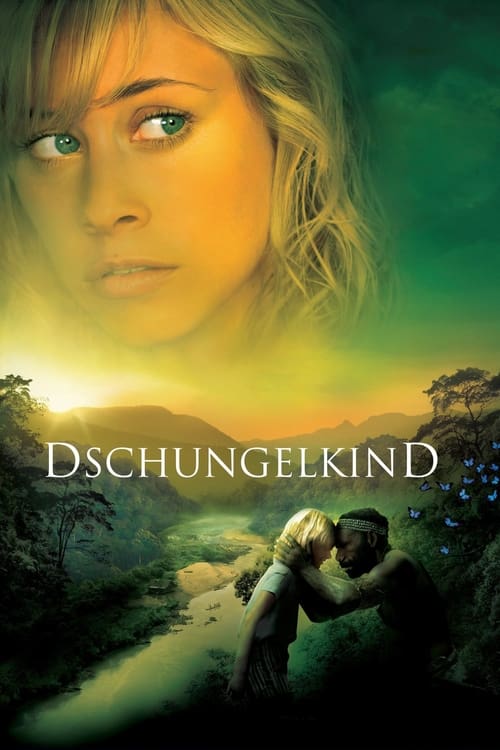
Jungle Child
2011
No user ratings available yet
Diversity score: 3.4 out of 10

2012
Director
Prabhu Solomon
Runtime
148 minutes
Average Rating
No ratings yetSynopsis
The story revolves around a mahout and his trained elephant.
Overall Score
Fair
Category Breakdown
LGBTQ+ Representation
The film lacks LGBTQ+ characters or narratives. Romantic subplots follow established regional tropes, focusing exclusively on heteronormative pairings.
Gender Representation
Female characters primarily occupy secondary or supportive roles within domestic and romantic spheres. The narrative adheres to traditional gender roles and hierarchies typical of rural adventure dramas.
Racial & Ethnic Diversity
The film provides authentic regional representation by centering a South Indian cast. It prioritizes local agency and indigenous knowledge regarding wildlife and conservation.
Religious & Cultural Diversity
The story focuses on the spiritual bond between humans and animals rather than religious morality. It depicts the pragmatic tensions between villagers and forest authorities.
Disability Representation
There are no prominent depictions of physical or neurodivergent disabilities. No characters utilize disability as a central trait or plot device.
Strengths
Areas for Improvement
AI Analysis
Kumki succeeds as a naturalist drama that centers non-Western perspectives and regional authenticity. By focusing on the specific socioeconomic realities of rural Tamil Nadu, the film provides a robust depiction of local agency in wildlife conservation. However, the film operates within very traditional narrative frameworks. It relies on established gender hierarchies and heteronormative romantic structures, offering little subversion of social norms. While the film excels in ethnic and cultural specificity, its lack of diversity regarding gender roles and LGBTQ+ identities keeps the overall score moderate.
2011
1999

2020

2015
2015

2012
2011
1997

1951
2012
1937

2018
No reviews yet. Be the first to share your thoughts on this movie!
Use the rating form above to leave a star rating and optional review.