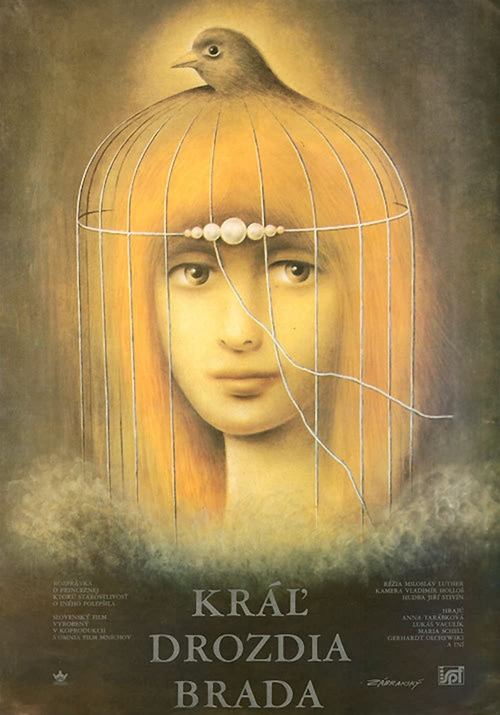
King Thrushbeard
1984
No user ratings available yet
Representation score: 1.4 out of 10
Representation Score
Minimal
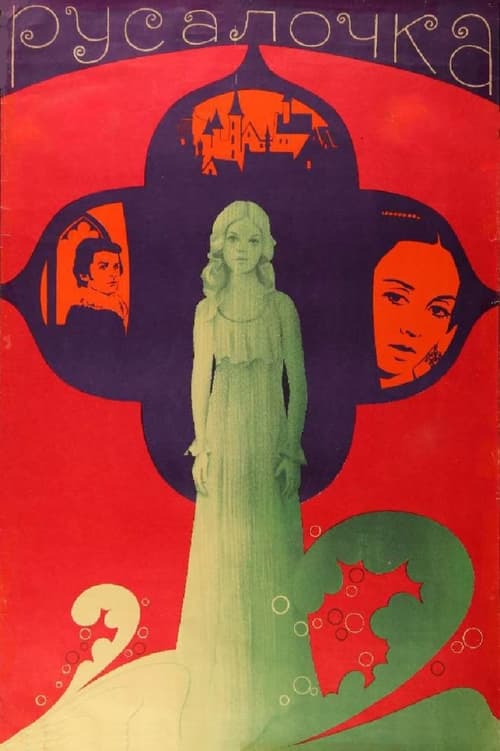
1976
GDirector
Vladimir Bychkov
Runtime
77 minutes
Average Rating
No ratings yetNew Showbiz Analysis
The film is a traditionalist narrative that reinforces classical storytelling archetypes. It adheres closely to the source material, focusing on individual emotional trials rather than disrupting conventional social or gender hierarchies. By centering the plot on a mermaid's sacrifice for a prince, the film maintains a standard romantic fantasy structure. It lacks the intentionality needed to challenge traditional social hierarchies. Ultimately, the production reflects the era's emphasis on lyrical, moralistic storytelling. It operates within the constraints of a traditional European fairy tale framework.
Category Breakdown
The story focuses on a romantic relationship between a mermaid and a prince, which aligns with the assumption that everyone is straight or cisgender. There is no critique of the assumption that everyone is straight or cisgender or non-assuming gender matches what was assigned at birth identities.
The film uses traditional gender roles. The female protagonist is defined by her suffering and devotion to a male figure, reinforcing conventional romantic hierarchies.
Based on a European fairy tale, the characters in the film reflect a homogeneous, non-diverse aesthetic. There is no evidence of racial blending or diverse casting.
The film functions as a classic moral fable about love and consequences. It leans into traditional morality and the heroic sacrifice cliché without prioritizing secularist critiques.
The protagonist's physical pain serves as a narrative device to illustrate the cost of her desires. This uses suffering as a metaphor for devotion rather than portraying disability with real control over their lives.
Present on Screen
Limited or Absent
Official Synopsis
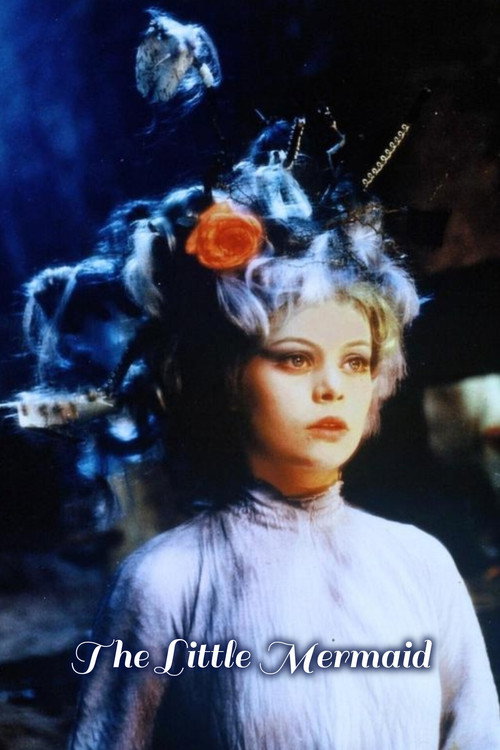
A little Mermaid falls in love with a Prince whom she saves during a storm. Using all kinds of magical incantations in exchange for the Mermaid’s beautiful blue hair, a witch replaces her fish tail with human legs, making it possible for the Mermaid to walk and live on earth at the cost of great pain with every step she takes. The Little Mermaid willingly suffers through these trials only to be near her beloved. But the Prince, not realizing how lucky he is, becomes enamored with a beautiful but vain princess.
1984
1970
1976
1997
1992
1994
1947
1950
No reviews yet. Be the first to share your thoughts on this movie!
Use the rating form above to leave a star rating and optional review.