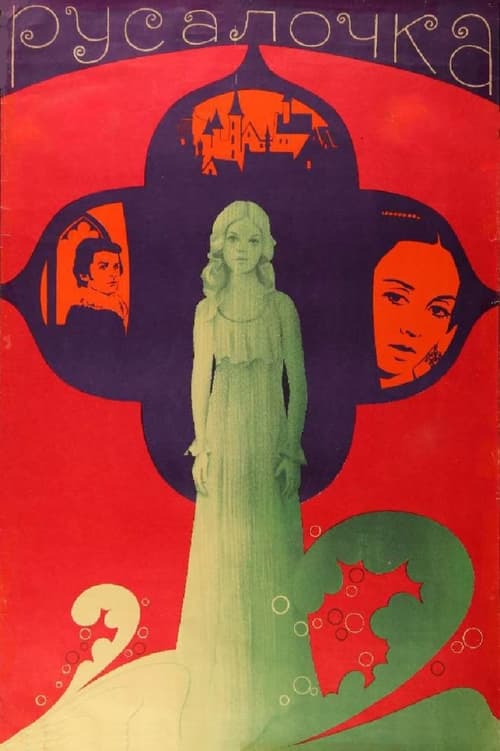
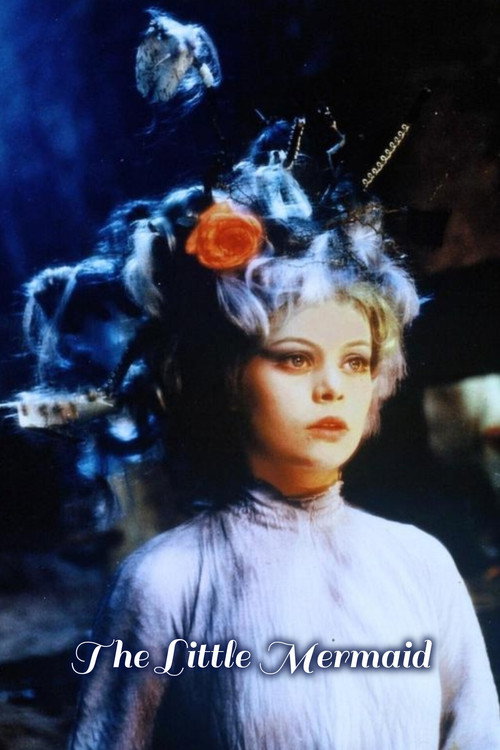
The Little Mermaid
1976
No user ratings available yet
Representation score: 1.6 out of 10
Representation Score
Good
1976
Director
Karel Kachyňa
Runtime
84 minutes
Average Rating
No ratings yetNew Showbiz Analysis
Karel Kachyňa’s adaptation reimagines the fairy tale genre through a surreal, psychological perspective. By focusing on the mermaid's inner conflict and the existential impact of her transformation, the film moves away from traditional, moralistic storytelling. However, the film lacks broad demographic representation. The cast is predominantly white, and the narrative uses physical loss as a plot device rather than exploring disability with depth. While it challenges gender stereotypes, it remains limited in its portrayal of diverse identities. Overall, the film is a contemplation on existence. It replaces conventional romance with a complex, non-prescriptive exploration of identity, even if it doesn’t offer significant racial or LGBTQ visibility.
Category Breakdown
The film focuses on a strong romantic longing between the mermaid and the prince. Although it doesn't explicitly include non-straight relationships, it offers a subtle shift from typical romantic narratives through its exploration of desire.
The story disrupts traditional gender roles by emphasizing the female protagonist's internal journey and psychological independence. It highlights her subjective experience and mental autonomy rather than depicting her as a passive character.
The film features a predominantly white cast, which aligns with its Czechoslovak New Wave roots. There is no indication of color-blind casting or intentional racial diversity within this European folklore context.
The movie takes a postmodern approach to spirituality, focusing on abstract concepts like the soul. It prioritizes personal, dream-like insights over specific religious doctrines or traditional Western morals.
The mermaid's physical changes serve mainly as a metaphor for lost identity and communication issues. Her physical state is used more as a plot device than a detailed depiction of disability.
Present on Screen
Limited or Absent
Official Synopsis
The little mermaid rescues a prince from drowning and falls in love with him. To be with him, she makes a deal with the evil sorceress: her beautiful voice against a life on land.
1976

1946
1964
1926

2014
2003
2016
1991
No reviews yet. Be the first to share your thoughts on this movie!
Use the rating form above to leave a star rating and optional review.