
Cinderella
1922
No user ratings available yet
Representation score: 0.4 out of 10
Representation Score
Minimal
1947
GDirector
Mikhail Shapiro, Nadezhda Kosheverova
Runtime
82 minutes
Average Rating
No ratings yetNew Showbiz Analysis
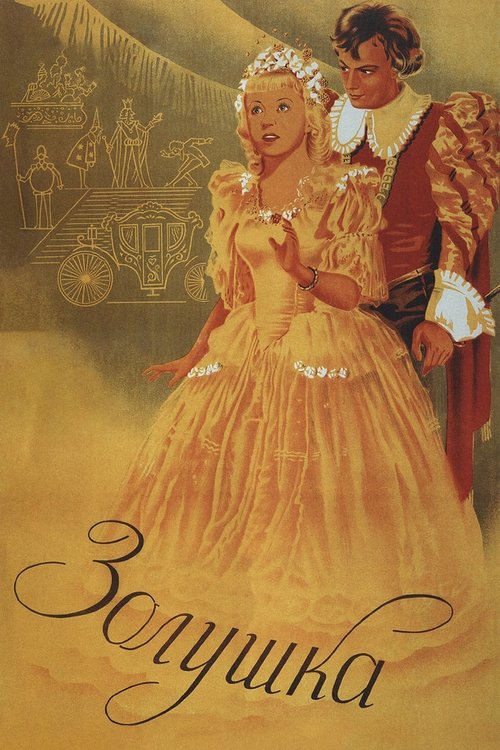
This 1947 adaptation serves as a traditional folk allegory rather than a modern social critique. It relies heavily on well-established mid-century storytelling conventions, emphasizing class distinctions and moralistic themes. The narrative structure is deeply conventional, centered on traditional romance and social mobility facilitated by a male lead. While it touches on labor exploitation, it does so through a fable lens that ultimately supports existing social hierarchies. Representation is limited by the era's filmmaking standards. The film prioritizes a singular moral framework and traditional gender roles over diverse or challenging perspectives.
Category Breakdown
The film adheres to traditional assumptions about straight relationships, focusing solely on the romantic pursuit between the Prince and Cinderella, which reinforces conventional courtship patterns.
Cinderella transitions from being a servant to having a significant role in the story through magic and romance. However, the film relies on gender stereotypes like the evil stepmother and a male lead who helps the heroine gain social status.
The story is set in a localized, folklore-inspired environment. There is no indication of a diverse cast or any challenge to the region’s ethnic norms.
The story follows a traditional moral storyline of good versus evil. While it highlights the exploitation of labor, it maintains social hierarchies by resolving conflicts through royal marriage.
A husband-forester with a limp is mentioned, but his physical impairment seems to be just a minor character detail. There is no evidence of characters with disabilities being shown with real influence or control over their lives.
Present on Screen
Limited or Absent
Official Synopsis
In the fairy kingdom live stepmother, her evil daughters — Anna and Maryana, a limp husband-forester and his daughter from his first marriage — Cinderella. The stepmother exploits the poor girl as a housekeeper. With the help of her godmother-fairy, Cinderella gets to the royal ball, where a beautiful and very kind prince falls in love with her. At midnight, the magic ends, and poor Cinderella has to return to her former life. But on the crystal shoe that Cinderella lost while fleeing the palace to the battle of the palace chimes, the prince searches for the bride.
1922
1997
2000
1965
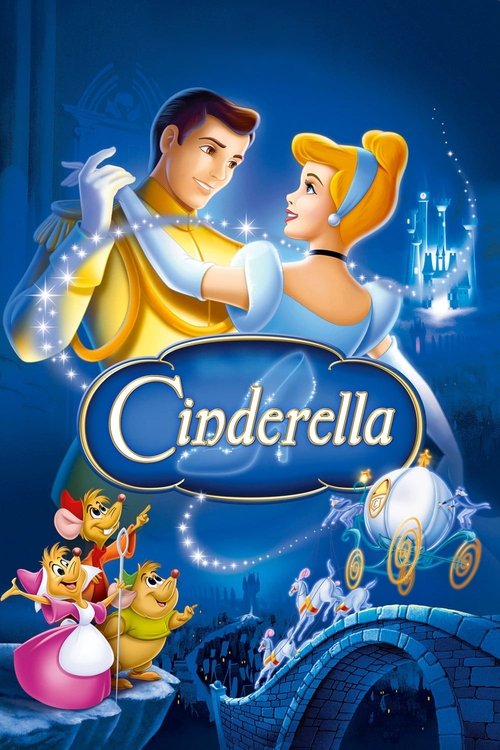
1950
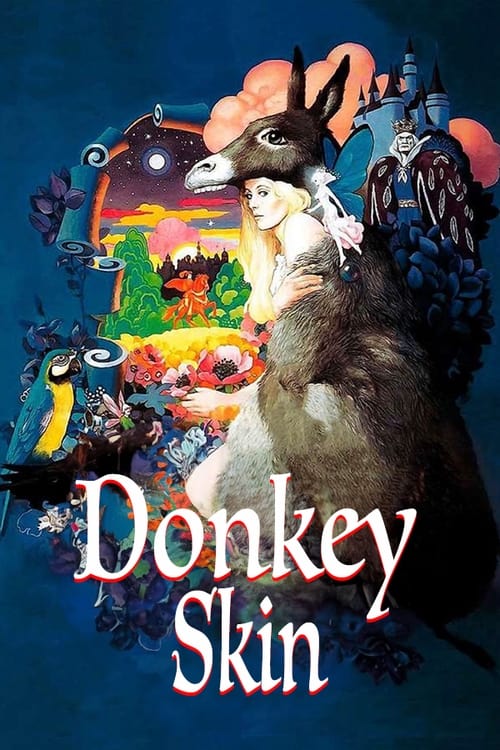
1970
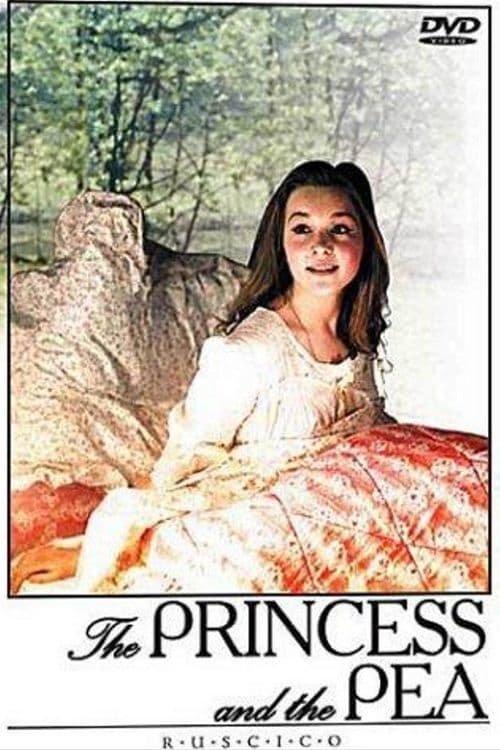
1976
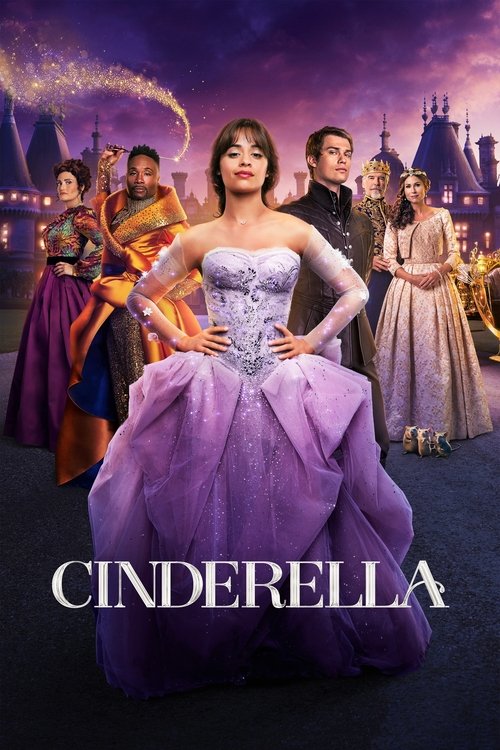
2021
No reviews yet. Be the first to share your thoughts on this movie!
Use the rating form above to leave a star rating and optional review.