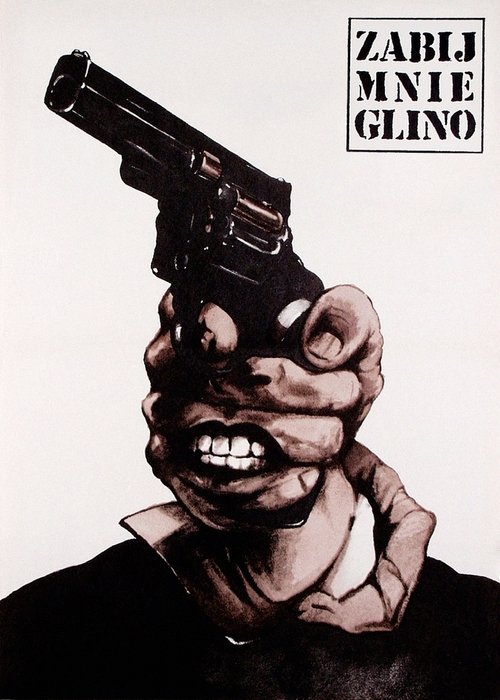
Kill Me, Cop
1988
No user ratings available yet
Representation score: 2.3 out of 10
Representation Score
Limited
2015
Director
Jacek Bromski
Runtime
117 minutes
Average Rating
No ratings yetNew Showbiz Analysis
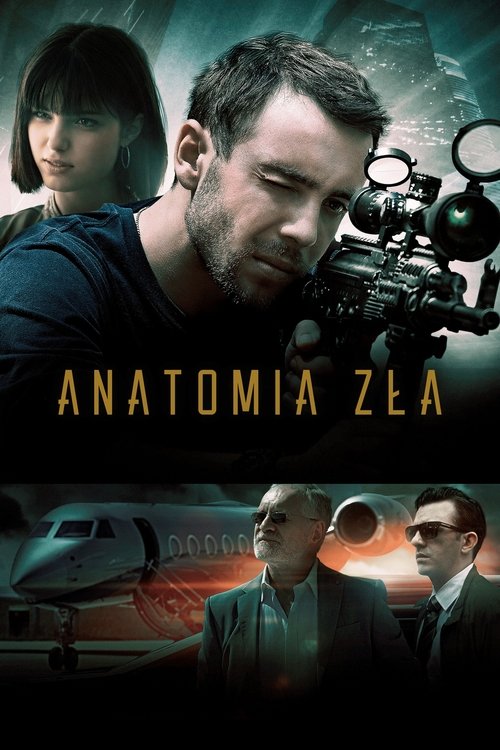
Anatomy of Evil is a traditional noir thriller that prioritizes genre conventions over diverse representation. The narrative centers on a protagonist's struggle against systemic corruption, limiting characters who reflect more than one aspect of diversity. The film explores moral relativism and the cyclical nature of crime through a masculine lens, while critiquing institutional integrity. However, it adheres to established, homogeneous clichés.
Category Breakdown
The main plot focuses on a male hitman and investigative authorities, with no visible presence of LGBTQ+ identities.
The story emphasizes male characters involved in violence and institutional power struggles, reinforcing traditional gender roles.
The setting suggests a localized, homogeneous Polish context without explicit multi-ethnic indicators.
The film critiques institutional integrity and state authority, exploring the conflict between an individual and a corrupt system.
The story does not include any characters with physical or neurodivergent disabilities.
Present on Screen
Limited or Absent
Official Synopsis
Lulek, a hit man, is released from prison and given an offer he can't refuse by the man who put him away. If he kills the chief of the Central Bureau of Investigations, he will earn a huge sum of money and have his record cleared so he can leave.
1988
2014

2018

2012

2014
2014

1995

2025
No reviews yet. Be the first to share your thoughts on this movie!
Use the rating form above to leave a star rating and optional review.