Journal of a Contract Killer
2008
No user ratings available yet
Representation score: 4.7 out of 10
Representation Score
Fair
1995
RDirector
Shūji Kataoka
Runtime
75 minutes
Average Rating
No ratings yetNew Showbiz Analysis
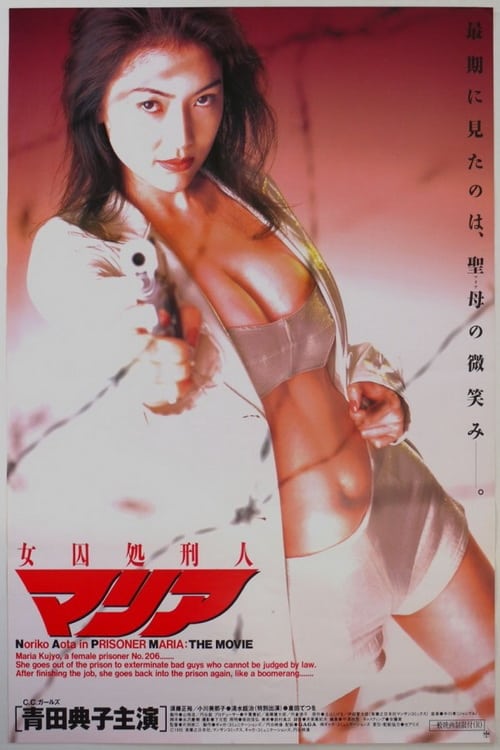
Prisoner Maria emerges as a complex protagonist who challenges the traditional nurturing female archetype. By portraying a mother as a state-coerced assassin, the film delves into the intersection of maternal instincts and systemic criminality. While the film offers a pointed critique of corrupt institutions, it remains rooted in traditional familial and gendered norms. Despite this, the narrative successfully empowers Maria with significant physical and moral decision-making, while operating within the cultural and casting conventions typical of mid-90s regional cinema.
Category Breakdown
The story focuses on a conflict between Maria's husband and son, which aligns with traditional family structures. There is no indication of non-straight or non-cisgender identities or critiques of the assumption that everyone is straight or cisgender.
Maria challenges passive female stereotypes by actively engaging in violence. The film questions domestic clichés by intertwining motherhood with state-sanctioned lethal actions and survival.
Produced in Japan in 1995, the film adheres to the ethnic standards of its time. It does not include multi-ethnic casting or subversive representation.
The film critiques institutional power through a framework of systemic corruption. Maria’s struggle highlights a justice system that prioritizes situational ethics over moral absolutes.
The story does not involve characters dealing with physical, sensory, or neurodivergent disabilities.
Present on Screen
Limited or Absent
Official Synopsis
Convicted of killing the drug dealer who murdered her husband, Maria is blackmailed into serving as a covert assassin. She must do the government's bidding if she is ever to regain her freedom, or her son. With each completed mission, her sentenced is further re- duced. Yet, with every job she feels further away from her goal of a peaceful life.
2008
1972
1998

1974

1974
1993
1996

1995
No reviews yet. Be the first to share your thoughts on this movie!
Use the rating form above to leave a star rating and optional review.