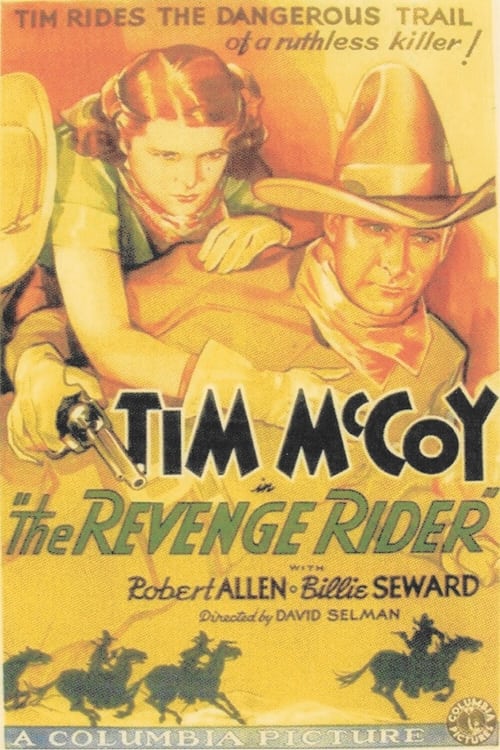
The Revenge Rider
1935
No user ratings available yet
Representation score: 0.5 out of 10

Representation Score
Minimal
1934
PassedDirector
Jack Conway
Runtime
115 minutes
Average Rating
No ratings yetNew Showbiz Analysis
Viva Villa! operates as a traditional MGM studio production, emphasizing high-gloss entertainment and conventional storytelling. It adheres to the social constraints and cinematic norms of 1934, resulting in a narrative that lacks multi-layered complexity. The film’s strength lies in its exploration of systemic instability and anti-authoritarianism. However, this is offset by a Western-centric framework that interprets a foreign revolution through a Hollywood lens. Ultimately, the production relies on established clichés of romantic subplots and masculine leadership, failing to challenge the era's standard gender and racial hierarchies.
Category Breakdown
The film does not include any identifiable LGBTQ+ characters or narratives. Romantic elements are confined to a heterosexual relationship between the protagonist and the female lead.
Gender roles adhere to traditional 1930s hierarchies. Although Nell is a key figure, her role is defined by her relationship with Villa, who embodies masculine leadership through physical dominance.
The film presents a filtered perspective of Mexico by casting a white American actress in a prominent role. Despite the Mexican setting, the narrative lens remains distinctly Western.
The story examines political upheaval and the breakdown of authority through the lens of the Mexican Revolution. It focuses on the volatility of institutional power during a time of political change.
There is no representation of physical, sensory, or neurodivergent disabilities within the narrative.
Present on Screen
Limited or Absent
Official Synopsis
In this fictionalized biography, young Pancho Villa takes to the hills after killing an overseer in revenge for his father's death.
1935

1939
1932

1930

1931
1958

1939

1939
No reviews yet. Be the first to share your thoughts on this movie!
Use the rating form above to leave a star rating and optional review.