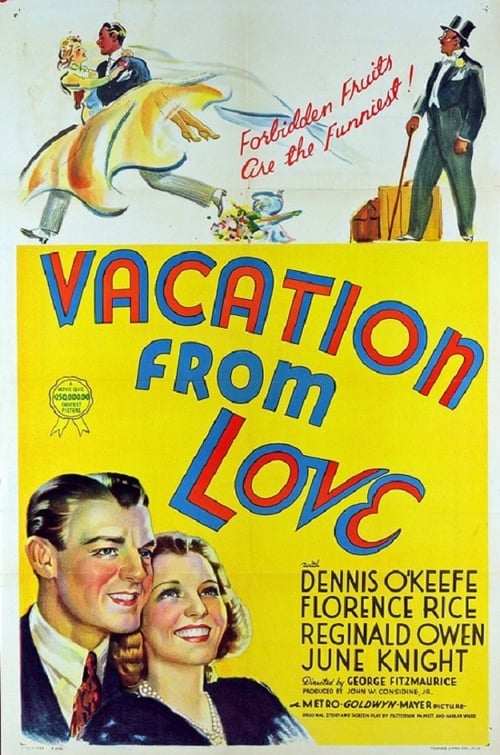
Vacation from Love
1938
No user ratings available yet
Representation score: 1.8 out of 10
Representation Score
Minimal
1931
PassedDirector
William Dieterle
Runtime
75 minutes
Average Rating
No ratings yetNew Showbiz Analysis
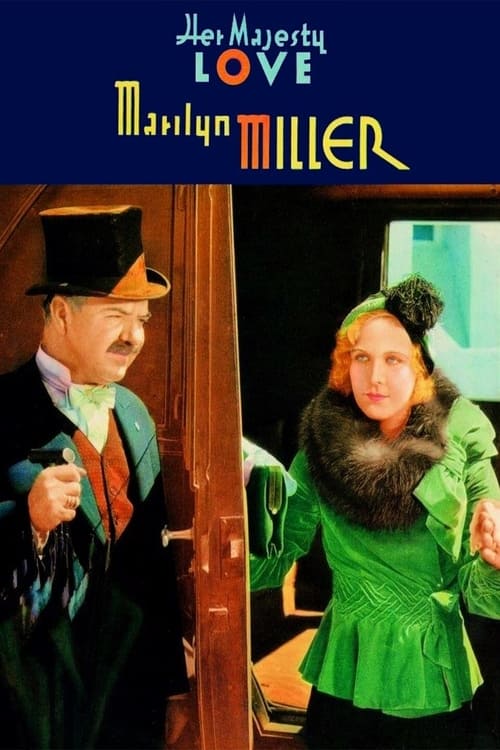
The film opens with the clash between a cabaret bartender and an industrialist’s heir, selling a romantic comedy where class prejudice is the obstacle to be overcome. The sold meaning is that love transcends status, but the internal logic reveals a stricter hierarchy: the aristocratic family’s disapproval is not merely a plot device but a reflection of a world where social standing is non-negotiable. W.C. Fields anchors the comedy as the bumbling father, his incompetence treated as charming rather than a critique of neglect, while the camera lingers on Marilyn Miller’s face, positioning her as the virtuous prize to be won. The argument pulls apart when the resolution arrives. Lia is not accepted for her character or her father’s quirks, but because she acquires a noble title through a hasty marriage to a Baron. This ending reinforces the very class structure the romance seemed to challenge; the system does not bend, it simply updates its ledger. The last image, with the couple dancing, suggests a happy union, but the moral verdict is conservative: chaos is acceptable only when it is contained within the proper social framework. The film treats the aristocratic world as the default, rewarding those who can navigate its rules rather than dismantling them. It is a period piece that values heritage and status, using the romantic arc to smooth over the rigid hierarchies that define its characters.
Category Breakdown
Absent. The narrative follows a strictly heterosexual courtship between Lia and Fred, with no same-sex intimacy or non-heteronormative identity depicted.
Limited. Lia serves as the moral center, but her status is contingent on male approval; she is rescued by a title rather than earning independent power. The father is the comic punchline, yet the romantic resolution prioritizes the couple over his neglect.
Absent. The cast is entirely white, depicting a European aristocratic and working-class dynamic without non-white characters or racial commentary.
Contested. Class hierarchy is the primary conflict, with the aristocratic family treating working-class origins as a scandal. The ending validates the status quo: Lia is accepted only after acquiring a noble title, reinforcing wealth as the key to social legitimacy.
Absent. No characters display physical, sensory, or cognitive impairments; the father’s drunkenness is framed as eccentricity rather than a disability.
Present on Screen
Limited or Absent
Official Synopsis
The wealthy von Wellingens are shocked when the father of their son Fred's fiancée Lia juggles desserts at a formal dinner. They encourage Fred to break the engagement. Lia goes to Berlin to marry a Baron von Schwarzdorf, and Fred goes to stop the marriage.
1938

1938
1933
1955

1918

1938
1931

1934
No reviews yet. Be the first to share your thoughts on this movie!
Use the rating form above to leave a star rating and optional review.