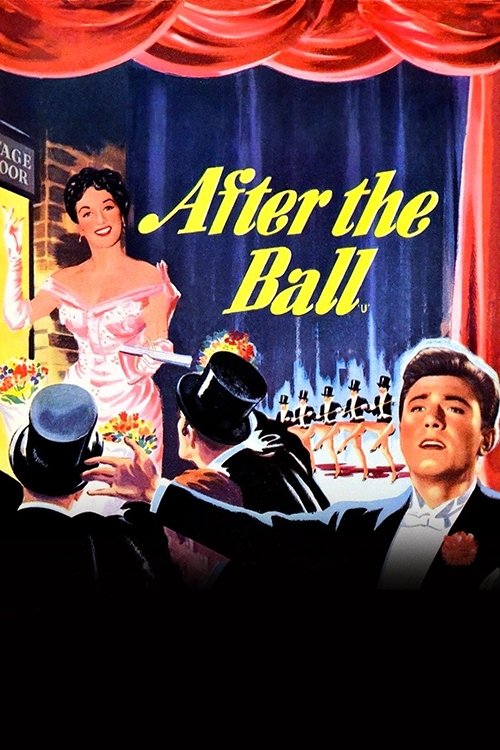
After the Ball
1957
No user ratings available yet
Representation score: 2.3 out of 10

Representation Score
Fair
2007
Director
James Hawes
Runtime
80 minutes
Average Rating
No ratings yetNew Showbiz Analysis
The film focuses on Marie Lloyd, emphasizing her independence and professional success. It effectively challenges traditional gender roles by presenting a woman who thrives through professional dominance and personal freedom. However, the film's historical context limits its racial and ethnic diversity. Additionally, it lacks explicit LGBTQ+ representation, adhering to the era's social norms. Overall, the film offers a compelling look at individual resilience against societal pressures, despite its narrow demographic scope.
Category Breakdown
The film highlights the social constraints of the music hall era. Though it doesn't explicitly depict same-sex relationships, the period setting hints at a more nuanced understanding of non-traditional gender identities.
The movie centers on a strong female lead who dominates professionally. Her bold songs and independent lifestyle challenge the traditional roles expected of women during the Victorian and Edwardian eras.
The production reflects the predominantly white demographics of the British music hall era. There is no indication of significant ethnic diversity within the main storyline.
The story questions early 20th-century moral standards by showcasing unconventional lifestyles. It delves into subjective morality through themes of illegitimacy and social non-conformity.
There is no evident portrayal of physical or cognitive disabilities in this biographical drama.
Present on Screen
Limited or Absent
Official Synopsis
Witness the life and loves of Marie Lloyd, the music hall legend known for her bawdy songs and outrageous lifestyle, which included three marriages and an illegitimate child.
1957

2015

2017

1942

1994

1968

2009

2004
No reviews yet. Be the first to share your thoughts on this movie!
Use the rating form above to leave a star rating and optional review.