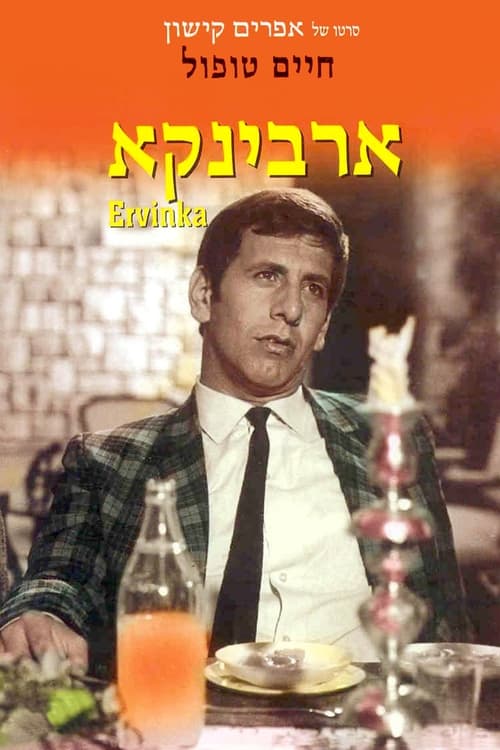
Ervinka
1967
No user ratings available yet
Diversity score: 4.2 out of 10
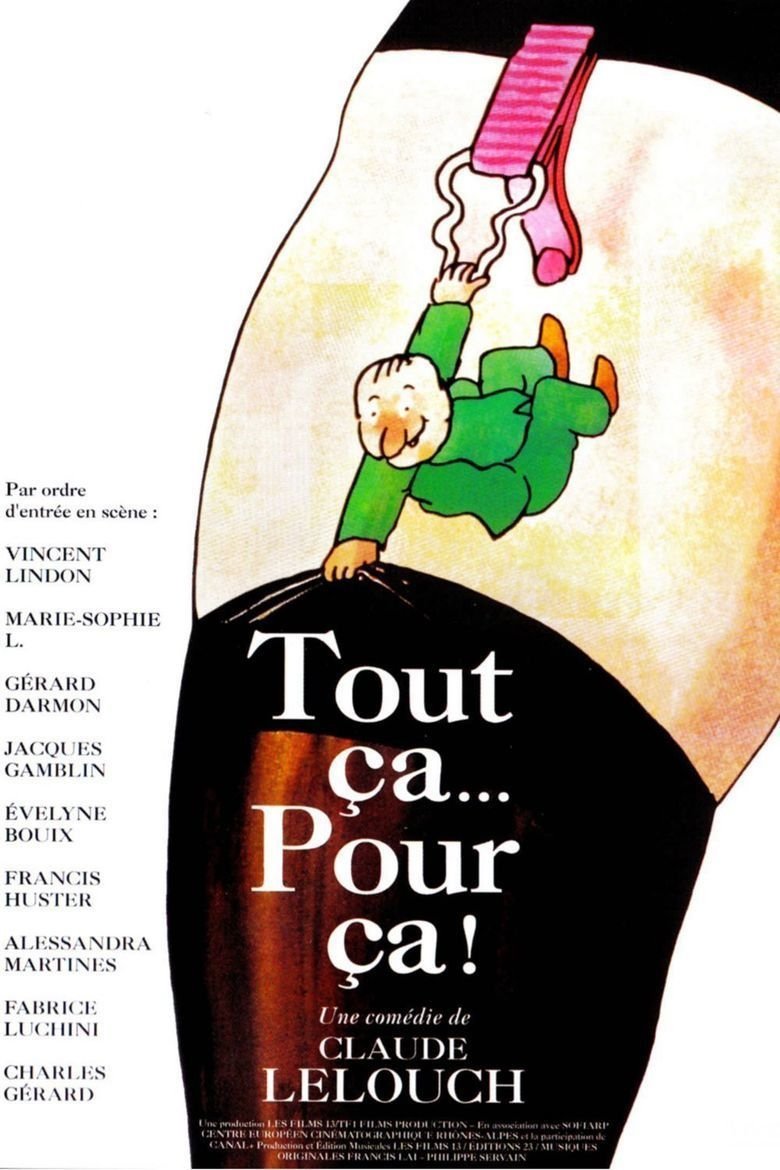
1993
PG-13Director
Claude Lelouch
Runtime
116 minutes
Average Rating
No ratings yetSynopsis
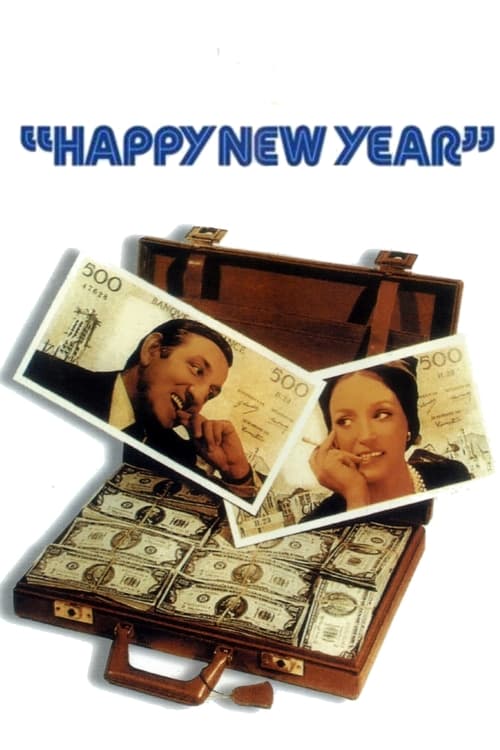
The plot is about a trial against three men who tried to earn loads of money by illegal methods to get to Canada and about the lawyers and the judge who get on with the trial and who are being unfaithful to their couples.
Overall Score
Fair
Category Breakdown
LGBTQ+ Representation
The film explores relational instability and infidelity, yet lacks explicit queer visibility. There is no evidence of non-cisnormative gender expressions or LGBTQ+ identities within the narrative.
Gender Representation
Women occupy high-stakes roles as lawyers and judges, asserting agency within the judicial power structure. This placement disrupts domestic tropes, though specific power dynamics remain nuanced.
Racial & Ethnic Diversity
The story centers on a localized French legal milieu, suggesting a homogeneous cast. There is no evidence of significant racial blending or diverse ethnic representation.
Religious & Cultural Diversity
The narrative challenges the sanctity of the legal system and the nuclear family. It favors moral relativism and situational ethics over traditional social institutions.
Disability Representation
The film contains no mention of characters with visible or invisible disabilities.
Strengths
Areas for Improvement
AI Analysis
Claude Lelouch’s comedy focuses on the moral ambiguity of legal professionals and criminals. The film succeeds in deconstructing social institutions by highlighting the fallibility of judges and lawyers through their personal infidelities. However, the film lacks demographic breadth. It remains rooted in a localized French context with limited racial and LGBTQ+ visibility, reflecting the era's cinematic norms. Ultimately, the work is a character study of human error rather than a diverse ensemble piece, prioritizing ethical gray areas over broad representation.
1967

1979
1975
1968
1984
1972

1975

2002
1973
No reviews yet. Be the first to share your thoughts on this movie!
Use the rating form above to leave a star rating and optional review.