
Red Hot
1993
No user ratings available yet
Representation score: 6.0 out of 10
Representation Score
Limited
2009
Director
Vladimir Vinogradov
Average Rating
No ratings yetNew Showbiz Analysis
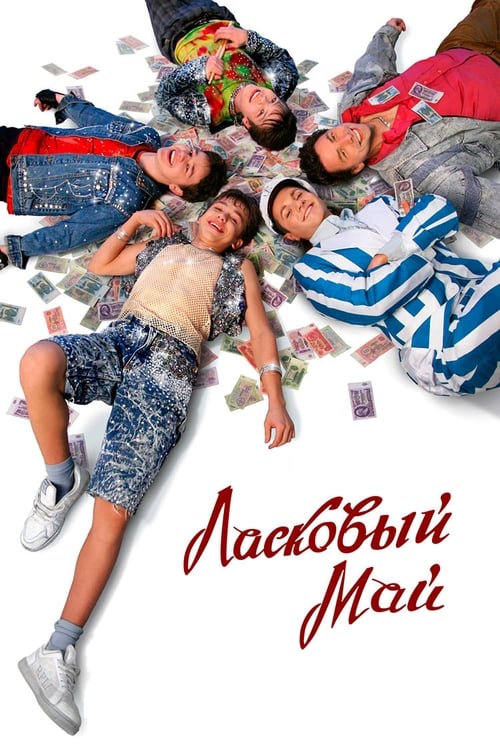
Tender May is a historical drama focusing on the interplay between pop culture and political maneuvering during the Soviet perestroika. The narrative centers on the rise of Andrei Razin and the exploitation of political connections, rather than broad representation. While the film provides a detailed examination of the erosion of traditional Soviet authority and systemic corruption, it remains limited in its character demographics. The focus is on male-driven ascent and the manipulation of power dynamics. Ultimately, the film serves as a study of systemic shifts rather than a diverse social tapestry, emphasizing historical political drama over broad representation.
Category Breakdown
The film does not include any explicit LGBTQ+ characters or stories. Instead, it focuses on musical success and political connections rather than non-traditional gender identities.
Male figures such as Andrei Razin and political operatives play key roles in the story. Female fans are mentioned but do not have significant narrative influence.
The setting is within the 1985 Soviet Union, which is predominantly Slavic. There is no indication of diverse casting that includes non-Slavic ethnicities.
The film effectively shows how political opportunism undermines established order in Soviet institutions. It highlights the instability of authority during the perestroika era.
There are no visible or invisible disabilities mentioned in the character arcs or the main storyline.
Present on Screen
Limited or Absent
Official Synopsis
In 1985, perestroika began in the Soviet Union and the Laskovy May group appeared. At their concerts there were only full houses, from unrequited love for them, suicides were committed. The figure of Mikhail Gorbachev faded in the glory of the creator of "Tender May" - Andrei Razin. An accidental photo taken on the beach, where Andrei Razin, as a child, was captured with the Gorbachev family, turned his fate upside down. It was with the help of this photograph that he became Gorbachev's nephew. He did not say this directly - just hinted, and he was instantly believed. Functionaries of all ranks acted without delay: the doors of television and radio opened before him, the Soviet stage lay at his feet. Razin traveled to all the orphanages of the Soviet Union in search of gifted children for his twin groups.
1993

2018
1990
1961

2020
2014

1994
1998
No reviews yet. Be the first to share your thoughts on this movie!
Use the rating form above to leave a star rating and optional review.