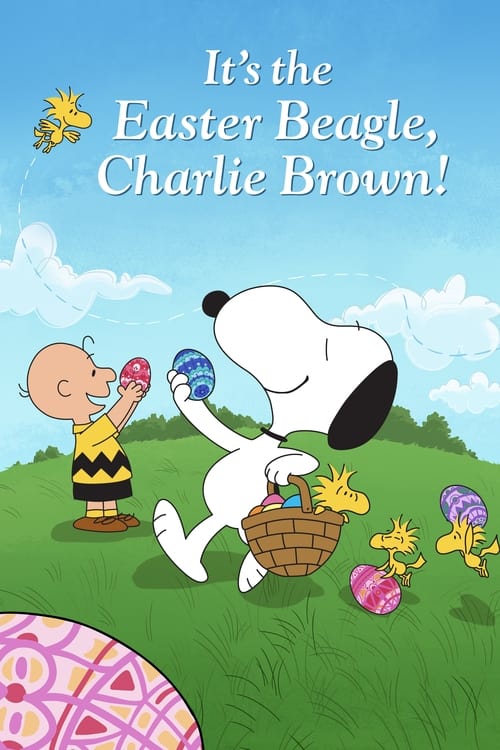
It's the Easter Beagle, Charlie Brown
1974
No user ratings available yet
Representation score: 2.6 out of 10
Representation Score
Limited
1996
Director
Sam Jaimes
Runtime
23 minutes
Average Rating
No ratings yetNew Showbiz Analysis
This production functions as a traditionalist narrative that prioritizes established character archetypes. It relies on a standard, episodic comedic structure typical of the Peanuts franchise during this era. The film does not appear to challenge existing social hierarchies or introduce complex, multi-layered identities. Instead, it focuses on the familiar, localized struggles of a youth baseball team. Overall, the work maintains a conventional approach to storytelling, favoring homogeneous social structures and traditional Western values over progressive thematic architecture.
Category Breakdown
The story focuses on athletic teamwork and seasonal transitions within a traditional youth sports framework. There is no visible evidence of non-straight relationships or critiques of the assumption that everyone is straight.
The narrative centers on a baseball team, a setting that reinforces traditional masculine archetypes of competition. The focus on team morale suggests a reliance on conventional gendered social structures.
The plot describes a localized, character-driven story centered on a specific group of children. It lacks indication of intentional efforts toward diverse casting or multi-ethnic representation.
The film adheres to traditional Western storytelling motifs like teamwork and meritocratic values. It does not attempt to deconstruct Western institutions or offer alternative cultural perspectives.
The narrative does not mention characters with visible or invisible disabilities. No neurodivergence or physical disability is integrated into the character arcs or the plot.
Present on Screen
Limited or Absent
Official Synopsis
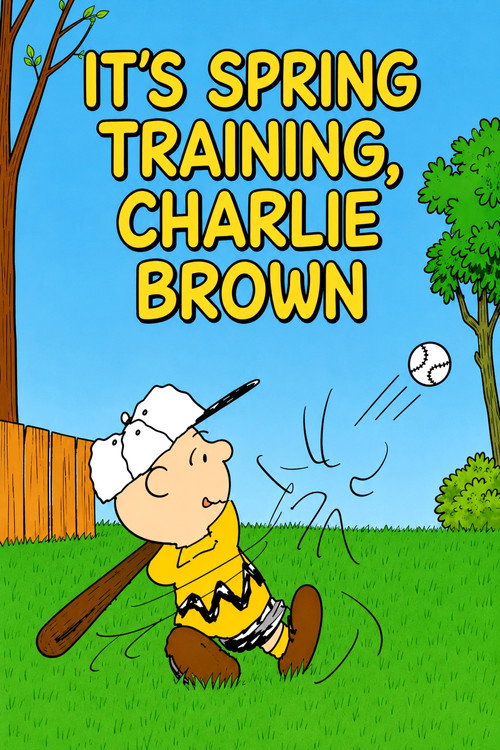
As springtime rolls around, Charlie Brown's team is performing the usual hopeless task of getting in shape for the new season. To improve the team's morale, Charlie Brown manages to find a potential team sponsor who agrees to provide uniforms, provided that the team wins the first game of the season. However, considering the usual competence of the team, including new members like Leland who is too young to even tie his shoes, the challenge seems impossible.
1974
1969
2003

1977
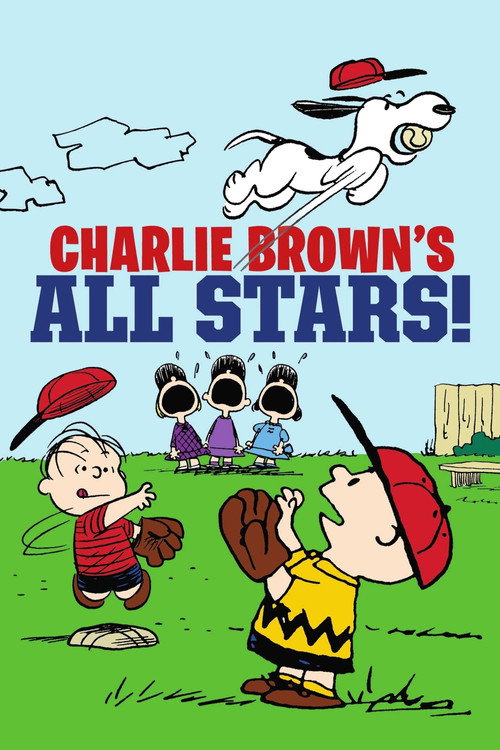
1966
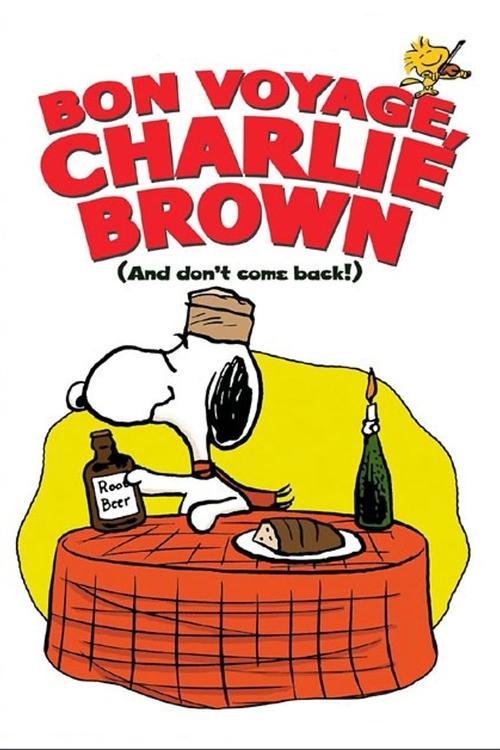
1980
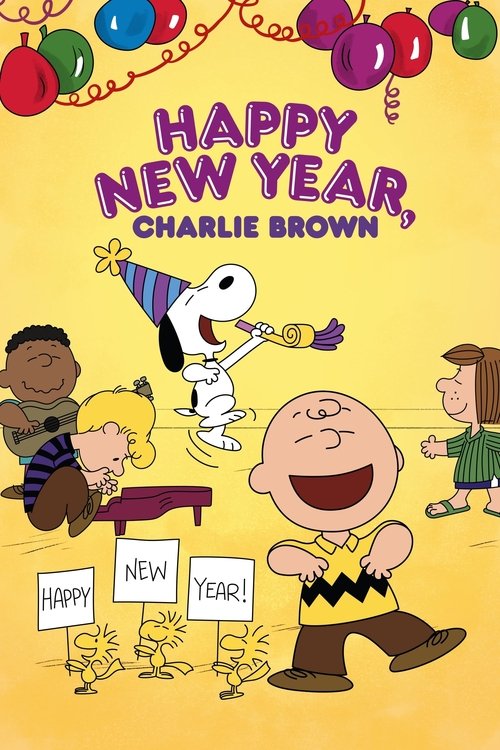
1986
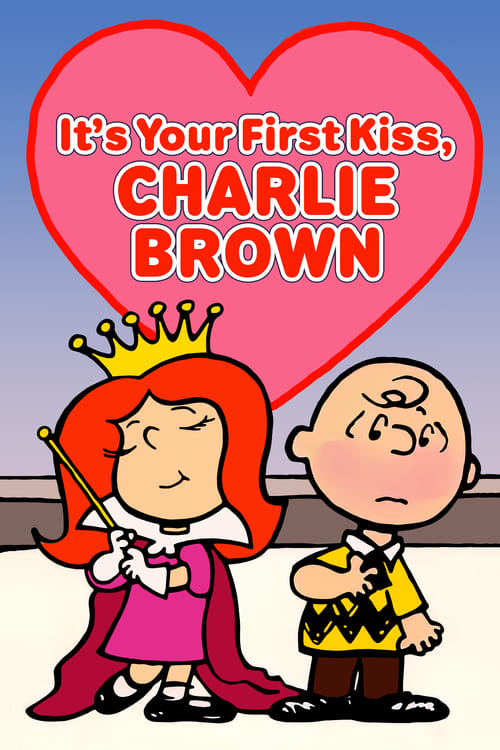
1977
No reviews yet. Be the first to share your thoughts on this movie!
Use the rating form above to leave a star rating and optional review.