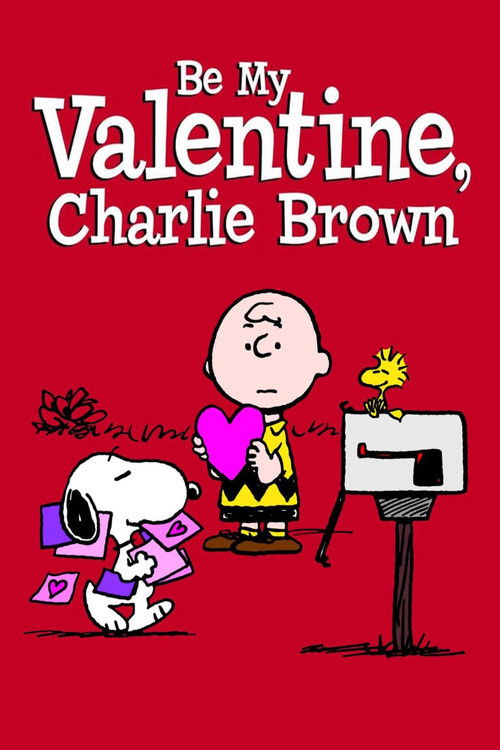
Be My Valentine, Charlie Brown
1975
No user ratings available yet
Representation score: 1.8 out of 10
Representation Score
Limited
1991
TV-GDirector
Sam Jaimes
Runtime
23 minutes
Average Rating
No ratings yetNew Showbiz Analysis
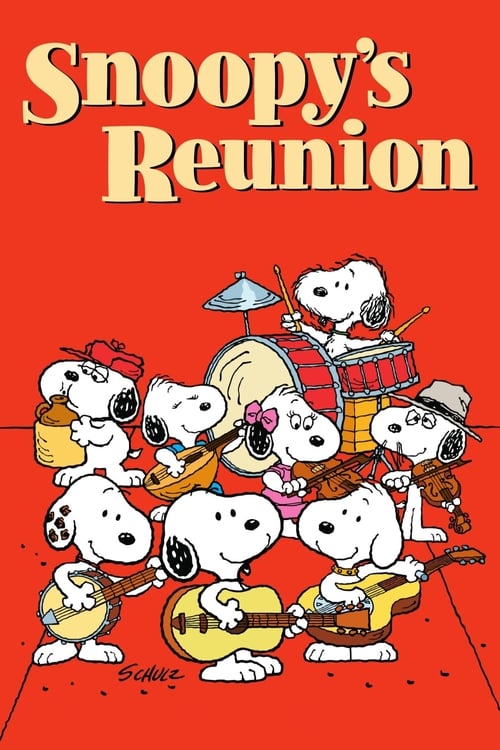
Snoopy's Reunion is a sentimental, character-driven special that prioritizes nostalgia and established bonds over social representation. The narrative follows traditional Peanuts archetypes, focusing on the emotional connection between Snoopy and his siblings. The film lacks meaningful diversity, functioning within a homogeneous framework that avoids identity politics. It leans into a conventional, family-friendly atmosphere that emphasizes the transition from rural to urban life rather than exploring diverse human experiences.
Category Breakdown
The story revolves around canine companionship and family reunions. There are no visible depictions of LGBTQ+ identities or relationships that challenge the assumption that everyone is straight.
Charlie Brown leads the emotional narrative by organizing the reunion. The characters largely inhabit traditional roles without challenging established gender hierarchies.
The narrative centers on anthropomorphic dogs navigating urban environments. The cast remains historically homogeneous with no evidence of diverse racial backgrounds.
The film explores nostalgia and the impact of urbanization on landscapes. It maintains a conventional, family-oriented tone without delving into radical social frameworks.
Snoopy experiences emotional distress, but there is no specific portrayal of physical or neurodivergent disabilities as central narrative drivers.
Present on Screen
Limited or Absent
Official Synopsis
Sensing that his canine companion is a bit down in the mouth, Charlie Brown organizes a Daisy Hill Puppy Farm reunion for Snoopy and his seven siblings in this animated special based on the Charles M. Schulz comic strip. While Charlie Brown is dismayed to see that the bucolic farm has disappeared in a sea of urban sprawl, Snoopy and gang are simply delighted to be in one another's company. Pulling out their instruments, they jam on the sidewalk.
1975

1977
2003
1972
1988
1977
1982
2003
No reviews yet. Be the first to share your thoughts on this movie!
Use the rating form above to leave a star rating and optional review.