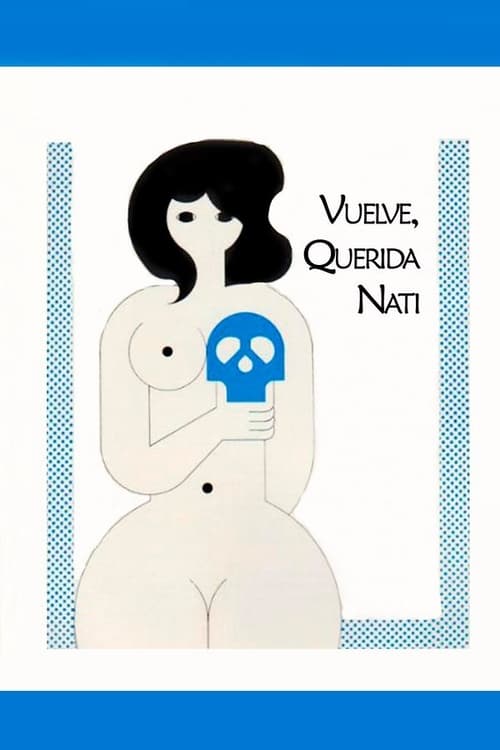
Vuelve, querida Nati
1976
No user ratings available yet
Diversity score: 4.0 out of 10

1960
Director
José María Forqué
Runtime
101 minutes
Average Rating
No ratings yetSynopsis
The life of Maribel, a disilluisoned prostitute working the Madrid of 1960, suddenly changes when a simple man that she meets by chance without knowing her profession, decides that she is the woman of her life and that he wants to marry her and to meet his odd family.
Overall Score
Fair
Category Breakdown
LGBTQ+ Representation
The film focuses on a heterosexual romantic pursuit. There is no evidence of LGBTQ+ characters or non-heteronormative identities within the narrative.
Gender Representation
Maribel provides a nuanced perspective by centering a woman with a complex, non-traditional profession. Her disillusionment challenges the era's submissive female tropes, even if the plot moves toward marriage.
Racial & Ethnic Diversity
Set in 1960s Madrid, the film appears ethnically homogeneous. There is no evidence of intersectional racial blending or diverse casting in this historical context.
Religious & Cultural Diversity
The story subverts traditional Catholic family ideals by placing a sex worker at the center of a domestic narrative. The 'strange' family suggests a critique of rigid social conformity.
Disability Representation
The film provides no information regarding the depiction of physical or neurodivergent characters.
Strengths
Areas for Improvement
AI Analysis
Maribel and the Strange Family uses a marginalized protagonist to probe the boundaries of 1960s social acceptability. By centering a sex worker, the film disrupts the era's typical depictions of pure or submissive women. While the film lacks modern intersectional diversity, it uses comedy to examine the friction between individual agency and rigid societal structures. The 'strangeness' of the family serves as a potential critique of the monolithic Spanish domestic unit. Ultimately, the film functions as a period piece that challenges moral authority through its unconventional lead, even while operating within the era's traditional romantic frameworks.
1976
1974
1959
1987
1967
2014

2006

1981
1964
1968
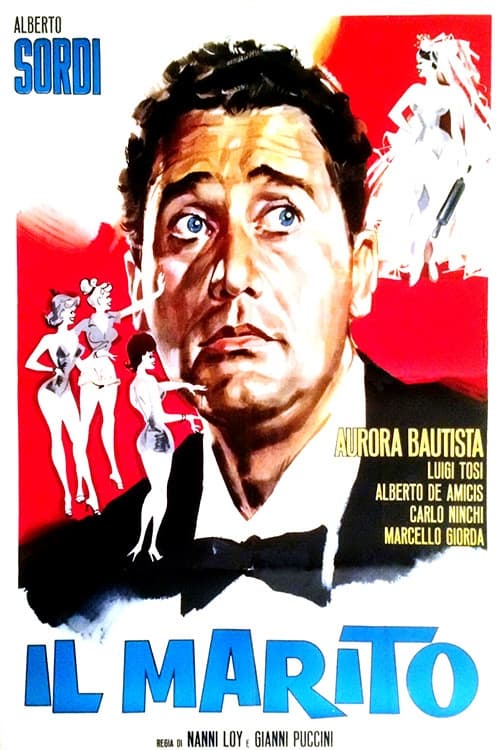
1958
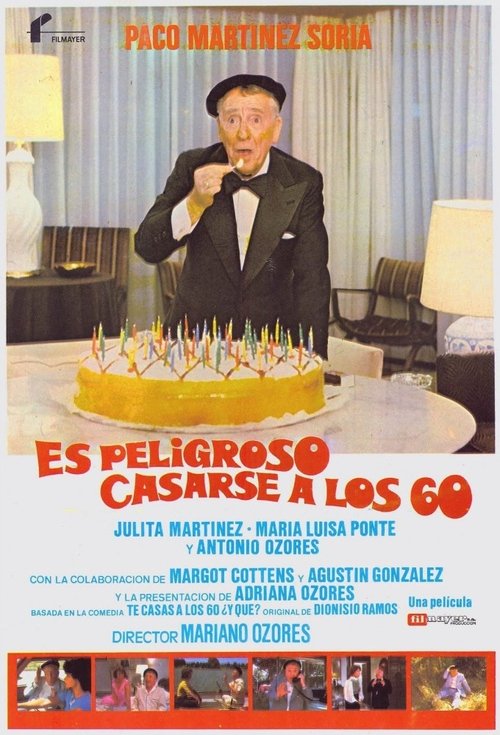
1981
No reviews yet. Be the first to share your thoughts on this movie!
Use the rating form above to leave a star rating and optional review.