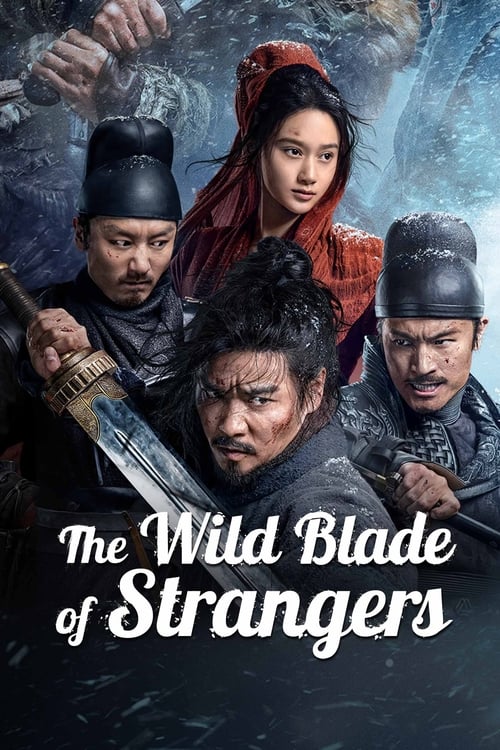
The Wild Blade of Strangers
2024
No user ratings available yet
Representation score: 3.4 out of 10

Representation Score
Fair
2017
TV-14Director
Zoe Qin
Runtime
62 minutes
Average Rating
No ratings yetNew Showbiz Analysis
The film offers a meaningful representation of historical Eastern narrative traditions, providing a departure from Western storytelling norms. Its focus on the internal politics of Tang Dynasty China highlights a specific cultural context. While the film lacks overt modern identity politics or explicit LGBTQ+ representation, it excels in presenting a culturally authentic narrative. However, the primary physical action and central roles remain predominantly male, and there is no representation of disabilities.
Category Breakdown
The film does not explicitly depict LGBTQ+ identities or same-sex relationships. Instead, it focuses on the interactions within the imperial Li family and martial arts circles.
The film features strong female characters like Princess Li Hua Wan who play key roles in the high-stakes political landscape. However, the primary physical action is driven by male characters.
Set during the Tang Dynasty, the film centers on the internal power struggles of the Wu and Li families, avoiding the Western perspective often seen in global action films.
The film explores the complexities of imperial authority and systemic instability during the Shenlong Era, depicting a world where institutional stability is constantly challenged by warring factions and sectarian interests.
There is no depiction of physical or neurodivergent disabilities within the narrative.
Present on Screen
Limited or Absent
Official Synopsis
A straightforward mission turns into much more for an expert martial artist. During the tumultuous time of the Shenlong Era of the Tang Dynasty, martial artist Xie Yun Liu is commanded by his master to escort Prince Li Chong Mao to the capital city of Chang’an. As Yun Liu and Chong Mao are traveling through the Fenghua Valley, they witness Crown Prince Li Chong Jun and Princess Li Hua Wan being attacked,and Yun Liu ends up reluctantly coming to the rescue. Hailed as their savior, Yun Liu is invited back to the imperial Li family’s mansion for a celebration, only to find himself in the thick of other assassination attempts by the warring Wu family. When Yun Liu is challenged to a deadly battle by Lu Wei Lou, the head of the Ming Sect, can he survive the predicament with his life?
2024
1967
2017

2015

1969
1979
2019
2011
No reviews yet. Be the first to share your thoughts on this movie!
Use the rating form above to leave a star rating and optional review.