Ip Man: The Final Fight
2013
No user ratings available yet
Representation score: 4.3 out of 10
Representation Score
Limited
2019
Director
Fu Liwei
Runtime
77 minutes
Average Rating
No ratings yetNew Showbiz Analysis
Ip Man and Four Kings operates as a traditional martial arts drama. While it successfully sets a culturally specific East Asian backdrop through its 1950s Hong Kong setting, the narrative structure adheres closely to conventional genre clichés. The film emphasizes physical mastery and masculine-driven ability to act. This focus results in a lack of engagement with diverse gender identities and LGBTQ+ representation. The story primarily functions as a localized struggle between a hero and a corrupt antagonist, providing cultural authenticity but not challenging broader social hierarchies or systemic identity politics.
Category Breakdown
The film does not include any explicit mentions of LGBTQ+ characters or non-binary gender identities. The main storyline revolves around martial arts rivalry and legal disputes.
The story centers on a male-dominated conflict involving martial artists and gym owners. It emphasizes traditional masculine hierarchies and physical strength.
Set in 1950s Hong Kong, the film highlights a non-Western, East Asian cultural setting. Characters reflect the demographics of the Kowloon Walled City era.
The film explores themes of justice and systemic corruption within a localized cultural context. It focuses on individual morality rather than broader societal norms.
There is no indication of characters with physical or neurodivergent disabilities in the film.
Present on Screen
Limited or Absent
Official Synopsis
In 1950, a large number of martial artists entered Hong Kong to open a boxing gym. Among them, Ye Wen (Tang Wenlong) did not lose a reputation, causing the attention of Zheng Delong (Lin Fengyi), the owner of the Kowloon Walled Village. Zheng Delong’s fear of threatening himself I will plant the case of Fang Fang’s death on Ye Wen, and I want to remove Ye Wen by the hand of the police. The mysterious man emerged and rescued Ye Wen. Ye Wen is a self-certified innocence with a disciple, Amin Aqiang, who broke into the boundary of the Kowloon Walled City. Who thought that the city had already ambushed countless masters in the city, and he asked whether he could successfully bring Zheng Delong to justice, and he was still innocent!
2013

2015
2020
1984
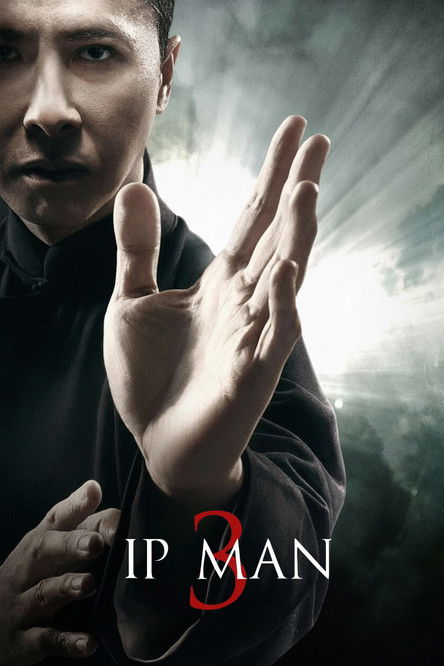
2015
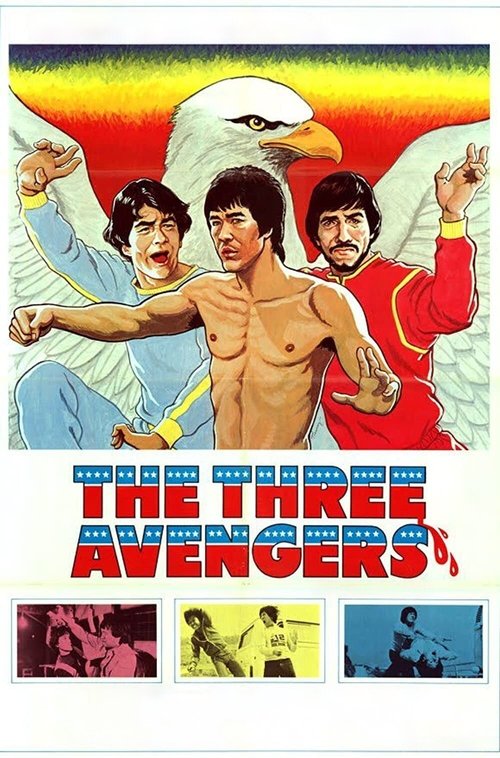
1979
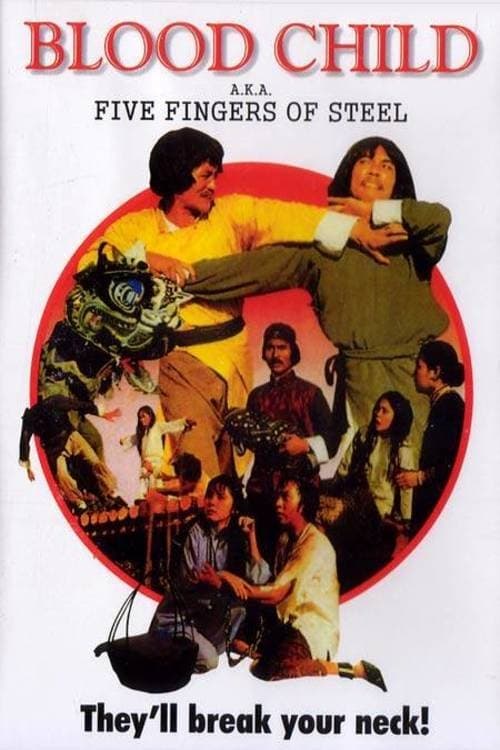
1982
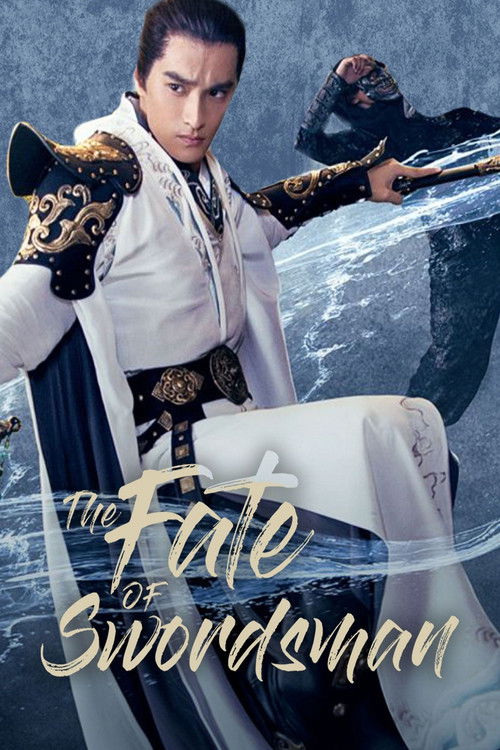
2017
No reviews yet. Be the first to share your thoughts on this movie!
Use the rating form above to leave a star rating and optional review.