
The Walker
2007
No user ratings available yet
Diversity score: 6.1 out of 10
1997
Director
Raymond De Felitta
Runtime
107 minutes
Average Rating
No ratings yetSynopsis
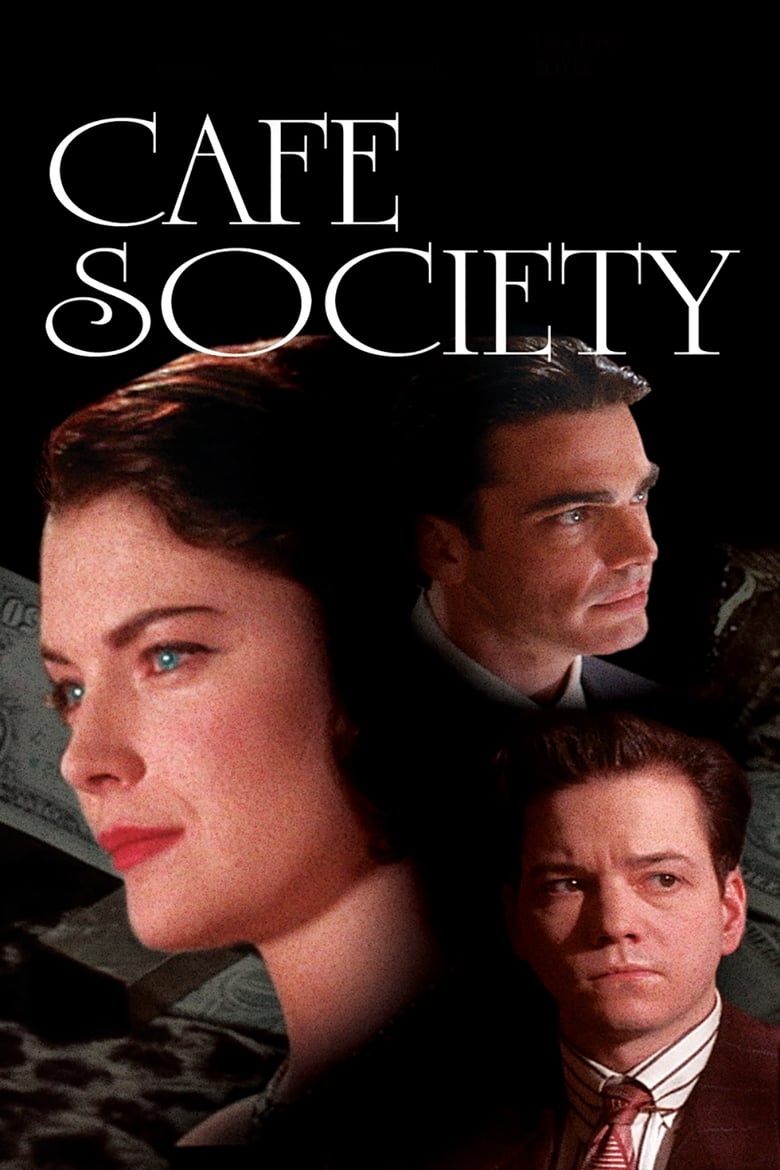
New York 1952. Mickey Jelke inherits a big sum of money and spends his nights in Manhattan, painting the city red. Night after night, he can be found in one Broadway bar or the other, in the company of disreputable persons like pimps and prostitutes. One day,a shady cop, aided by Mickey's own girlfriend, Patricia, decides to accuse him of running a prostitution network. A scandal breaks out.
Overall Score
Limited
Category Breakdown
LGBTQ+ Representation
The film adheres to the heteronormative social structures of 1952 New York. The narrative focuses on a central romantic entanglement between the male protagonist and his female counterpart, reinforcing traditional relational tropes.
Gender Representation
Gender dynamics follow standard mid-century roles, focusing on social and romantic interactions. While women appear as prostitutes, they function more as atmospheric elements than agents of systemic change or intellectual subversion.
Racial & Ethnic Diversity
The story concentrates on a specific white, socioeconomic milieu in mid-century Manhattan. It lacks evidence of a diverse cast, focusing instead on class distinctions within a relatively homogeneous social circle.
Religious & Cultural Diversity
The film explores class tension and social climbing rather than critiquing Western institutions. The portrayal of anti-social elements serves the crime genre rather than acting as a vehicle for political or moral relativism.
Disability Representation
There is no evidence of characters with visible or invisible disabilities. The narrative does not integrate neurodivergence or physical impairments as central thematic or character-driven elements.
Strengths
Areas for Improvement
AI Analysis
Cafe Society functions as a period-specific crime drama that prioritizes the exploration of class and social reputation. It reinforces the conventional social hierarchies and demographic norms of the 1950s rather than disrupting them. The narrative architecture lacks intersectional complexity. By focusing on a localized, homogeneous demographic, the film stays within the bounds of traditional genre tropes without offering significant subversion of mid-century social structures.
No reviews yet. Be the first to share your thoughts on this movie!
Use the rating form above to leave a star rating and optional review.