
Hotel America
1981
No user ratings available yet
Diversity score: 6.2 out of 10

1998
Director
Patrice Chéreau
Runtime
122 minutes
Average Rating
No ratings yetSynopsis
Friends of a recently painter Jean-Baptiste Emmerich gather at a Paris railroad station for a four-hour journey to Limoges, where Emmerich wanted to be buried. The dozen travelers include art historian François and his lover Louis, who develops an interest in Bruno, whom he meets on a train. Traveling parallel with the train is a station wagon with Jean-Baptiste's body, and this vehicle is driven by Thierry, husband of Catherine, who's on the train with their daughter. François plays a taped interview with Jean-Baptiste, revealing his sexual appeal to both men and women. Lucie is convinced that she was his main love. Also on board is his nephew, Jean-Marie and Jean-Marie's estranged wife Claire. After the funeral in "Europe's largest cemetery," the story continues in the mansion of Jean-Baptiste's brother Lucien.
Overall Score
Fair
Category Breakdown
LGBTQ+ Representation
The film disrupts heteronormative expectations by portraying desire as a fluid, destabilizing force. It avoids rigid identity labels, focusing instead on non-traditional attractions and the complexity of intimacy.
Gender Representation
Female characters possess significant agency over their emotional and sexual lives. The narrative avoids submissive tropes, instead depicting women as the primary drivers of the plot's psychological tension.
Racial & Ethnic Diversity
The ensemble is predominantly white, reflecting a specific, homogeneous Parisian social milieu. This focus on a particular socioeconomic circle results in a lack of racial or ethnic intersectionality.
Religious & Cultural Diversity
The narrative prioritizes subjective emotional truths over religious or institutional ideals. It deconstructs traditional Western social structures by focusing on the volatility of passion and grief.
Disability Representation
There is no significant focus on physical or neurodivergent disabilities. The characters' struggles are primarily psychological and emotional rather than centered on disability.
Strengths
Areas for Improvement
AI Analysis
Patrice Chéreau’s film is a sophisticated study of human volatility that excels in subverting social and gendered expectations. By centering female agency and exploring fluid, non-traditional desire, the work challenges conventional romantic and social structures. However, the film is limited by its narrow demographic scope. The casting is heavily homogeneous, focusing on a white, middle-to-upper-class Parisian circle that lacks racial intersectionality. Additionally, there is no meaningful representation of disability. Ultimately, the film's strength lies in its progressive approach to morality and identity. It favors individual psychological complexity and moral relativism over traditionalist frameworks, making it a potent exploration of the human condition.
1981

2010

2023

1996

1994

2001

2021
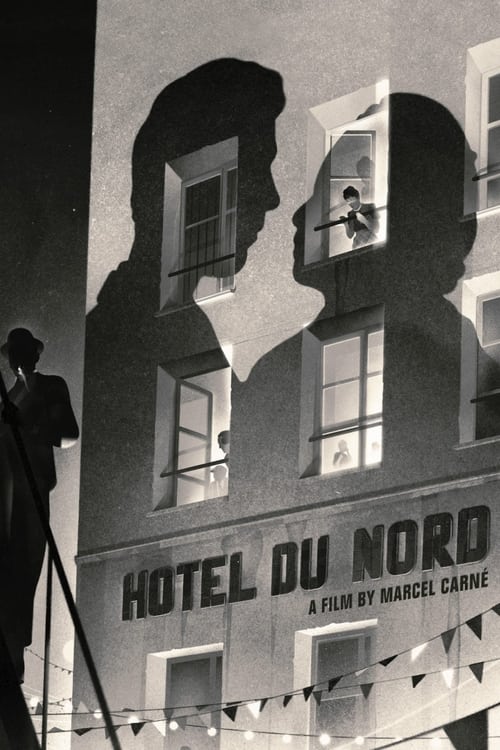
1938

2009

1987

1996
No reviews yet. Be the first to share your thoughts on this movie!
Use the rating form above to leave a star rating and optional review.