
Mary Marie
2011
No user ratings available yet
Representation score: 3.9 out of 10
Representation Score
Good
2009
RDirector
Michael Winterbottom
Runtime
94 minutes
Average Rating
No ratings yetNew Showbiz Analysis
Genova is a socially conscious film that uses a docudrama style to break down traditional cinematic boundaries. It presents systemic struggles as complex, overlapping experiences rather than passive victimhood. The film's strength lies in its critique of Western hierarchies and capitalist systems. By featuring non-professional migrant actors, it offers a powerful critique of post-colonial dynamics and systemic barriers faced by non-Anglo-Saxon populations. While the film excels in racial and cultural depth, its gender representation focuses primarily on the internal dynamics of a fractured family unit. However, the narrative remains progressive by emphasizing human dignity over bureaucratic processes.
Category Breakdown
The film follows the older daughter's journey of discovering her sexuality, which is portrayed as a nuanced part of the family's healing process.
Female characters play a significant role in driving the story's emotional shifts. The narrative challenges the typical strong patriarch cliché by highlighting the father's vulnerability and his struggle to lead.
By focusing on undocumented migrants from North Africa and the Middle East, the film challenges the Eurocentric perspective. Using non-professional migrant actors helps connect the audience to the characters' experiences.
The story critiques Western institutions and the tension between state authority and survival. It portrays undocumented labor as a necessary response to oppressive economic structures.
There is no significant evidence regarding the portrayal of physical or neurodivergent disabilities within the narrative.
Present on Screen
Limited or Absent
Official Synopsis
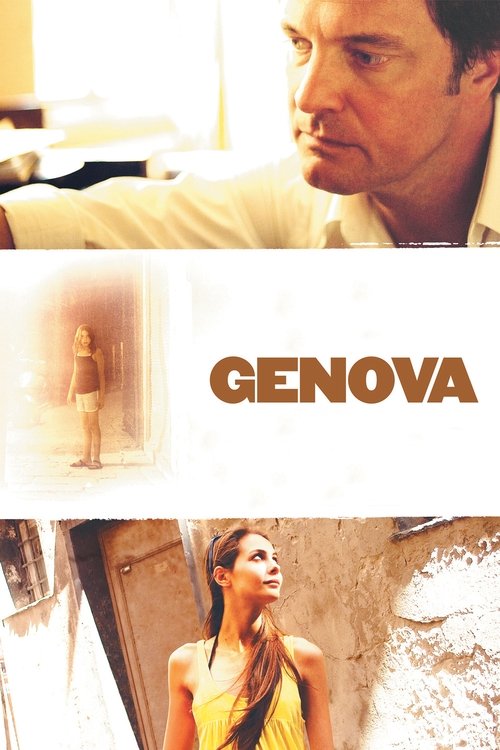
A man moves his two daughters to Italy after their mother dies in a car accident, in order to revitalize their lives. Genoa changes all three of them as the youngest daughter starts to see the ghost of her mother, while the older one discovers her sexuality.
2011

2008

1995

2016

2020

2001

1999

2003
No reviews yet. Be the first to share your thoughts on this movie!
Use the rating form above to leave a star rating and optional review.