The Cow
1989
No user ratings available yet
Representation score: 2.3 out of 10
Representation Score
Limited
1980
Director
Frédéric Back
Runtime
15 minutes
Average Rating
No ratings yetNew Showbiz Analysis
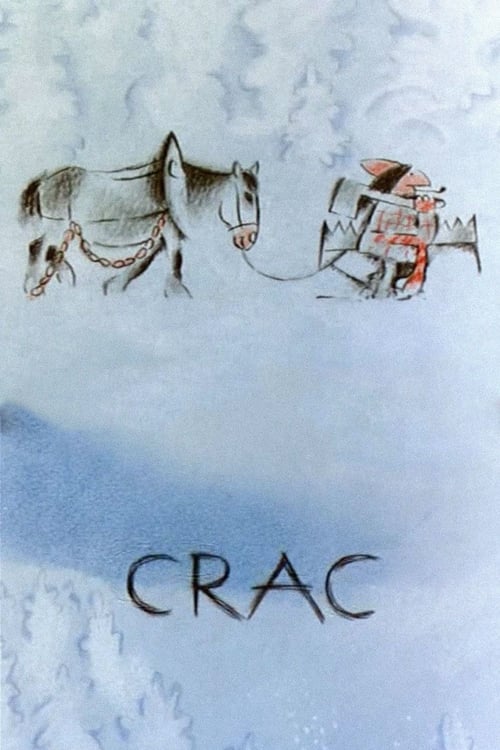
Crac! is a work of high artistic intentionality that disrupts cinematic expectations through its medium. It rejects commercialized, standardized storytelling in favor of a fluid, organic exploration of cultural and environmental memory. While the film does not engage with identity politics through explicit character traits, it achieves narrative disruption by centering a regional history through a non-traditional lens. Its value lies in its rejection of industrial visual structures. Ultimately, the film's abstract nature means it bypasses traditional demographic representation, focusing instead on the symbolic history of Quebec and the natural world.
Category Breakdown
The film uses a highly abstract, non-humanoid visual language. Since characters are represented through elemental movements rather than gendered forms, there is no depiction of sexual orientation or gender identity.
The narrative avoids traditional gender hierarchies by not focusing on character-driven social roles. By emphasizing symbolic history, it disrupts expectations of masculine or feminine roles, but it does not give characters much control over their own stories.
The film focuses on the exploration of Québécois identity and regional heritage. However, the abstract forms used in the film do not include explicit racial diversity, which limits its overall diversity score.
The work challenges Western institutional narratives by prioritizing environmentalism and the cyclical nature of life. Its painterly aesthetic critiques standardized, mass-produced media through organic, fluid movement.
The focus on abstract, symbolic imagery and elemental movement provides no basis for evaluating the representation of physical or neurodivergent identities.
Present on Screen
Limited or Absent
Official Synopsis
A wooden rocking chair serves as a tool to delve through the history of Quebec in the last century.
1989
1991
2000
2016
1987
2006
2018
2012
No reviews yet. Be the first to share your thoughts on this movie!
Use the rating form above to leave a star rating and optional review.