An Island
2017
No user ratings available yet
Representation score: 5.8 out of 10
Representation Score
Minimal
1987
Director
Frédéric Back
Runtime
30 minutes
Average Rating
No ratings yetNew Showbiz Analysis
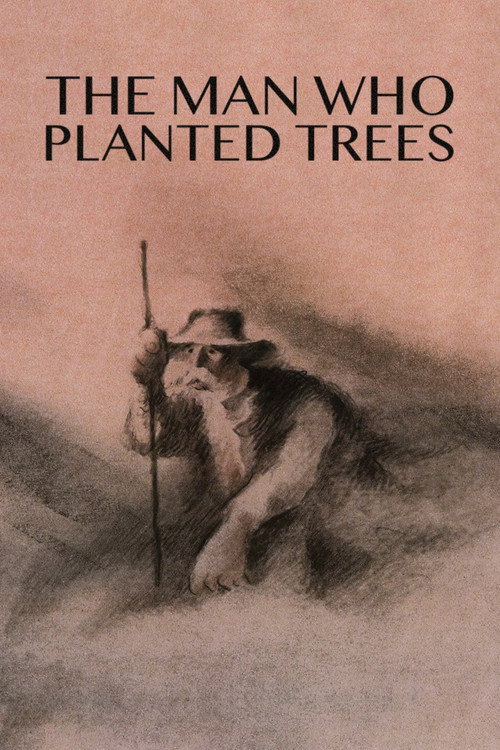
Frédéric Back’s animated short is a contemplative exploration of ecological restoration and personal responsibility. It shifts the traditional 'man vs. nature' conflict into a narrative of mutual stewardship, highlighting the transformative impact of individual effort. However, the film lacks the layered representation of human diversity seen in contemporary cinema. Its narrow focus on environmental themes results in a limited exploration of social dynamics. Ultimately, while it stands as a powerful environmental statement, it falls short in representing a wide range of human identities.
Category Breakdown
The film focuses on a single male protagonist and does not depict any LGBTQ+ identities or same-sex relationships.
The story centers around a solitary male character and lacks any female characters or social interactions that would add gendered complexity.
Set in a predominantly white European environment, the film does not feature a diverse cast of characters representing different ethnicities or races.
The film highlights a pre-industrial, pastoral lifestyle that challenges modern capitalist land use, emphasizing a deep ecological connection.
The film does not include any characters with visible or invisible disabilities, focusing instead on the protagonist's physical abilities and persistence.
Present on Screen
Limited or Absent
Official Synopsis
The story of one shepherd's single-handed quest to re-forest a desolate valley in the foothills of the French Alps throughout the first half of the 20th century.
2017
2015

2016
2004
1973
2019
2011
2018
No reviews yet. Be the first to share your thoughts on this movie!
Use the rating form above to leave a star rating and optional review.