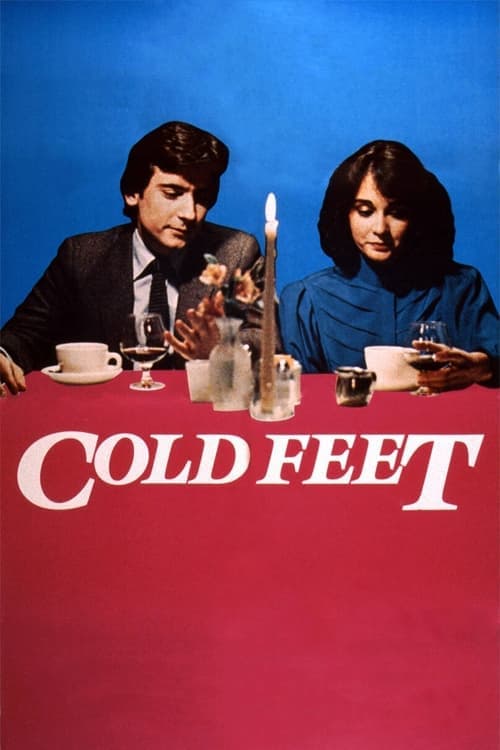
Cold Feet
1984
No user ratings available yet
Representation score: 2.9 out of 10

Representation Score
Fair
1986
PG-13Director
Cary Parker
Runtime
84 minutes
Average Rating
No ratings yetNew Showbiz Analysis
The film operates as a traditional 1980s romantic comedy centered on the breakup and potential reconciliation of a heterosexual couple. While it avoids obvious harmful stereotypes, it lacks the complexity needed to address broader social issues. The story relies on conventional clichés of romantic tension and personal comfort. Without diverse casting or multi-layered themes, the film remains a standard genre piece with limited social breadth. Ultimately, the film presents a narrow view of human experience, focusing on individual romantic arcs rather than a diverse or inclusive social landscape.
Category Breakdown
The story focuses on a heterosexual relationship between Alan and Mary. There is no indication of LGBTQ+ identities or queer-coded subtext in the narrative.
Mary shows independence by refusing to be a passive partner after breaking up with Alan. However, the film maintains traditional gender roles and romantic tension.
Set in Glasgow, the film seems to depict a homogeneous community. There is no sign of a diverse cast or multi-ethnic ensemble.
The plot centers on personal romantic fulfillment and adheres to conventional Western values. It does not challenge religious or institutional structures.
The narrative does not feature characters dealing with physical or neurodivergent conditions. The emotional struggles described are typical of the genre without representing disability.
Present on Screen
Limited or Absent
Official Synopsis
Alan and Mary are pretty miserable together and split up. As a very presentable Glaswegian photographer, Alan soon has chances to find consolation elsewhere, but more and more thinks of Mary. She, however, seems a lot less keen to try again.
1984

1971

1954

1988

1992

1972

1989

1979
No reviews yet. Be the first to share your thoughts on this movie!
Use the rating form above to leave a star rating and optional review.