
Bhoot
2003
No user ratings available yet
Representation score: 2.7 out of 10
Representation Score
Fair
1996
Director
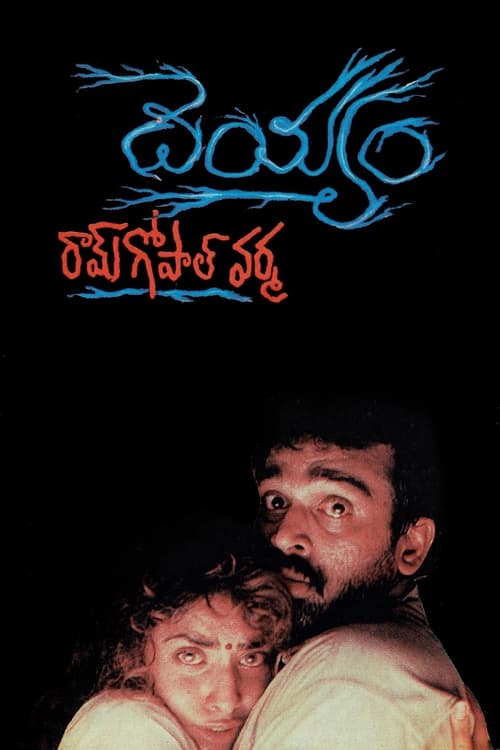
Ram Gopal Varma
Runtime
86 minutes
Average Rating
No ratings yetNew Showbiz Analysis
Deyyam is a conventional 1990s horror film that prioritizes psychological tension and genre clichés over social subversion. It operates within a standard moral framework, focusing on a nuclear family unit in a suburban Hyderabad setting. The film achieves cultural authenticity through its casting and regional setting, avoiding the whitewashing often seen in Western media. However, it lacks the intentionality needed to challenge existing social hierarchies or provide multi-layered depth. Ultimately, the narrative uses character traits, such as a child's perceived imaginary friends, primarily as plot devices for terror rather than as meaningful explorations of neurodivergence or identity.
Category Breakdown
The film follows a traditional supernatural horror framework without addressing non-binary gender identities or questioning the assumption that everyone is straight. It does not challenge traditional views on sexuality.
The story centers on a female protagonist experiencing terror, a common horror cliché. While she is the main character, the film does not challenge traditional gender roles.
The production features a predominantly South Asian cast, reflecting its Hyderabad setting. It avoids whitewashing by centering indigenous identities and local landscapes.
The film adheres to traditional storytelling norms. It lacks significant critiques of Western institutions or the promotion of moral relativism found in more progressive works.
A child's interaction with unseen entities drives the plot. This behavior, which can be interpreted as neurodivergent, is used as a supernatural device rather than a nuanced exploration of disability.
Present on Screen
Limited or Absent
Official Synopsis
Murali and Sindhu, bought a new farm house in the suburbs of Hyderabad. The problem comes when Sindhu's son starts making imaginary friends in their new home. It is later then revealed that his "imaginary friends" are ghosts and they have been telling their son to move out of their house.
2003
2007

2012
2008

1992

2012
2014
2015
No reviews yet. Be the first to share your thoughts on this movie!
Use the rating form above to leave a star rating and optional review.