
Something's Gotta Give
2003
No user ratings available yet
Diversity score: 3.0 out of 10
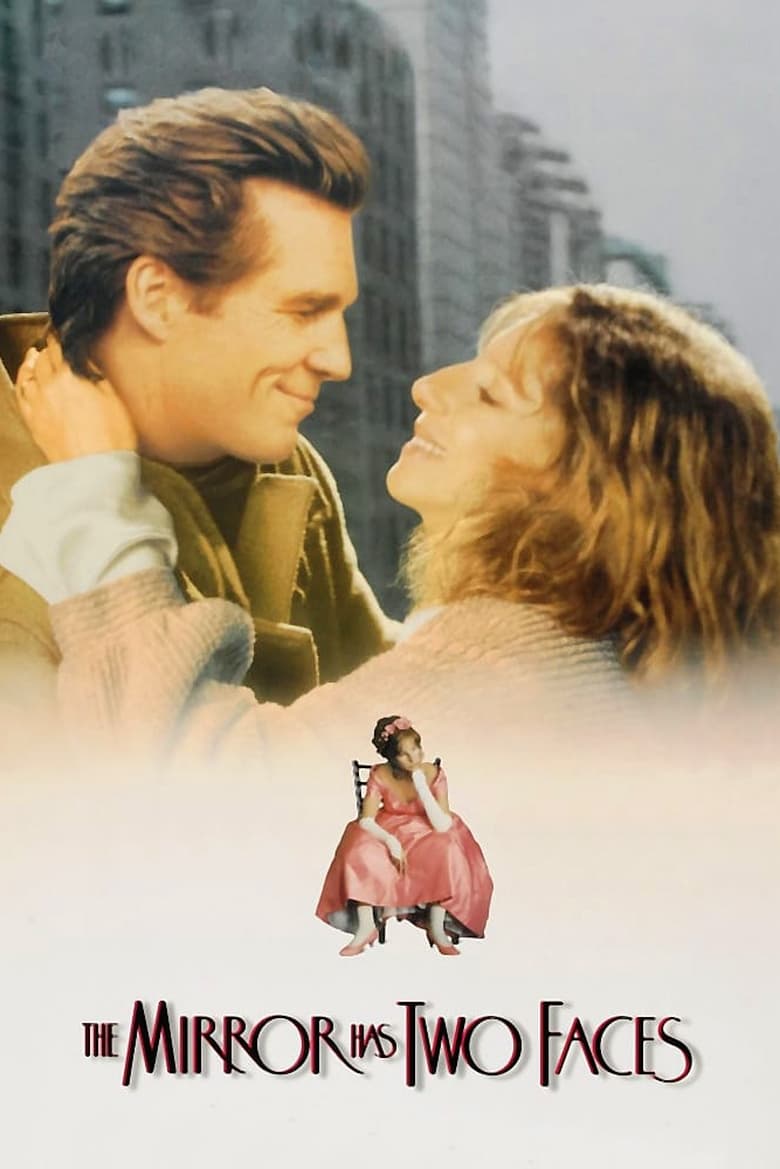
1996
PG-13Director
Barbra Streisand
Runtime
126 minutes
Average Rating
No ratings yetSynopsis
Rose Morgan, who still lives with her mother, is a professor of Romantic Literature who desperately longs for passion in her life. Gregory Larkin, a mathematics professor, has been burned by passionate relationships and longs for a sexless union based on friendship and respect.
Overall Score
Limited
Category Breakdown
LGBTQ+ Representation
The film operates within a strictly heteronormative framework. It focuses exclusively on the romantic trajectory between two heterosexual protagonists, offering no queer narratives.
Gender Representation
Rose Morgan subverts traditional tropes by centering a woman of high intellect rather than conventional beauty. The narrative prioritizes emotional substance over physical perfection.
Racial & Ethnic Diversity
The cast is relatively homogeneous, reflecting a standard Western, middle-class academic setting. The story does not actively engage with racial or ethnic diversity.
Religious & Cultural Diversity
The film deconstructs the 'beauty myth' and societal standards of attraction. However, it remains centered on Western social norms without critiquing religion or traditional structures.
Disability Representation
There are no characters with physical or neurodivergent disabilities. The film only touches on the psychological struggles regarding body image and self-perception.
Strengths
Areas for Improvement
AI Analysis
The film succeeds as a character study that disrupts aesthetic hierarchies. By centering a protagonist whose agency is tied to intellect rather than physical perfection, it challenges the standard Hollywood romantic archetype. However, the film lacks intersectional breadth. The narrative is confined to a homogeneous social milieu, offering very little representation for LGBTQ+ individuals, diverse racial groups, or people with disabilities. Ultimately, while it provides a nuanced look at female subjectivity, its narrow focus on a traditional Western romantic framework limits its overall progressive impact.
2003

2008
2004

2013

2012
1998

1988
1987

2010

1990
1995
2000
No reviews yet. Be the first to share your thoughts on this movie!
Use the rating form above to leave a star rating and optional review.