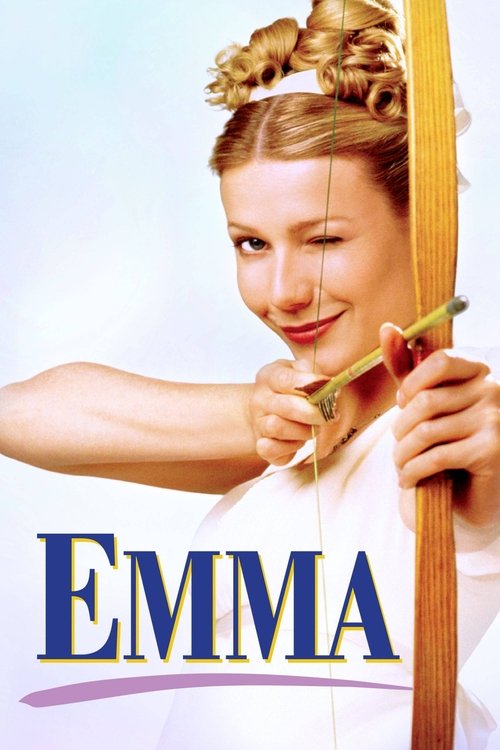
Emma
1996
No user ratings available yet
Representation score: 3.3 out of 10
Representation Score
Minimal
1996
PGDirector
Douglas McGrath
Runtime
121 minutes
Average Rating
No ratings yetNew Showbiz Analysis
Emma (1996) is a traditional period piece that prioritizes historical accuracy over modern diversity. The film centers on the social dynamics of the 19th-century landed gentry, resulting in a homogeneous cast. While the protagonist, Emma Woodhouse, demonstrates significant influence, the narrative reinforces rather than challenges established social, racial, and gender hierarchies. The story resolves through the successful navigation of these systems. Ultimately, the film celebrates the Regency-era social norms and class structure, providing limited space for diverse identities or critical examination.
Category Breakdown
The film follows the traditional romantic customs of the Regency era, with no representation of LGBTQ+ identities or non-cisgender gender expressions.
Emma Woodhouse has significant influence in her community, both intellectually and socially. However, the story centers marriage as the main goal for female characters.
The cast is uniform, reflecting the historical context of the Regency period. The story focuses solely on the white, upper-class population.
The film upholds traditional Western social structures and class distinctions. It emphasizes these hierarchies without challenging them.
The film does not include characters with visible or invisible disabilities. Disability is not used as part of the narrative.
Present on Screen
Limited or Absent
Official Synopsis
Emma Woodhouse is a congenial young lady who delights in meddling in other people’s affairs. She is perpetually trying to unite men and women who are utterly wrong for each other. Despite her interest in romance, Emma is clueless about her own feelings, and her relationship with gentle Mr. Knightley.
1996

1940
2020

2006
1993

1999
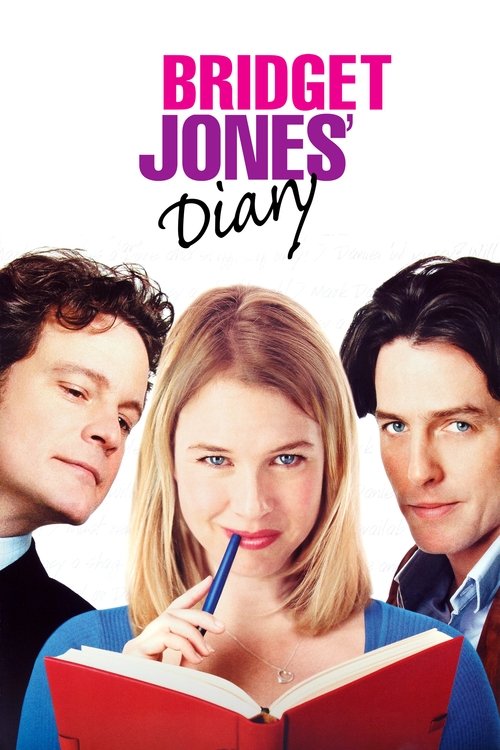
2001

1998
No reviews yet. Be the first to share your thoughts on this movie!
Use the rating form above to leave a star rating and optional review.