X2
2003
No user ratings available yet
Representation score: 8.8 out of 10
Representation Score
Good
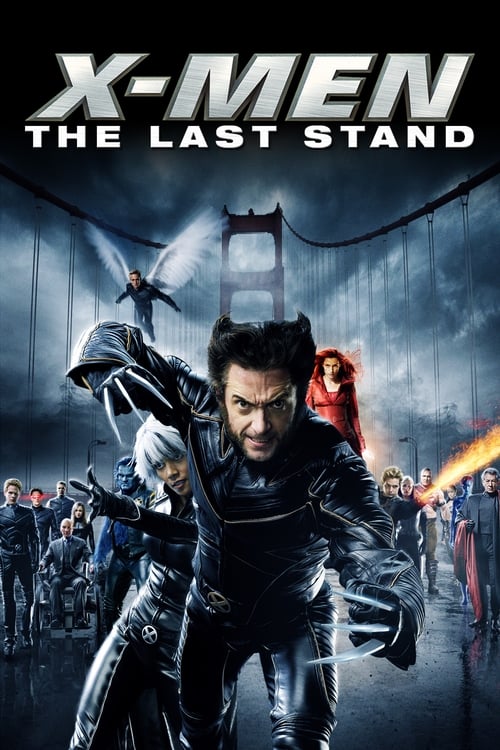
2006
PG-13Director
Brett Ratner
Runtime
104 minutes
Average Rating
No ratings yetNew Showbiz Analysis
X-Men: The Last Stand employs its speculative setting to explore complex themes of identity and systemic control. By using the mutant metaphor, the film delves into the tensions between underrepresented groups and dominant societal structures. The strong representation through female leads and a diverse cast adds depth to the narrative, elevating it beyond typical blockbuster fare. However, the film lacks explicit LGBTQ+ visibility and occasionally prioritizes high-stakes action over more nuanced explorations of disability.
Category Breakdown
The film does not include explicit LGBTQ+ characters or non-cisgender identities. It focuses on heterosexual relationships, missing opportunities to explore a wider range of sexual orientations and gender identities.
Female characters such as Jean Grey and Storm play significant roles, challenging traditional gender norms. Jean Grey's transformation into the Phoenix further shifts the power dynamic, making her a key figure in the overall narrative.
The film features a diverse cast, including prominent Black characters like Storm. Characters like Nightcrawler represent various racial and ethnic backgrounds, adding layers of cultural diversity.
The film addresses issues of forced assimilation and identity erasure through the conflict over the mutant cure. The tension between Magneto's separatist views and the X-Men's integrationist stance highlights systemic power structures and the imposition of conformity.
Mutant abilities serve as metaphors for neurodivergence and physical differences. However, the film tends to use these characters primarily as action figures rather than as nuanced explorations of disability experiences.
Present on Screen
Limited or Absent
Official Synopsis
When a cure is found to treat mutations, lines are drawn amongst the X-Men led by Professor Charles Xavier, and Magneto's Brotherhood of Mutants.
2003
2004
2000

2011

2009

2011
1997
2016
No reviews yet. Be the first to share your thoughts on this movie!
Use the rating form above to leave a star rating and optional review.