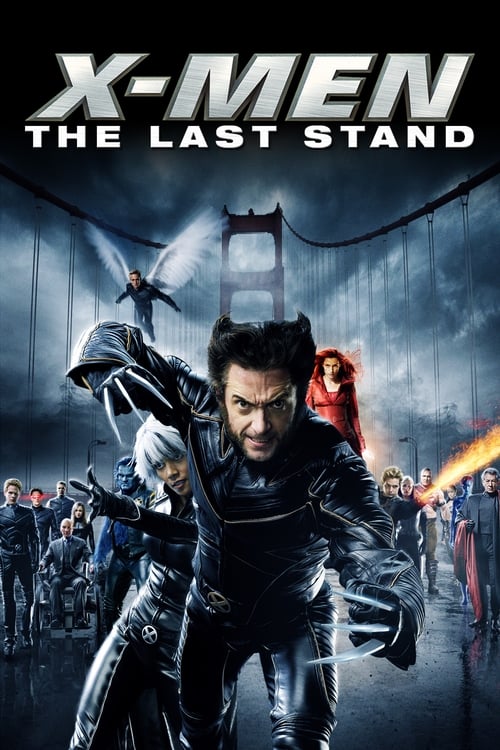
X-Men: The Last Stand
2006
No user ratings available yet
Representation score: 7.7 out of 10

Representation Score
Good
2009
PG-13Director
Gavin Hood
Runtime
107 minutes
Average Rating
No ratings yetNew Showbiz Analysis
X-Men Origins: Wolverine is a character study of trauma and autonomy within a superhero framework. It uses the mutant metaphor to explore themes of being 'othered,' providing a symbolic representation of racial and ethnic diversity. The film's critique of the military-industrial complex adds a layer of skepticism towards systemic issues. However, it remains tied to traditional cinematic structures, relying on a narrow focus on straight relationships and male-driven conflicts. These elements limit the impact of female characters and prevent a higher overall score. Ultimately, the film balances conventional genre clichés with a modern, anti-authoritarian perspective on institutional power and individual identity.
Category Breakdown
The film sticks to an assumption that everyone is straight or cisgender. There are no explicit depictions of queer relationships or non-cisgender identities. The central emotional arc revolves around Logan's vengeance for a lost romantic partner.
The story focuses on male rivalry and brotherhood. Female characters like Jean Grey and Silverfox have significant supernatural abilities, but the main momentum comes from male-driven conflicts.
Characters like Ororo Munroe provide Black ability to act. The film explores themes of being 'othered' through the mutant metaphor, highlighting diversity among the cast.
The story critiques the predatory Weapon X program, presenting the protagonists as fugitives resisting systemic corruption. It frames the protagonists as challenging traditional social pillars.
Mutancy serves as a metaphor for neurodivergence and physical differences. Characters have ability to act, but the film sometimes leans toward superhero exceptionalism rather than a nuanced exploration of lived disabilities.
Present on Screen
Limited or Absent
Official Synopsis
After seeking to live a normal life after 200 years, Logan sets out to avenge a death by undergoing the mutant Weapon X program and becoming Wolverine.
2006
2009
2003

2011
2000
2010

2011

2012
No reviews yet. Be the first to share your thoughts on this movie!
Use the rating form above to leave a star rating and optional review.