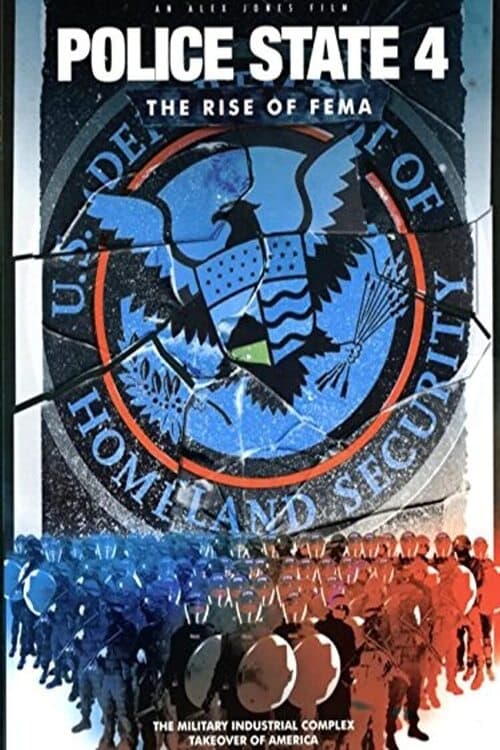
Police State IV: The Rise of FEMA
2010
No user ratings available yet
Representation score: 1.1 out of 10
Representation Score
Minimal
2005
NRDirector
Alex E. Jones
Runtime
156 minutes
Average Rating
No ratings yetNew Showbiz Analysis
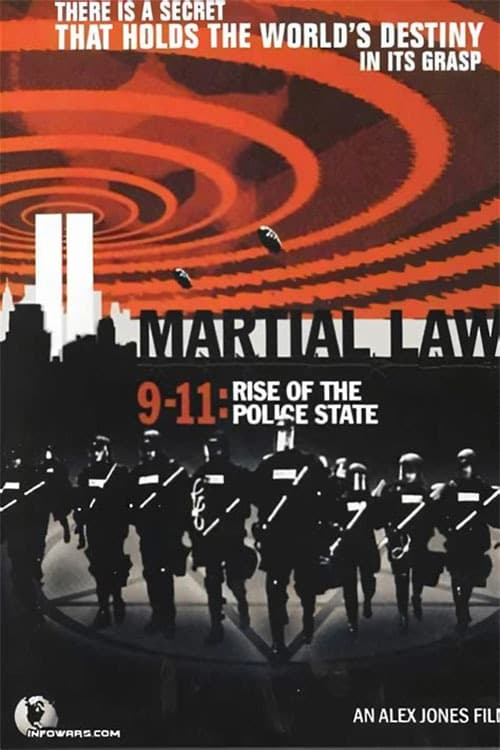
Martial Law 9-11: Rise of the Police State functions as a political critique of institutional authority and state-sanctioned narratives. Its primary objective is to expose a perceived high-tech control grid and the erosion of the Constitution following the September 11th attacks. Because the film prioritizes themes of tyranny, warfare, and systemic corruption, it lacks the intentionality required to advance diverse social or identity-based representation. The narrative architecture is built around institutional skepticism rather than multi-layered frameworks. Ultimately, the documentary operates within a framework of political alarmism. It focuses on the mechanics of power and state control, leaving little room for the exploration of underrepresented identities or diverse social perspectives.
Category Breakdown
The documentary focuses on geopolitical events and state surveillance. It lacks LGBTQ+ characters, themes related to gender identity, or narratives challenging the assumption that everyone is straight or cisgender.
The narrative utilizes masculine-coded imagery of warfare and state control. There is no indication of nuanced roles for women or the subversion of traditional gender hierarchies.
The film centers on the American domestic landscape and global orchestrators. It prioritizes constitutional erosion over characters who reflect more than one aspect of diversity of racial diversity or underrepresented ethnic identities.
The work critiques Western governance as corrupt and tyrannical. It aligns with anti-establishment populism rather than progressive social shifts or frameworks that consider identity.
The film provides no evidence regarding the depiction of neurodivergence, physical disabilities, or mental health conditions.
Present on Screen
Limited or Absent
Official Synopsis
Evil has spread across the land. Martial Law: 9/11 Rise of the Police State exposes the high-tech control grid that is being set up across America Out of the ashes of the September 11th tragedy, a dark empire of war and tyranny has risen. The Constitution has been shredded and America is now a Police State. This film exposes not just who was behind the 9-11 attacks, but the roots and history of its orchestrators.
2010

2013
2002

2002
2008
2005
2021
2006
No reviews yet. Be the first to share your thoughts on this movie!
Use the rating form above to leave a star rating and optional review.