
His Perfect Obsession
2018
No user ratings available yet
Diversity score: 3.2 out of 10
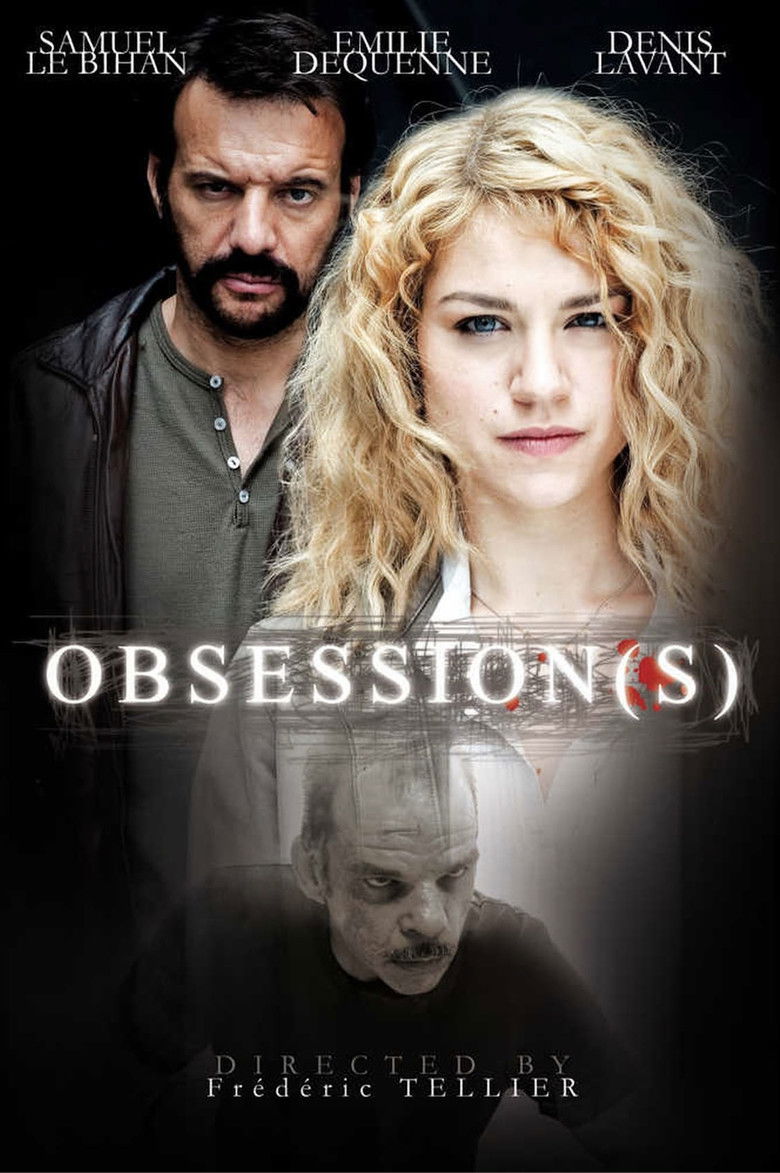
2010
Director
Frédéric Tellier
Runtime
96 minutes
Average Rating
No ratings yetSynopsis
A grizzly cat-and-mouse game between imprisoned serial killer, Marc Douelec, and Sarah Lisbourn, a police officer who is preoccupied with the murder investigation that surrounds the death of her mother. Douelec is behind bars for the crime but refuses to reveal the location of his victim’s body in favour of tormenting Lisbourne.
Overall Score
Limited
Category Breakdown
LGBTQ+ Representation
The film focuses on heteronormative romantic and sexual impulses. It lacks explicit non-cisnormative identities or narratives that actively critique traditional relational frameworks.
Gender Representation
The narrative explores complex power dynamics by centering on the psychological volatility of both male and female protagonists. Characters are defined by emotional obsessions rather than static domestic roles.
Racial & Ethnic Diversity
The cast and setting are predominantly white, centered within a contemporary French urban milieu. The film reflects a relatively homogeneous social landscape without diverse ethnic ensembles.
Religious & Cultural Diversity
The film explores subjective morality where truth is dictated by individual obsession. It lacks a concerted critique of Western institutions, focusing instead on internal psychological landscapes.
Disability Representation
There is no significant evidence of characters with disabilities driving the narrative. Psychological themes are framed as motifs of human nature rather than explorations of lived disability experience.
Strengths
Areas for Improvement
AI Analysis
Obsession(s) functions as a postmodern anthology that prioritizes individualistic, internal experiences over broad social or political movements. The fragmented narrative architecture deconstructs human fixation through four psychological segments: Love, Desire, Passion, and Obsession. While the film offers a nuanced look at emotional volatility and disrupts traditional moral certainty, it lacks significant intersectional representation. The focus remains heavily on the internal landscape of the characters rather than systemic social critiques. Ultimately, the work operates within a framework of moral relativism, blurring the lines between passion and pathology without addressing broader social hierarchies or diverse identities.
2018
2012
2006
2020

2020

2016
2018

2012
1992

1995
2011

2024
No reviews yet. Be the first to share your thoughts on this movie!
Use the rating form above to leave a star rating and optional review.