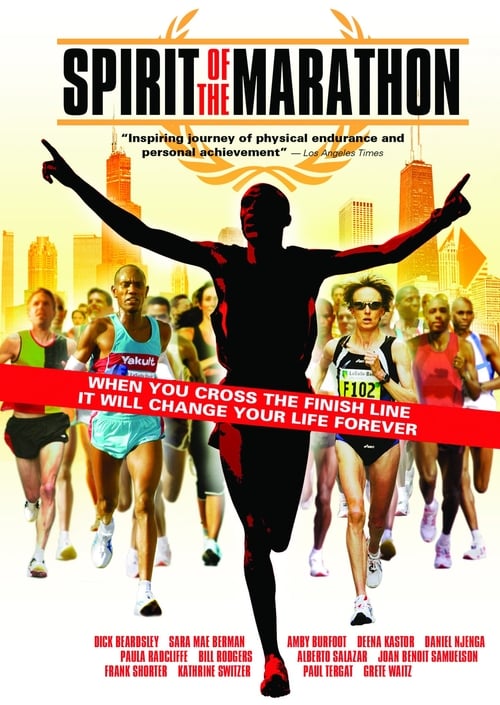
Spirit of the Marathon
2008
No user ratings available yet
Representation score: 5.2 out of 10
Representation Score
Good
2018
Not RatedDirector
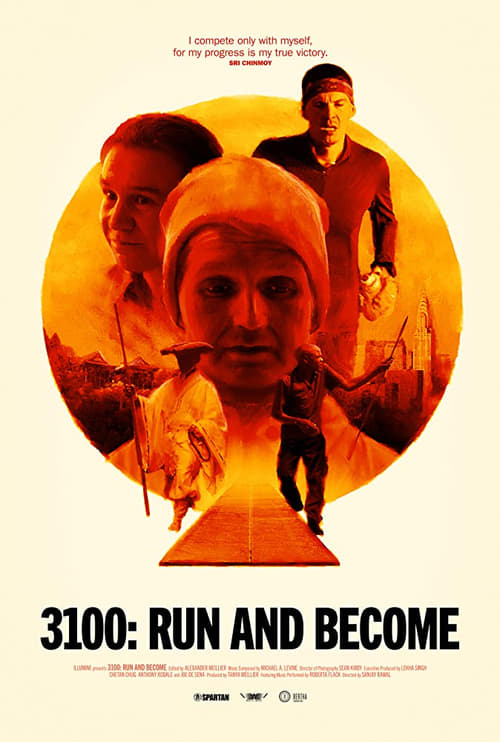
Sanjay Rawal
Runtime
79 minutes
Average Rating
No ratings yetNew Showbiz Analysis
The documentary excels by rejecting a Western-centric perspective, instead using a global landscape that spans Japan, Africa, and the Navajo Nation. This structure grants a significant role in driving the story to non-Western perspectives and indigenous spiritualities. By framing athleticism through spiritual transcendence rather than mere physical dominance, the film challenges traditional gendered views of athleticism. It moves away from institutionalized religion and capitalist productivity to focus on individual liberation. However, the film lacks explicit representation regarding LGBTQ+ identities and disability. The narrative remains centered on individualistic spiritualism, which may overlook broader social identity dynamics.
Category Breakdown
The film focuses on the physical and spiritual endurance of the 3100 Mile Run. There is no explicit depiction of LGBTQ+ identities or relationships that challenge the assumption that everyone is straight or cisgender.
By centering the narrative on internal, spiritual experiences, the film challenges traditional masculine-dominated views of athleticism. This provides a platform for diverse participants to demonstrate mental fortitude and play a significant role in driving the story.
The narrative is explicitly global and non-Anglo-centric. By featuring the Navajo Nation and the Kalahari Desert, the film positions indigenous and non-Western populations as central to the human experience.
The film prioritizes esoteric and spiritual elements over institutionalized religion. This approach promotes universal spirituality and challenges the capitalist emphasis on productivity through the transformative act of running.
While the documentary explores the limits of the human body, there is no specific evidence regarding the inclusion of characters with visible or invisible disabilities.
Present on Screen
Limited or Absent
Official Synopsis
The film takes us to the highlands of Japan, the Kalahari Desert in Africa, the Navajo Nation in Arizona, the forests of Finland and the streets of NYC (the famed Self -Transcendence 3100 Mile Run) and captures the esoteric, spiritual side of running.
2008
2014
2017
2016
2014
2016
2012
2004
No reviews yet. Be the first to share your thoughts on this movie!
Use the rating form above to leave a star rating and optional review.