Kanehsatake, 270 Years of Resistance
1993
No user ratings available yet
Representation score: 5.0 out of 10
Representation Score
Good
2018
GDirector
Stéphanie Gillard
Runtime
91 minutes
Average Rating
No ratings yetNew Showbiz Analysis
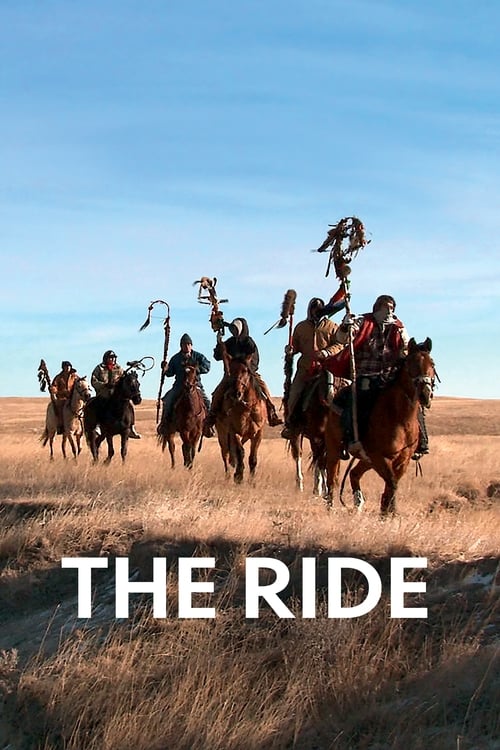
The Ride serves as a powerful tool for reclaiming history. By centering the Lakota Sioux experience, the film disrupts the traditional Western 'victor's narrative' and instead highlights the ability to act of indigenous peoples. It shifts the focus from military expansion to the lived reality of those affected by colonization. While the film excels in showcasing indigenous ability to act and cultural continuity, it does not delve into LGBTQ+ identities or specific gender dynamics. The focus remains on the communal and historical aspects of the Memorial Ride. Overall, the documentary is a significant work of cultural preservation. It provides a vital platform for underrepresented voices to reclaim their history through the lens of ancestral memory.
Category Breakdown
The film focuses on historical commemoration and tribal traditions. There is no explicit mention of LGBTQ+ characters or stories about non-traditional gender identities.
The story centers on a communal tradition involving young Lakota. Gender roles are not detailed, but the film highlights the lived experiences of the community.
The documentary offers excellent representation by focusing on a non-Anglo-Saxon majority. It prioritizes the ability to act of indigenous peoples and the Lakota Sioux viewpoint over typical Western historical perspectives.
The film challenges Western institutional narratives by presenting history through the lens of survival and systemic hardship. It emphasizes the ongoing nature of indigenous culture and the connection to ancestors.
There is no specific information regarding the depiction of physical or neurodivergent disabilities within the film.
Present on Screen
Limited or Absent
Official Synopsis
The end of the Indian Wars in the US concluded with the horrific events at Wounded Knee in December, 1890. After Custer's defeat at Little Big Horn and Chief Sitting Bull's subsequent surrender and execution, the Lakota Sioux set out on a 300-mile walk southward through South Dakota. Along the way they were joined by Chief Big Foot's band of Minneconjou Lakota and pursued by the Calvary, ending up at Wounded Knee where 350 Lakota were massacred. In The Ride we are witness to the annual Chief Big Foot Memorial Ride, a tradition since 1986 where young Lakota retrace part of the route on a 300-mile horse ride in late December.
1993
2007
2020
2016
2022
2017
2016
2013
No reviews yet. Be the first to share your thoughts on this movie!
Use the rating form above to leave a star rating and optional review.