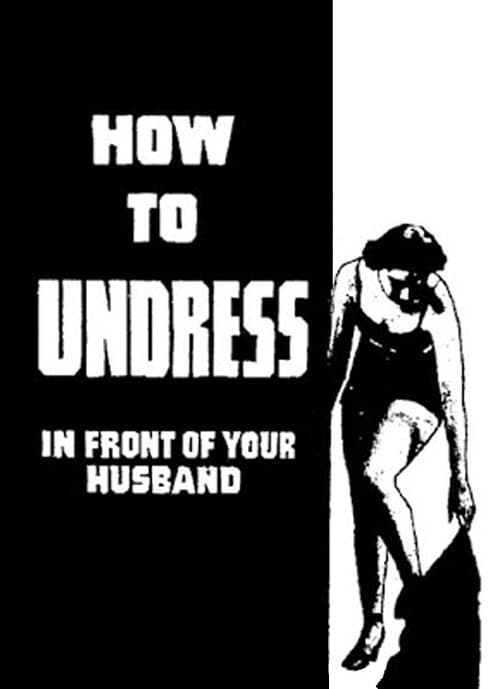
How to Undress in Front of Your Husband
1937
No user ratings available yet
Representation score: 0.6 out of 10
Representation Score
Minimal
1954
Director
Jean Loubignac
Runtime
95 minutes
Average Rating
No ratings yetNew Showbiz Analysis
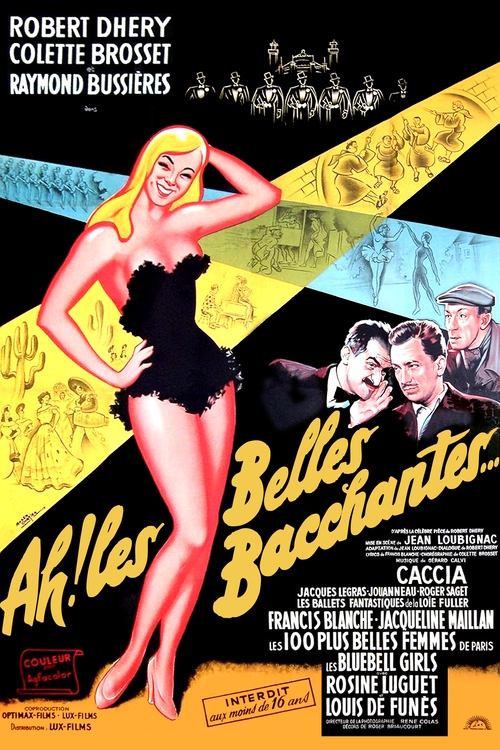
Peek-a-boo (1954) operates within the established moral and demographic frameworks of mid-century French cinema. The narrative relies on traditional clichés of authority and gendered scrutiny rather than disrupting social hierarchies. The film's structure centers on a male policeman enforcing communal standards against a provocative revue. This setup reinforces a traditional gender hierarchy where women are subjects of observation rather than active agents.
Category Breakdown
The film does not include any LGBTQ+ characters or narratives that challenge the assumption that everyone is straight or cisgender. It adheres to the conventional social structures typical of 1954.
Women are positioned as objects of scrutiny within a patriarchal framework. The central conflict revolves around a male authority figure monitoring female performers.
There is no evidence of a diverse cast or characters reflecting multiple aspects of identity. The production likely reflects the homogeneous demographic norms of mid-century France.
The narrative reinforces traditional Western social institutions and state-sanctioned morality. It lacks challenges to established communal standards.
There is no mention of characters with visible or invisible disabilities. No information is available regarding how disability is handled in the film.
Limited or Absent
Official Synopsis
A small-town policeman is informed that "naked women" are dancing in a revue at a local variety theater. Being the guardian of public morals that he is, he decides to stroll on down there and check it out for himself.
1937

1964
1965
1979
1962

1963
1959
1953
No reviews yet. Be the first to share your thoughts on this movie!
Use the rating form above to leave a star rating and optional review.