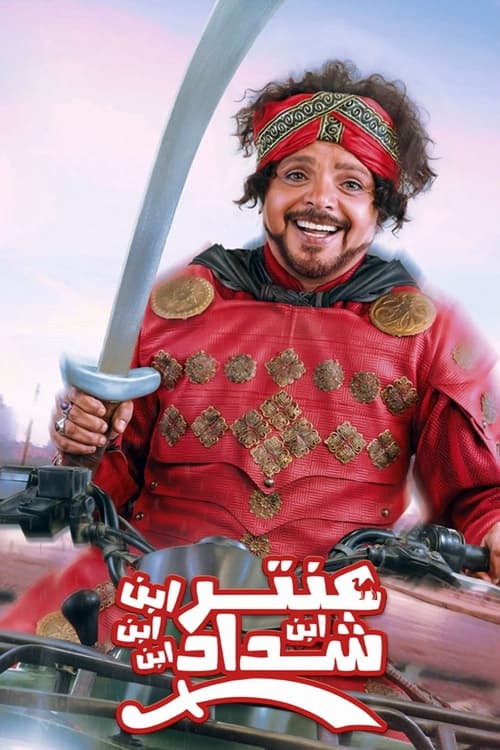
Antar, The Fourth Grandson of Shaddad
2017
No user ratings available yet
Diversity score: 3.1 out of 10
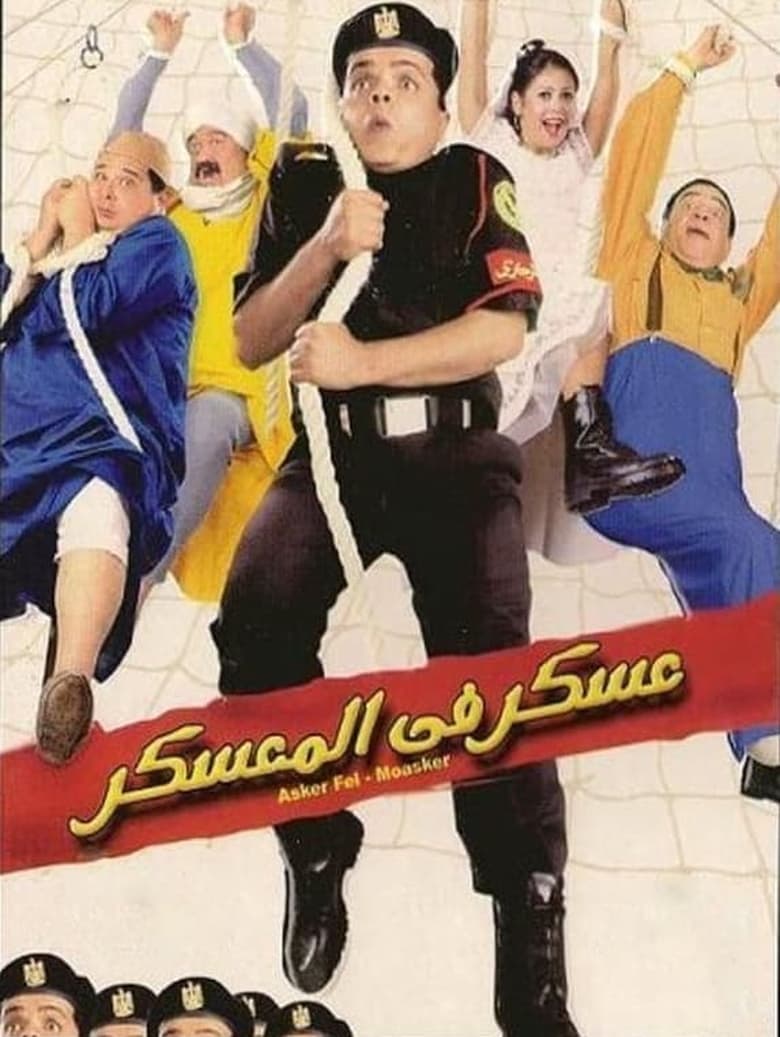
2003
Director
Mohamed Yassin
Runtime
109 minutes
Average Rating
No ratings yetSynopsis
The Upper Egyptian Khader Hassanein joins the Central Security Forces, he accidentally meets Metwally Al-Zanati on the train, who tells him that he must take the revenge of his father who was killed 20 years ago. Khader realizes that he is the person who Metwally is meant to kill.
Overall Score
Limited
Category Breakdown
LGBTQ+ Representation
The film shows no evidence of non-cisnormative identities. It appears to adhere to traditional social structures common to early 2000s Egyptian comedy.
Gender Representation
The plot centers on male-driven themes like military service and masculine honor. The primary drivers of conflict are male characters, reinforcing traditional hierarchies.
Racial & Ethnic Diversity
The story explores regional identity through Upper Egyptian culture. However, the cast remains ethnically homogeneous, focusing on a singular national identity.
Religious & Cultural Diversity
The narrative is rooted in traditional concepts of familial duty and blood feuds. It prioritizes honor and kinship over the deconstruction of traditional institutions.
Disability Representation
There is no documented evidence regarding the inclusion of characters with physical or neurodivergent disabilities in the film.
Strengths
Areas for Improvement
AI Analysis
Soldier In the Camp is a regional comedy that leans heavily into established social hierarchies and traditional cultural tropes. The narrative architecture relies on classic themes of vengeance and mistaken identity, which serve to reinforce existing social frameworks rather than challenge them. The film focuses on a specific regional identity, utilizing the Upper Egyptian context to ground its storytelling. While this provides internal ethnic distinction, the work lacks intersectional depth or a multi-ethnic ensemble. Ultimately, the film functions as a traditionalist piece. It prioritizes masculine honor and familial duty, operating within a narrow social scope that avoids subverting conventional regional expectations.
2017
2002
1976
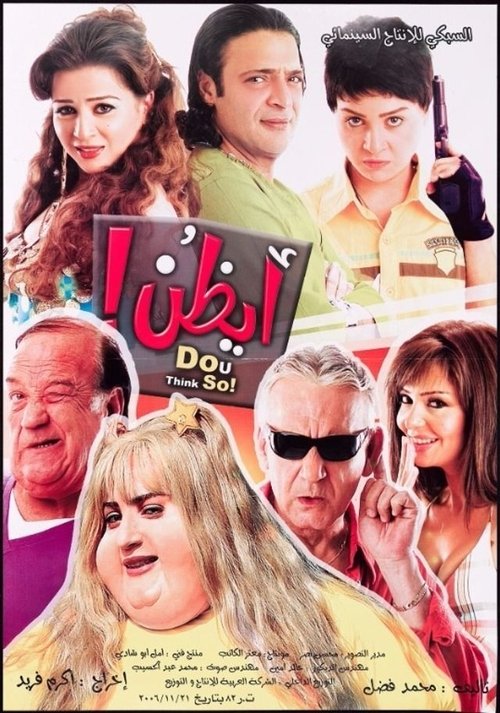
2006
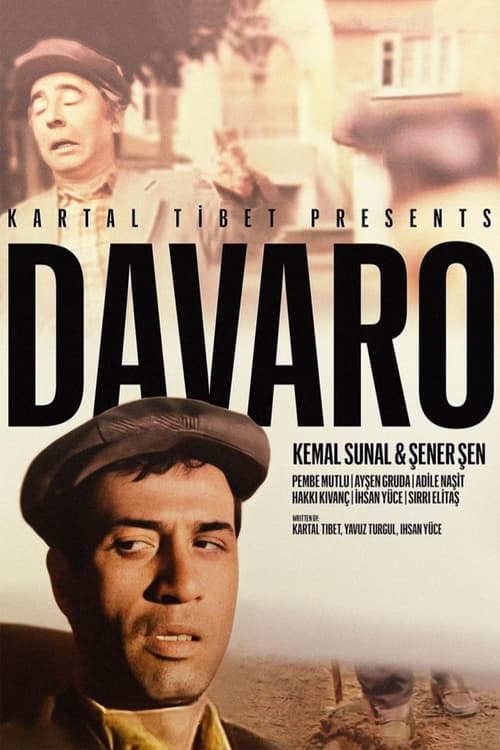
1981
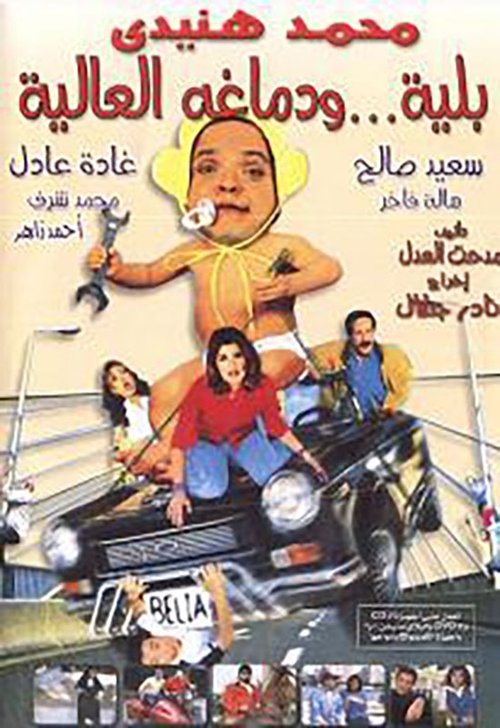
2000

2013
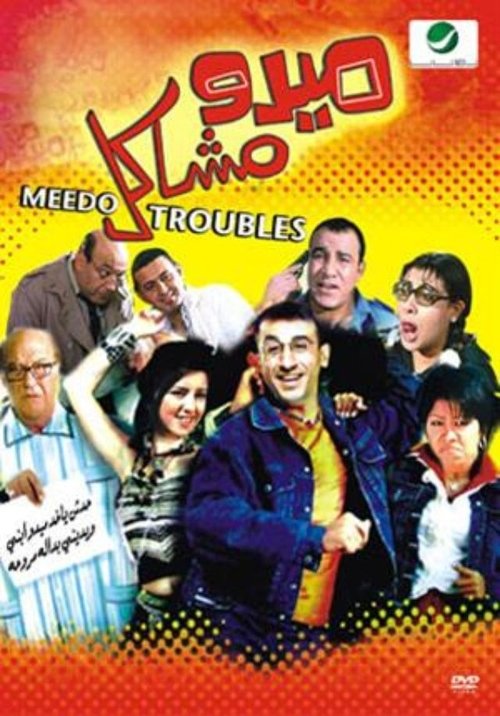
2003

2001
1983

2017
2019
No reviews yet. Be the first to share your thoughts on this movie!
Use the rating form above to leave a star rating and optional review.