
System Crasher
2019
No user ratings available yet
Representation score: 8.7 out of 10
Representation Score
Good
2013
Director
Bernd Sahling
Runtime
90 minutes
Average Rating
No ratings yetNew Showbiz Analysis
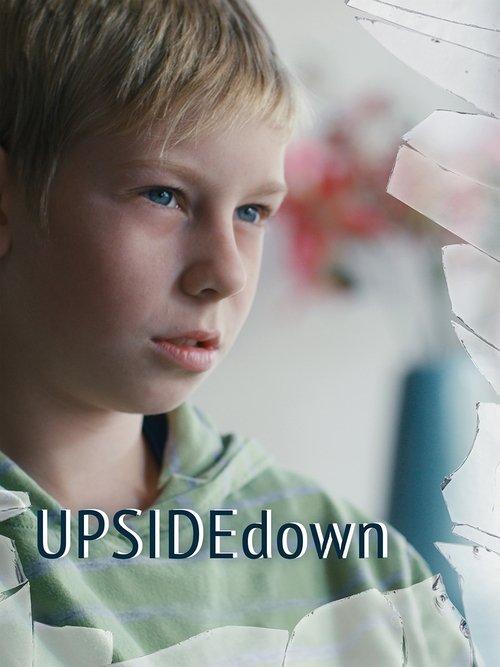
UPSIDEdown is a work of social realism that prioritizes individual character depth and institutional critique over broad demographic diversity. It succeeds in humanizing neurodivergent experiences by focusing on Sascha's specific interests and his resistance to standardized educational expectations. However, the film lacks visibility in several key areas. The social environment appears homogeneous, and there is a notable absence of LGBTQ+ representation or multi-ethnic casting. The narrative relies on standard developmental clichés that do not significantly challenge traditional gender hierarchies. Ultimately, the film finds its strength in questioning the benevolence of state institutions. It explores the friction between a child's unique way of interacting with the world and the rigid structures of school and social services.
Category Breakdown
The film focuses on the childhood companionship between Sascha and Elli. There is no explicit mention of LGBTQ+ identities or relationships that go beyond the assumption that everyone is straight or cisgender.
The story features a young male protagonist alongside a female peer and an active maternal figure. While it avoids some traditional gender stereotypes, the roles still follow typical developmental drama conventions.
The setting appears to depict a homogeneous social environment. There is no indication of a multi-ethnic cast or significant racial diversity among the characters.
The narrative offers a nuanced critique of state institutions like special schools and youth welfare offices. It emphasizes individual interests, such as sound collecting, over rigid social conformity.
Sascha’s struggle with literacy and placement in a special school provides a platform for exploring neurodivergence. The film highlights his ability to act and personal passions rather than academic success.
Present on Screen
Limited or Absent
Official Synopsis
More than anything, 10-year-old Sascha likes to go on bike rides with the neighbour girl Elli and collect sounds. He also has a passion for fixing up his bike in his improvised workshop. What he doesn't like is the new special school he has been sent to in order to learn how to read and write. One day Sascha is caught stealing and his mother decides to seek help at the youth welfare office.
2019
2015

2005

2009
2010
2015
2013
2014
No reviews yet. Be the first to share your thoughts on this movie!
Use the rating form above to leave a star rating and optional review.