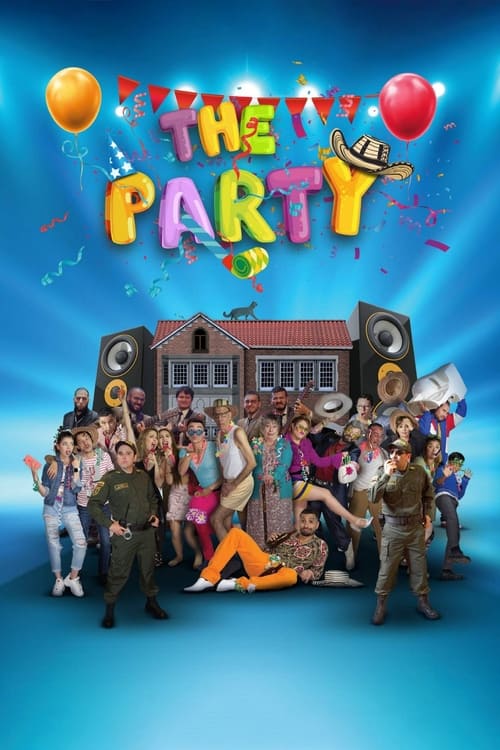
The Party
2019
No user ratings available yet
Representation score: 5.6 out of 10
Representation Score
Limited
2011
Director
José Luis García Sánchez
Runtime
90 minutes
Average Rating
No ratings yetNew Showbiz Analysis
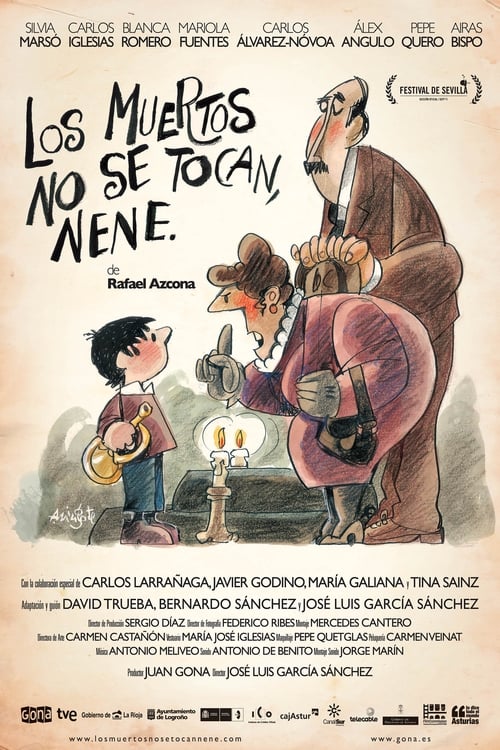
Los muertos no se tocan, nene is a period comedy that looks at the social dynamics of 1959 Logroño. The film focuses on the grotesque situations following the death of a local authority figure. The narrative heavily relies on the social hierarchies of the late Francoist era. It emphasizes observing community structures rather than deconstructing them through progressive or perspectives that reflect multiple aspects of identity. Ultimately, the film lacks visible ability to act for underrepresented groups. It adheres to traditional roles and homogeneous demographics typical of its historical and regional context.
Category Breakdown
The film doesn't include any visible LGBTQ narratives or non-straight identities. Set in 1959, it operates within the social norms of that time.
The story centers on male authority figures such as the mayor and a deceased local official. This structure highlights traditional hierarchies and domestic roles.
As a localized Spanish period piece, the cast is likely ethnically uniform. The film lacks intentional ethnic blending or diverse casting.
The story examines the social absurdities of a traditional community in Logroño. It focuses on established social hierarchies and the impact of new technology.
There is no information about the depiction of physical or neurodivergent characters in this work.
Present on Screen
Limited or Absent
Official Synopsis
Logroño, 1959. The death of a local authority creates a double expectation in his family, the coming of the TV set the deceased bought and the mayor to attend the funeral. His grandson (Airas Brispo) will witness the grotesque situations.
2019

1963
1971
1985
1952
2010

1971
2019
No reviews yet. Be the first to share your thoughts on this movie!
Use the rating form above to leave a star rating and optional review.