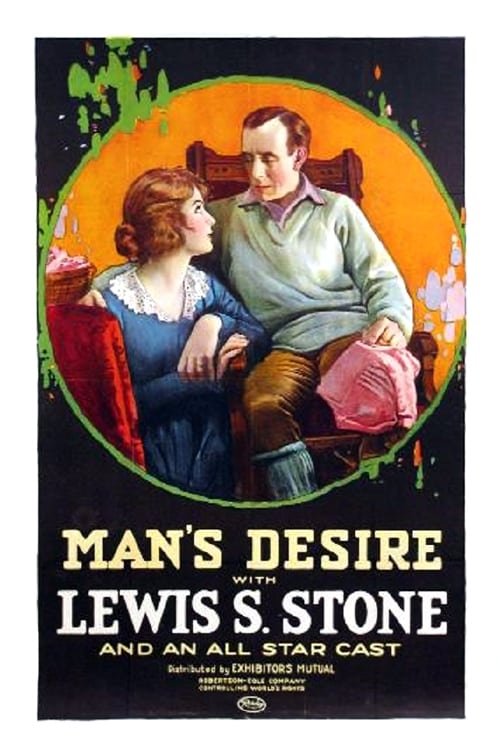
Man's Desire
1919
No user ratings available yet
Representation score: 1.1 out of 10
Representation Score
Limited
1918
APPROVEDDirector
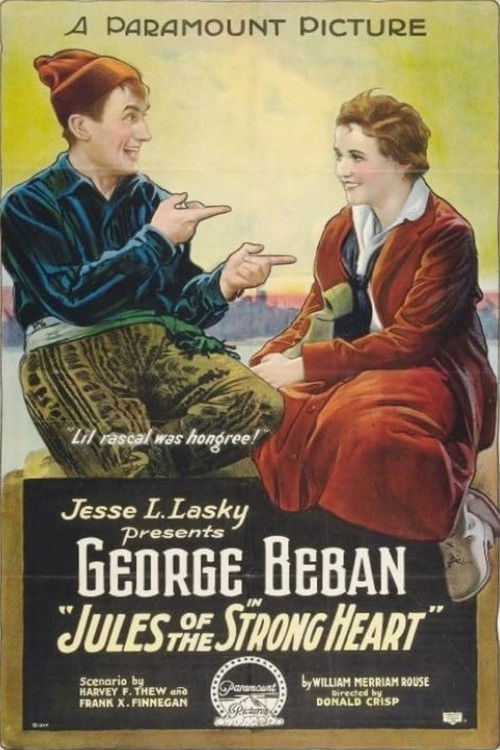
Donald Crisp
Runtime
50 minutes
Average Rating
No ratings yetNew Showbiz Analysis
Jules of the Strong Heart is a typical period drama reflecting the social norms of 1918. While it introduces a French-Canadian lead to avoid the extreme homogeneity seen in some silent-era films, it still adheres closely to the traditional archetypes of the time. The film's narrative structure depends on well-known romantic clichés and conflicts primarily driven by male characters. Although the female lead is essential to the emotional storyline, the overall power dynamics and narrative progression are controlled by the male protagonists. In conclusion, the film upholds the social hierarchies and moral frameworks of its era. It provides a window into early North American ethnic specificity but does not explore the multi-layered complexities seen in contemporary cinema.
Category Breakdown
The film focuses on a traditional romance between Jules Lemaire and Joy Farnsworth. There are no representations of LGBTQ+ identities or same-sex relationships.
Joy Farnsworth plays a crucial emotional role, but the plot is dominated by male characters. The power dynamics follow the gender roles typical of the early 20th century.
The main character is identified as French-Canadian, adding ethnic variety for the time period. However, there is no detailed information about the racial diversity of the supporting cast.
The story emphasizes traditional family values and community bonds. It highlights the importance of fatherhood and respect within a working-class setting.
There are no characters shown with neurodivergent or physical disabilities. The film does not depict any visible or invisible disabilities.
Present on Screen
Limited or Absent
Official Synopsis
Jules Lemaire, a happy-go-lucky French-Canadian lumberman, arrives at the Nemo lumber camp carrying a baby. His love for the child wins him the respect of Joy Farnsworth, the daughter of the camp's foreman, but this arouses the jealousy of Big Jim Burgess, the camp bully.
1919
1939
1918
1927
1910

1930
1919

1971
No reviews yet. Be the first to share your thoughts on this movie!
Use the rating form above to leave a star rating and optional review.