
Stay Alive
2006
No user ratings available yet
Representation score: 3.6 out of 10
Representation Score
Limited
1994
RDirector
John Flynn
Runtime
96 minutes
Average Rating
No ratings yetNew Showbiz Analysis
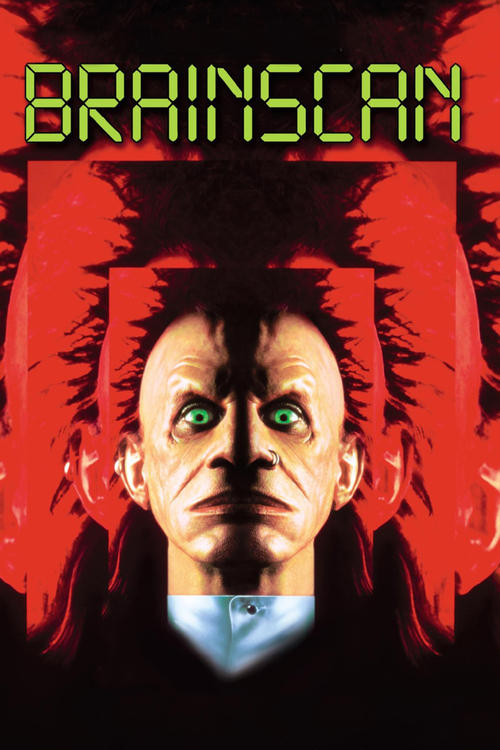
Brainscan is a techno-horror film from the mid-90s that delves into the theme of reality versus simulation. Its narrative structure revolves around a protagonist's journey into a virtual world, employing postmodern ideas about digital immersion. Although the film provides a sophisticated critique of digital escapism, its treatment of social identity remains conventional for its time. The narrative focuses on individual psychological horror rather than challenging systemic social structures. Overall, the film adheres to traditional narrative frameworks, emphasizing a techno-thriller aesthetic over diverse and perspectives that reflect multiple aspects of identity.
Category Breakdown
There are no LGBTQ+ characters or narratives in the film. Queer subtext or engagement with non-straight identities is not evident.
The story centers around a male protagonist. Female characters play secondary roles and do not have much influence over the plot.
The cast is predominantly white and reflects an urban setting. There is no indication of diverse ethnic representation or color-blind casting.
The film serves as a cautionary tale about digital immersion. It does not critically examine Western cultural or religious institutions.
Mental instability is used primarily as a horror device to create suspense. These elements do not provide a nuanced look at neurodivergence.
Present on Screen
Limited or Absent
Official Synopsis
A lonely teenage horror fan and video gamer plays a new immersive and hypnotic computer game where he becomes a psychopathic killer, but when he emerges, he finds that the murder has actually happened.
2006
1984

2012
1983
2017
2002

1986
2022
No reviews yet. Be the first to share your thoughts on this movie!
Use the rating form above to leave a star rating and optional review.