
The Cell
2000
No user ratings available yet
Representation score: 6.9 out of 10
Representation Score
Limited
1984
PG-13Director
Joseph Ruben
Runtime
99 minutes
Average Rating
No ratings yetNew Showbiz Analysis
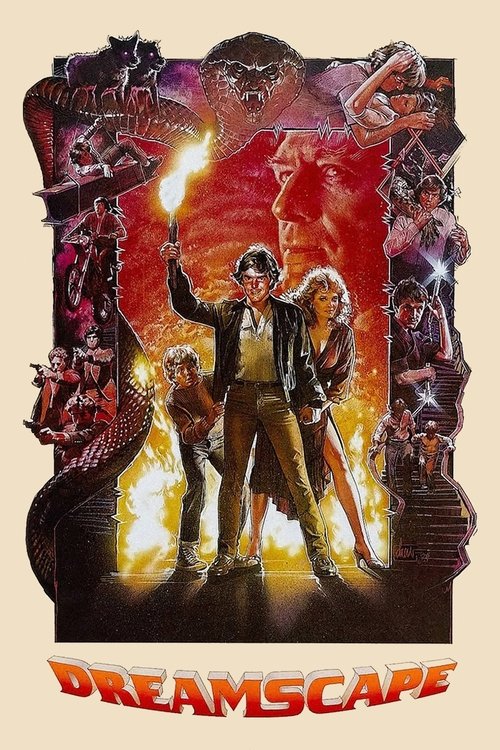
Dreamscape reflects its 1984 setting, focusing on genre suspense rather than social issues. It adheres to traditional demographic norms, offering limited characters who reflect more than one aspect of diversity or subversion of established hierarchies. Though Kelly is portrayed as a competent professional, the power dynamics favor the male protagonist. Psychological trauma serves as a plot device for tension rather than a nuanced exploration of neurodivergence. Overall, the film lacks the intention to address racial, cultural, or LGBTQ+ diversity, resulting in a homogeneous portrayal that upholds the era's norms.
Category Breakdown
There are no LGBTQ+ characters or narratives in the film. Relationships and interpersonal dynamics stay within traditional boundaries.
Kelly is shown as a capable professional, breaking away from domestic roles. However, the story centers around the male protagonist's control and traditional gender roles from the 1980s.
The cast is mostly white, reflecting the era's casting practices. There are no characters of color in prominent roles.
The story focuses on ethical issues related to psychology and state authority, avoiding discussions of cultural diversity or institutional critiques.
Psychological trauma and neurodivergence play key roles in the plot but are used mainly as devices to create suspense rather than as defining character traits.
Present on Screen
Limited or Absent
Official Synopsis
In order to diagnose the psychic traumas suffered by his patients, Dr. Paul Novotny gets young Alex Gardner to enter their dreams.
2000

1980

1994

1986

1981

1978

1996

1983
No reviews yet. Be the first to share your thoughts on this movie!
Use the rating form above to leave a star rating and optional review.