Jamaican Mafia
2015
No user ratings available yet
Representation score: 3.8 out of 10
Representation Score
Excellent
2013
Director
Storm Saulter
Runtime
104 minutes
Average Rating
No ratings yetNew Showbiz Analysis
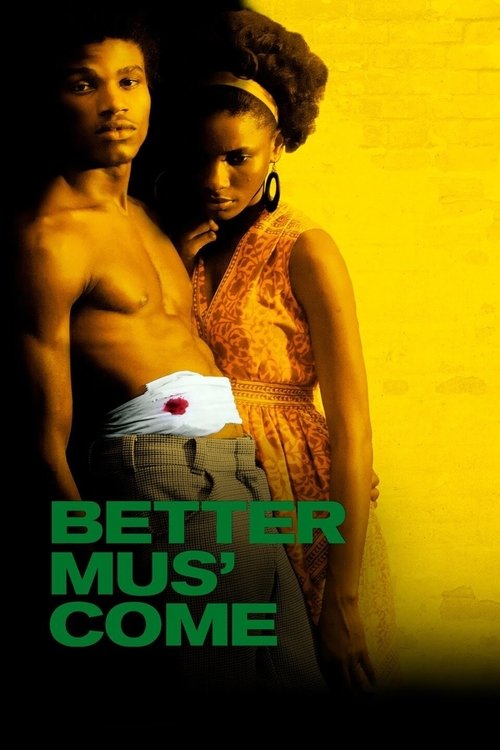
Better Mus' Come is a compelling post-colonial reflection that shines through its authentic, racial-centric lens. By setting the story in 1970s Jamaica, it avoids an outsider's perspective and offers a nuanced view of Black identity and sovereignty. The film adeptly challenges patriarchal norms by emphasizing the domestic sphere and the complex psychological bonds between mothers and children. However, it does not explicitly address LGBTQ+ identities or disabilities, focusing instead on racial and gendered dynamics.
Category Breakdown
The film does not focus on LGBTQ+ identities or non-traditional gender expressions. Instead, it centers on traditional family and community structures within a restrictive society.
Women are not sidelined in the story. Instead, the narrative emphasizes the domestic sphere and the intricate emotional bonds between mothers and children.
The film offers a genuine, Black-centric viewpoint by featuring a Jamaican cast. It delves into the exploration of Black identity and self-determination through the context of the Green Bay Massacre.
The narrative critiques the influence of institutions and the interplay between politics and gangs. It examines the balance between personal freedom and traditional religious or communal expectations.
There is no prominent depiction of visible or invisible disabilities. The focus remains on socio-political and domestic issues rather than neurodivergence or physical disabilities.
Present on Screen
Limited or Absent
Official Synopsis
The film follows warring political factions in 1970s Jamaica as they enlist the support of gangs to enforce their policies, and advance their political agenda. It is a fictionalized dramatization of real historical events, specifically, the Green Bay Massacre, where the government finally tracked down these gangs and had systematically wiped out.
2015
1997
1989
1967
1977
1998
2015
1969
No reviews yet. Be the first to share your thoughts on this movie!
Use the rating form above to leave a star rating and optional review.