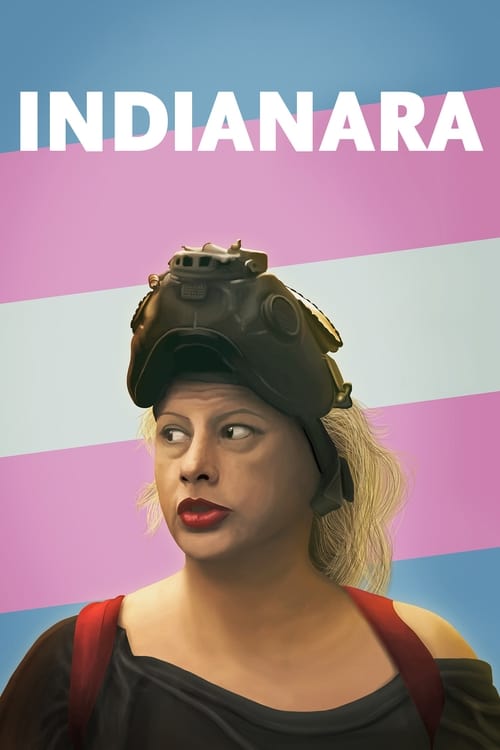
Indianara
2019
No user ratings available yet
Representation score: 7.2 out of 10
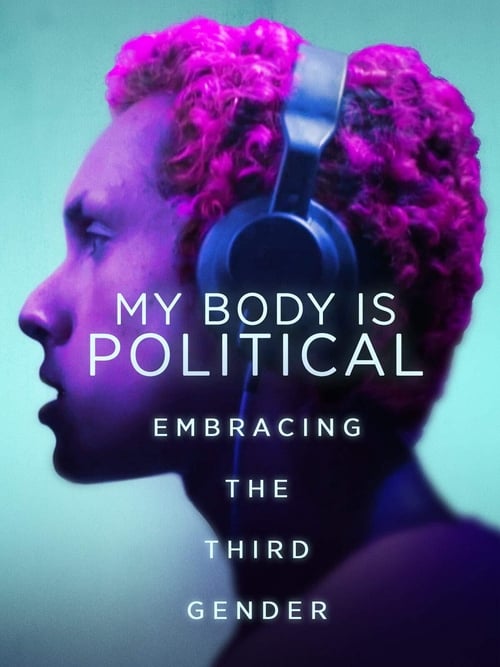
Representation Score
Good
2017
Director
Alice Riff
Runtime
71 minutes
Average Rating
No ratings yetNew Showbiz Analysis
Alice Riff’s documentary is a sophisticated exploration of how gender identity intersects with socioeconomic exclusion. It treats its subjects as intellectually deep protagonists rather than just victims of circumstance. The film frames living authentically as a political struggle. By focusing on the systemic nature of transphobia in Brazil, it shifts the conversation from individual identity to broader power dynamics. Ultimately, the work offers a nuanced look at how identity is formed within high-risk environments, making the personal deeply political.
Category Breakdown
The film centers transgender individuals, highlighting their personal journeys of transition and self-discovery. It portrays medical and social transitions as powerful affirmations of existence in a challenging environment.
By focusing on non-traditional gender identities, the documentary challenges conventional gender roles. It shows how subjects navigate and redefine gendered expectations to survive and express themselves.
Set in São Paulo's favelas, the film addresses the intersection of race, class, and location. Identity is shown as being shaped by the unique conditions of the Brazilian periphery.
The narrative emphasizes personal truths over institutional or religious moralities. It presents bodily autonomy as a revolutionary concept that challenges conservative social structures and systemic oppression.
There is no explicit evidence regarding the portrayal of physical or neurodivergent disabilities in the film.
Present on Screen
Limited or Absent
Official Synopsis
Paula, Beatriz, Giu and Fernando live in one of the poorest favelas of São Paulo. A world of marginalization and despair, in which they struggle for their rights as transgenders, but also for survival: according to the statistics from the Transgender Europe NGO, Brazil is the nation with the highest number of murders of transgender people each year. The choice to experience your body in complete freedom is a revolutionary concept and highly risky in this context. It is an affirmation of one's being. it is no coincidence that one of them, who has begun the transition phase writes in his diary: "Each hormone pill is a declaration of ownership of my body. After each pill, I feel much better in my own skin". This movie shows their daily life, their struggles and protests in a world where ignorance becomes oppression and hate: in a word transphobia.
2019

2017
2020

2014

2019

2012
2011
2022
No reviews yet. Be the first to share your thoughts on this movie!
Use the rating form above to leave a star rating and optional review.