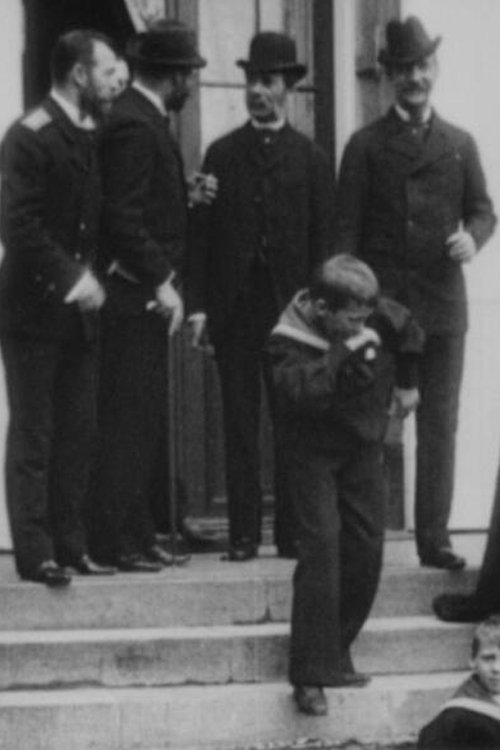
De Kongelige skal fotograferes
1899
No user ratings available yet
Representation score: 0.5 out of 10
No Poster Available
Representation Score
Minimal
1902
Director
Peter Elfelt
Runtime
1 minutes
Average Rating
No ratings yetNew Showbiz Analysis
This documentary serves as a historical record of state ceremony rather than a narrative designed for social representation. It captures the arrival of Czar Nikolai II, a moment defined by the rigid hierarchies of European imperial houses. The film upholds the established social order of the early 20th century. By emphasizing monarchical stability and traditional lineage, it maintains a narrow, Eurocentric perspective that excludes diverse identities and non-traditional power structures. Ultimately, the work documents institutional tradition. It lacks the complexity needed to challenge or represent anything beyond the existing aristocratic status quo.
Category Breakdown
The film does not include any LGBTQ+ characters or narratives. It follows strict conventions that assume everyone is straight or cisgender, typical of early 1900s royal documentation.
The story focuses on patriarchal structures and masculine leadership. Although Queen Louise's birthday tradition is mentioned, the power dynamics center around the male sovereign.
The subjects are uniform, reflecting the Eurocentric and aristocratic constraints of 1902. There is no evidence of non-European identities within this royal documentation.
The film highlights Western institutions, monarchy, and royal lineage. It emphasizes the stability of the state, religion, and the traditional family unit.
There is no depiction of characters with disabilities having real influence. Such representations were rare in newsreels of this era.
Present on Screen
Limited or Absent
Official Synopsis
Nikolai II (1868-1918), the last Russian czar, son of Alexander III and Dagmar. He had been in Denmark on vacation with his parents several times. The royal houses usually met in September to celebrate Queen Louise's birthday. Even after Queen Louise's death, the families still kept the tradition.
1899
![Movie poster for Count of Montebello and General de Boisdeffre going to the Kremlin [Moscow]](https://image.tmdb.org/t/p/w500/60BnpAieOtriCDrNqqykdVAN0lZ.jpg)
1896
1905
1896
1896
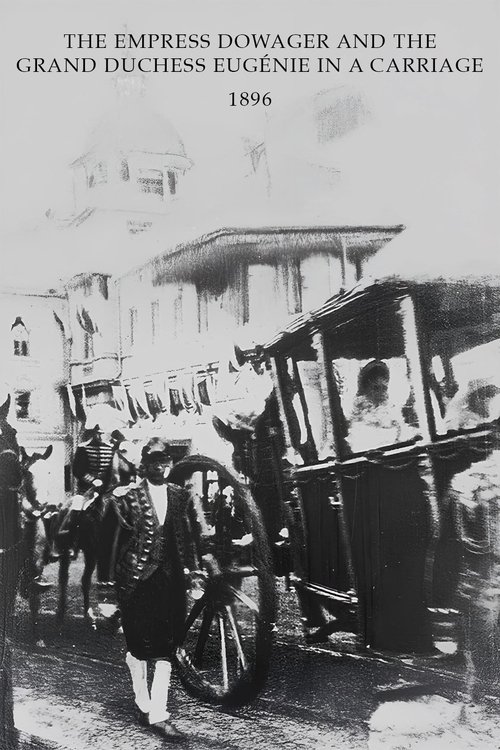
1896
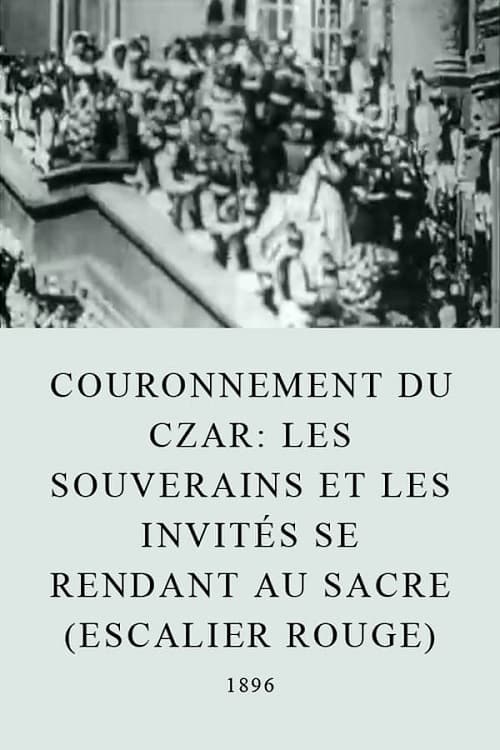
1896
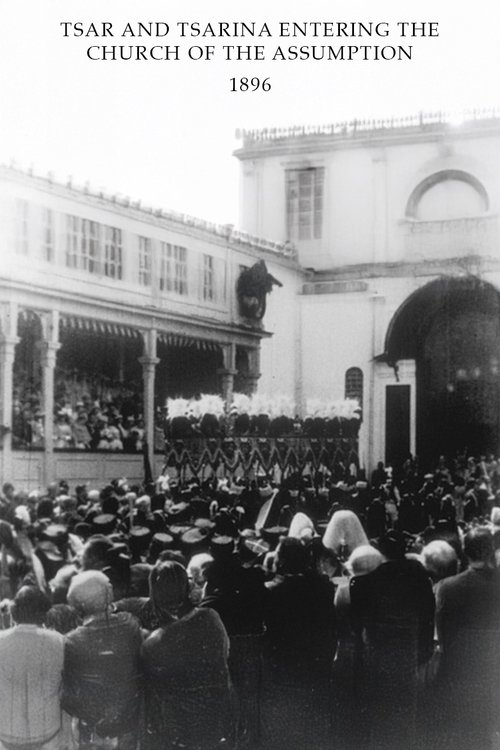
1896
No reviews yet. Be the first to share your thoughts on this movie!
Use the rating form above to leave a star rating and optional review.