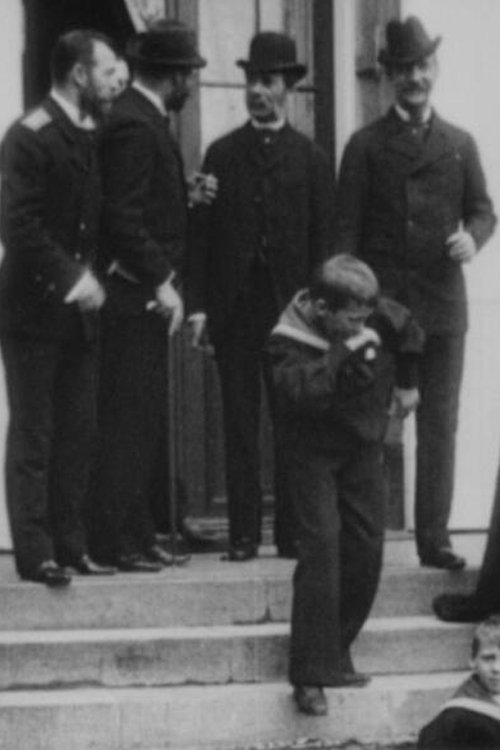
De Kongelige skal fotograferes
1899
No user ratings available yet
Representation score: 0.5 out of 10
Representation Score
Minimal
1905
Director
Peter Elfelt
Runtime
2 minutes
Average Rating
No ratings yetNew Showbiz Analysis
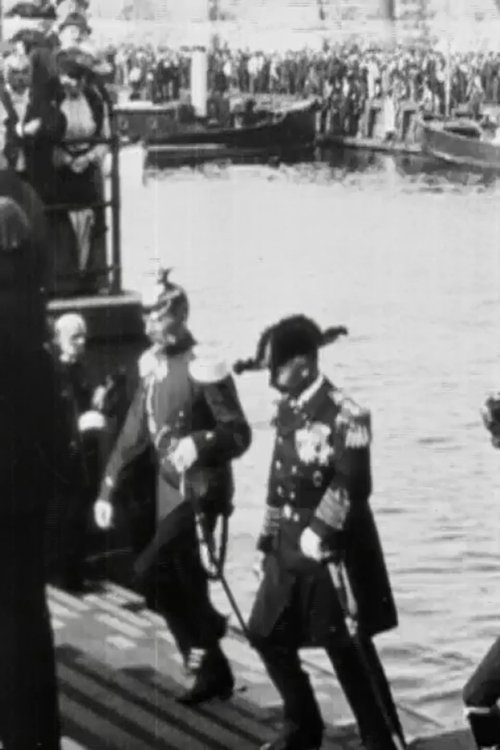
This newsreel serves as a precise archival record of a state diplomatic event. It captures the arrival of Kaiser Wilhelm II through the lens of early 20th-century imperial protocol. The lack of diversity reflects the time period rather than a deliberate exclusion. It focuses on a highly stratified, male-dominated diplomatic world centered around European monarchical power. Ultimately, the film preserves the dignity of the imperial visit and the existing social hierarchies of the Edwardian era.
Category Breakdown
The film does not depict any LGBTQ+ identities or same-sex relationships. The visual style adheres closely to the formal customs of 1905.
The film upholds traditional early 20th-century gender roles. The visuals focus mainly on male figures such as military leaders and imperial officials.
The film portrays a very homogeneous society. All subjects are European royalty and officials, reflecting the era's colonial social structure.
The documentary highlights established Western institutions like monarchy and military traditions. It does not critique Western power, reinforcing the era's status quo.
There are no visible or hidden disabilities shown. The subjects hold high-ranking positions within the imperial hierarchy.
Present on Screen
Limited or Absent
Official Synopsis
The Kaiser was an unpopular guest in Denmark. Both for personal and political reasons, the Danish court did not want to have too close ties to the German Kaiser. But the Kaiser had a habit of inviting himself.
1899

1935
1896

1938
1902
1906

1895
![Movie poster for Count of Montebello and General de Boisdeffre going to the Kremlin [Moscow]](https://image.tmdb.org/t/p/w500/60BnpAieOtriCDrNqqykdVAN0lZ.jpg)
1896
No reviews yet. Be the first to share your thoughts on this movie!
Use the rating form above to leave a star rating and optional review.