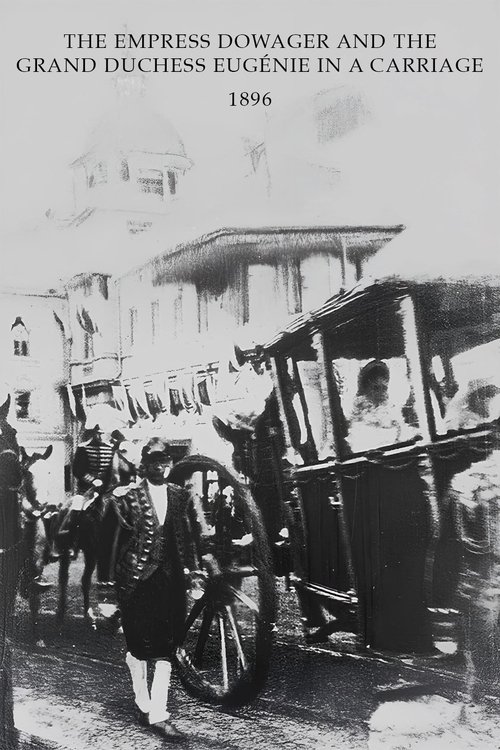
The Empress Dowager and the Grand Duchess Eugénie in a Carriage
1896
No user ratings available yet
Representation score: 0.3 out of 10
Representation Score
Minimal
1896
Director
Francis Doublier
Runtime
1 minutes
Average Rating
No ratings yetNew Showbiz Analysis
This historical footage serves as a visual record of imperial traditions rather than a diverse narrative. It captures the rigid protocols of the Romanov autocracy and the Russian Orthodox Church. The subjects' movements are governed by strict social hierarchies and religious traditions. The film operates as a pure expression of institutional conservatism, documenting a world defined by class structures and the reinforcement of traditional ethnic and gender norms. It offers no subversion of power dynamics or perspectives that reflect multiple aspects of identity. While the footage is an invaluable archival artifact of a major royal ritual, it provides no representation outside the dominant social order of 1896.
Category Breakdown
The footage shows a highly traditional imperial procession with no representation of LGBTQ+ identities or narratives.
The film emphasizes traditional gender roles. The Tsarina is portrayed as a consort, while the Tsar maintains central authority within a patriarchal monarchy.
The subjects are depicted within a strictly Eurocentric and Slavic framework, reflecting the homogeneous demographics of the Russian imperial elite during this time.
The film highlights traditional Orthodox institutions and monarchical stability, focusing on the glorification of the established social and religious order.
There are no specific depictions of disability in this brief documentary footage.
Present on Screen
Limited or Absent
Official Synopsis
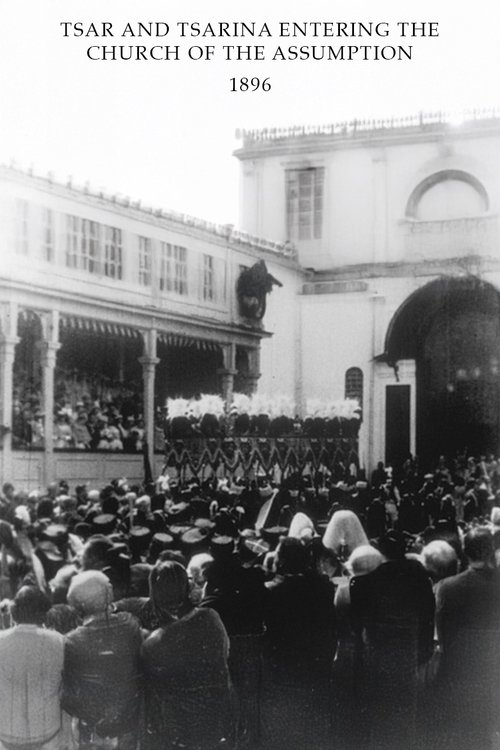
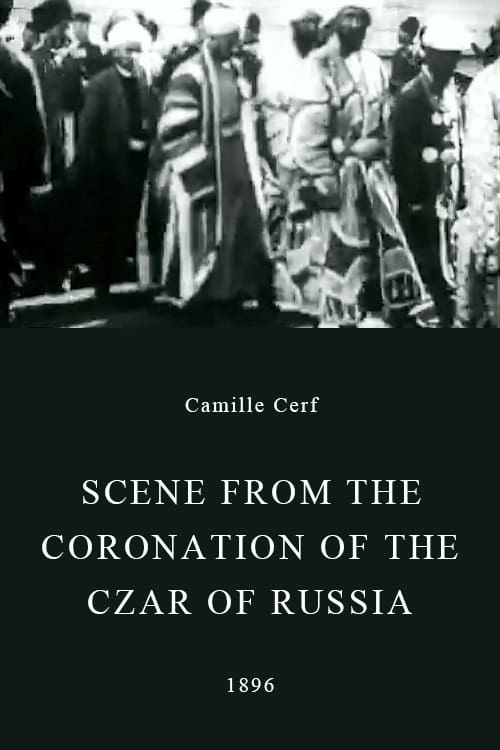
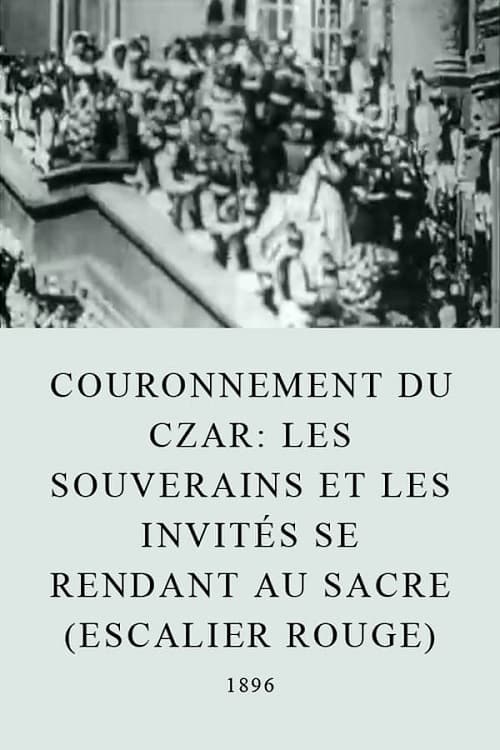
Filmed during the coronation ceremonies of Nicholas II in Moscow in 1896, this short by Lumière operator Francis Doublier shows the imperial procession approaching the Cathedral of the Assumption in the Kremlin. As the crowd advances, a company of guards escorts the imperial dais while the Tsar and Tsarina make their way into the church. An early actuality offering rare moving-image documentation of a major royal ritual.
1896
1896
1896
![Movie poster for Count of Montebello and General de Boisdeffre going to the Kremlin [Moscow]](https://image.tmdb.org/t/p/w500/60BnpAieOtriCDrNqqykdVAN0lZ.jpg)
1896
1896
1896
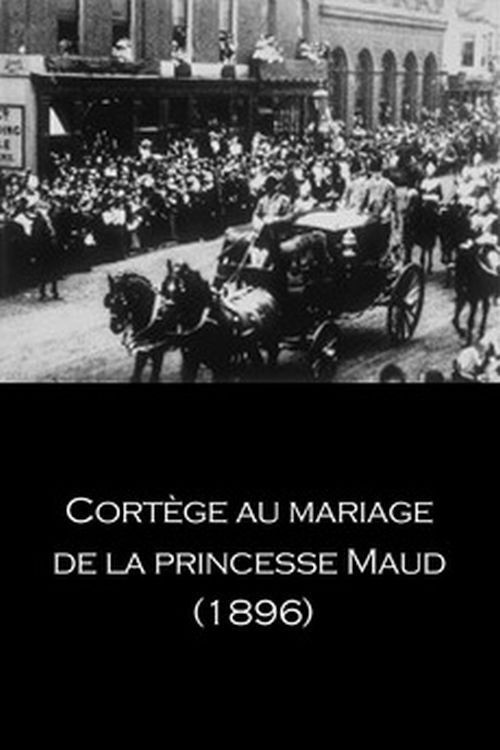
1896
1896
No reviews yet. Be the first to share your thoughts on this movie!
Use the rating form above to leave a star rating and optional review.