
The Night of a Thousand Cats
1972
No user ratings available yet
Representation score: 0.2 out of 10
Representation Score
Limited
1969
PGDirector
David Lowell Rich
Runtime
102 minutes
Average Rating
No ratings yetNew Showbiz Analysis
Eye of the Cat is a conventional 1969 horror film that adheres to the social and representational norms of its time. The narrative relies on traditional archetypes, focusing on a male-driven heist plot and a heterosexual relationship. The film lacks meaningful engagement with diverse identities or systemic critiques. It functions as a standard genre piece where character traits, such as the protagonist's phobia, are used for suspense rather than deep psychological exploration. The production adheres to the homogeneous casting and social hierarchies prevalent in mainstream Western cinema of the late sixties, offering little in the way of diversity or subversion.
Category Breakdown
The story focuses on a heterosexual relationship between a man and his girlfriend. It does not include any representation of LGBTQ+ identities or non-cisgender characters.
A wealthy female aunt holds authority, but the central heist plot is driven by the male protagonist. The film follows traditional gender roles common in 1960s genre cinema.
The narrative centers on a domestic, upper-class setting without any mention of a diverse cast. It appears to follow the homogeneous casting standards of late-1960s Western horror.
Themes are rooted in Western clichés of wealth and inheritance. The plot explores individual greed and personal fears without addressing systemic issues.
The protagonist's intense fear of cats serves as a plot device rather than a nuanced look at mental health. Characters with disabilities do not have significant roles in the story.
Present on Screen
Limited or Absent
Official Synopsis
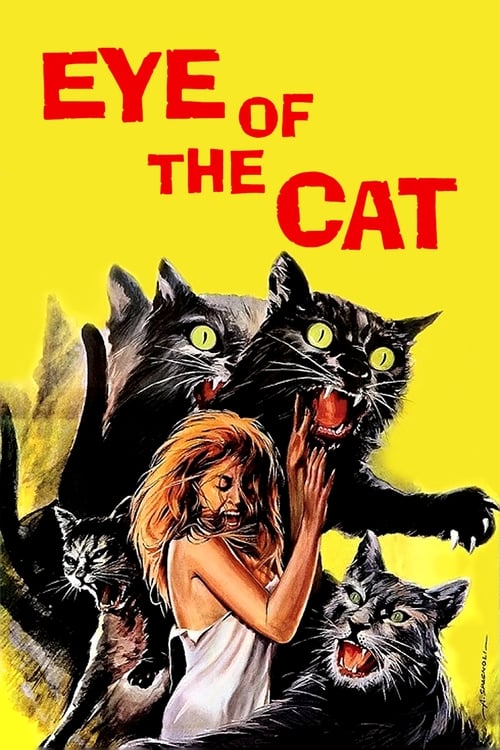
A man and his girlfriend plan to rob the mansion of the man's eccentric but wealthy aunt. However, the aunt keeps dozens of cats in her home, and the man is deathly afraid of cats.
1972
1943
1966
1964
1977

1971
1973
1965
No reviews yet. Be the first to share your thoughts on this movie!
Use the rating form above to leave a star rating and optional review.