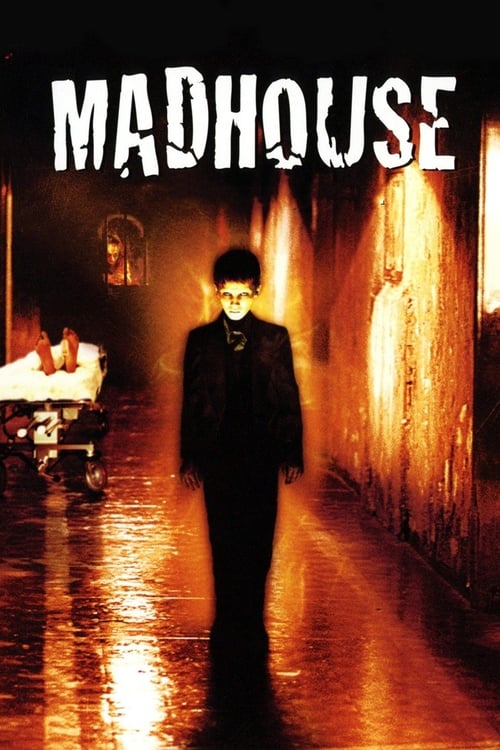
Madhouse
2004
No user ratings available yet
Representation score: 4.1 out of 10

Representation Score
Fair
2007
RDirector
Tony Krantz
Runtime
113 minutes
Average Rating
No ratings yetNew Showbiz Analysis
Sublime operates as a standard psychological thriller that prioritizes atmospheric tension over social critique. The narrative is built around individual trauma and the clichés of medical horror, focusing on a singular protagonist's descent into fear. Because the film adheres to established genre conventions, it lacks intentional subversion of identity politics. The setting and character dynamics remain localized and conventional, offering little in the way of demographic breadth or exploration of multiple identities. Ultimately, the film's focus on individual psychological manifestations means it avoids broader commentary on race, gender, or systemic social structures, maintaining a narrow, character-centric scope.
Category Breakdown
The film does not include explicit LGBTQ+ storylines or character development. Instead, it focuses on the psychological journey of a single character without delving into identity-based themes.
The story centers on the male experience of fear and medical vulnerability. It follows traditional genre expectations without challenging typical gender roles.
The setting seems to be a localized, character-driven study. There is no indication of a diverse cast or the use of actors from different backgrounds to break norms.
The film critiques the failure of institutional care through the cliché of a corrupt hospital. It leans toward individual existentialism rather than socio-political commentary.
The protagonist's medical condition drives the plot and psychological horror. This approach risks using illness merely as a plot device rather than giving the character real control over her situation.
Present on Screen
Limited or Absent
Official Synopsis
Admitted to Mt. Abaddon Hospital for a routine procedure, George Grieves discovers that his condition is much more serious and complicated than originally expected; and as his own fears begin to manifest around him, he learns that Mt. Abaddon is not a place where people come to get better... it is a place where people come to die.
2004
1988
2007

2010
2018
1978
2011

2017
No reviews yet. Be the first to share your thoughts on this movie!
Use the rating form above to leave a star rating and optional review.