
Night Children
1989
No user ratings available yet
Representation score: 2.9 out of 10
Representation Score
Limited
1984
Director
Danny Lee Sau-Yin
Runtime
95 minutes
Average Rating
No ratings yetNew Showbiz Analysis
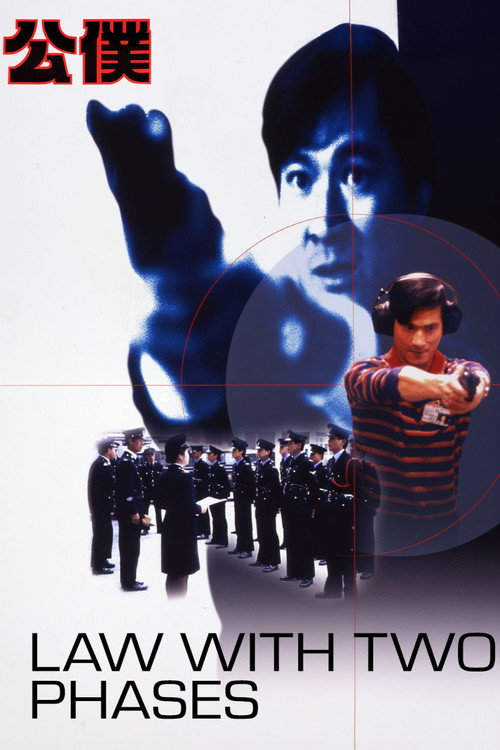
Law with Two Phases is a character-driven crime drama that finds its strength in subverting the archetype of the untouchable hero. By presenting Chief B as a grounded, instinct-driven individual with domestic emotional ties, the film moves away from the stoic, idealized lawman cliché. However, the film remains largely traditional in its demographic makeup. The focus on male-dominated professional spaces and a homogeneous cast reflects the era's cinematic norms, offering little in the way of gender or LGBTQ+ diversity. Ultimately, the film's value lies in its cultural critique of bureaucracy. It champions personal ability to act and situational ethics over the rigid, systemic compliance typically found in police procedurals.
Category Breakdown
The film does not include explicit LGBTQ+ characters or narratives. The story centers on professional mentorship and camaraderie among male officers in a traditional crime drama setting.
The narrative focuses on male-dominated spaces such as the CID. While Chief B's portrayal of masculinity through his domestic life adds nuance, the main ability to act remains with male characters.
The cast is ethnically uniform, reflecting the Hong Kong film industry of the 1980s. It provides a non-Western perspective on law enforcement and social order.
The film critiques rigid institutional authority by centering an unconventional protagonist. Chief B prioritizes personal morality and instinct over strict adherence to formal systems.
There is no evidence regarding the depiction of physical or neurodivergent disabilities in this work.
Present on Screen
Limited or Absent
Official Synopsis
Chief B (Danny Lee) is an unconventional CID member who relies more on instincts rather than by the book to resolve situations. He's a down-to-earth fellow who's a mamma's boy, not too well-educated, and an outstanding member of the CID. Police Officer Kit (Eddie Chan) has just been promoted from the rank-and-file to CID, and at the same time is studying for the test to become an Inspector. Chief B takes him under his wings to investigate numerous gang-related cases. Kit, previously a by-the-book type of police officer, learns a lot from Chief B.
1989
1986
1991
1992

2001
1988
1987
1987
No reviews yet. Be the first to share your thoughts on this movie!
Use the rating form above to leave a star rating and optional review.