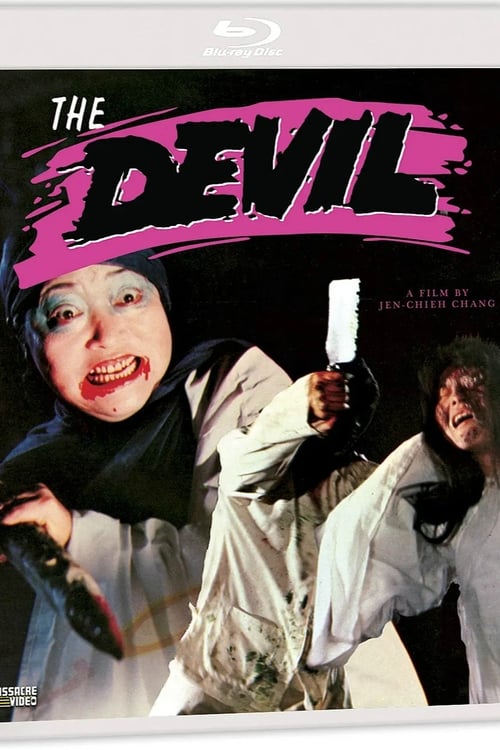
The Devil
1981
No user ratings available yet
Diversity score: 2.5 out of 10
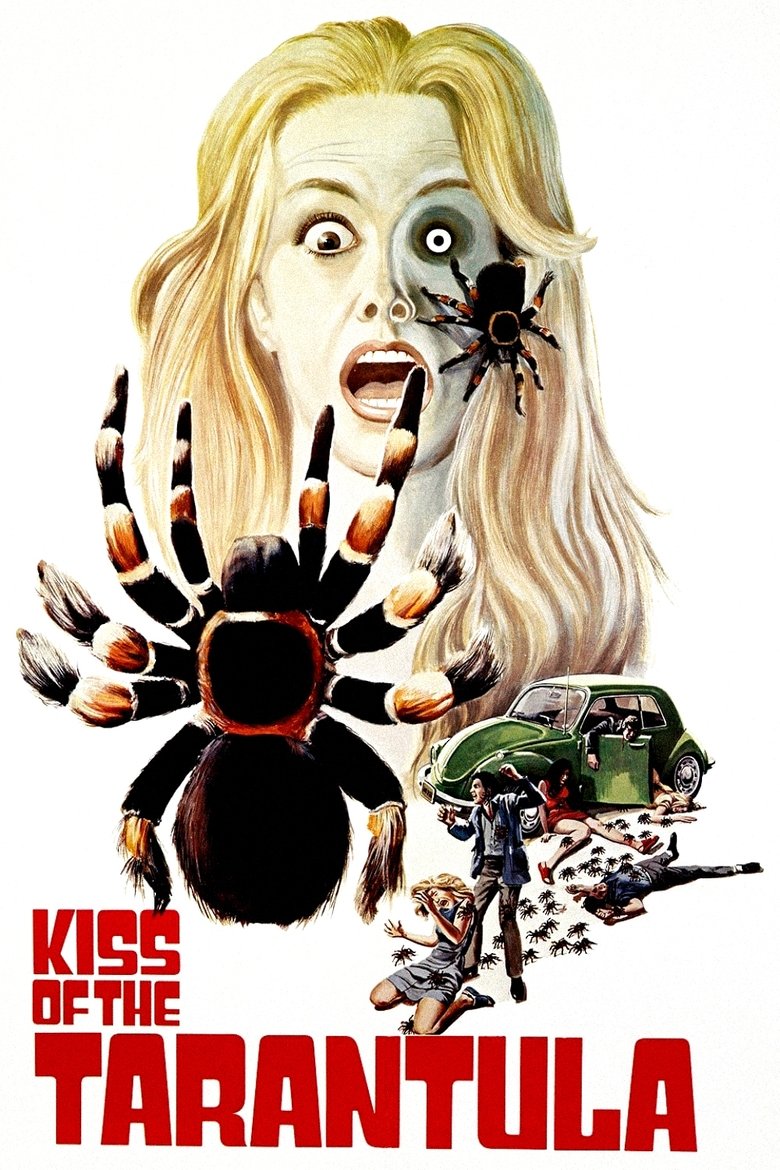
1976
PGDirector
Chris Munger
Runtime
85 minutes
Average Rating
No ratings yetSynopsis
A disturbed teenage girl unleashes her pet tarantula against her "enemies."
Overall Score
Limited
Category Breakdown
LGBTQ+ Representation
The film lacks visible LGBTQ+ characters or narratives. There is no evidence of non-cisnormative identities or same-sex intimacy within the story.
Gender Representation
A female protagonist drives the plot, providing a degree of agency. However, the narrative relies on the 'disturbed' archetype, which often reinforces tropes of feminine instability.
Racial & Ethnic Diversity
The production appears to lack a diverse or non-Anglo-Saxon cast. There is no indication of racial variety among the protagonist's enemies or supporting characters.
Religious & Cultural Diversity
The story focuses on social alienation and interpersonal conflict. It lacks explicit ideological commentary or a critique of specific cultural institutions.
Disability Representation
The protagonist's 'disturbed' nature suggests mental health struggles. It remains unclear if this is a nuanced portrayal or a standard horror trope used for plot progression.
Strengths
Areas for Improvement
AI Analysis
Kiss of the Tarantula is a narrow, character-driven psychological horror that adheres closely to 1970s genre conventions. The narrative centers almost entirely on a single protagonist, which limits the scope for broader social or systemic exploration. While the film provides a female lead with central agency, it does so through a lens of instability that mirrors traditional cinematic tropes. The lack of diverse casting or intersectional identities results in a homogenous viewing experience. Ultimately, the film functions as a psychological character study rather than a work that engages with complex social dynamics or diverse perspectives.
1981
1982
1972

1983
No reviews yet. Be the first to share your thoughts on this movie!
Use the rating form above to leave a star rating and optional review.