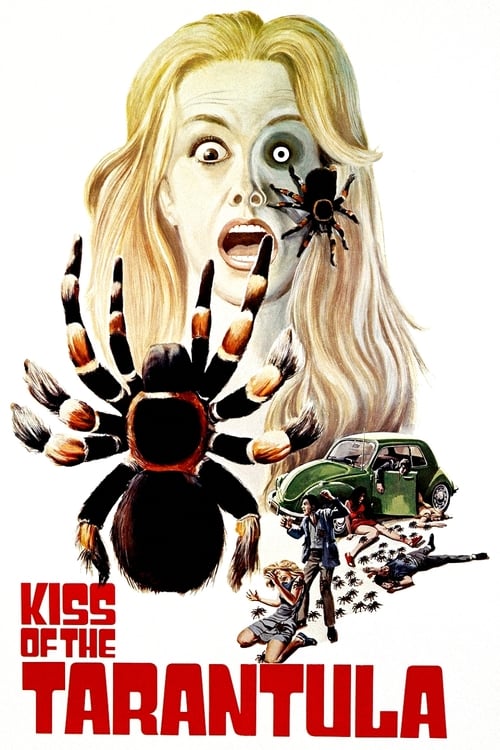
Kiss of the Tarantula
1976
No user ratings available yet
Diversity score: 3.4 out of 10
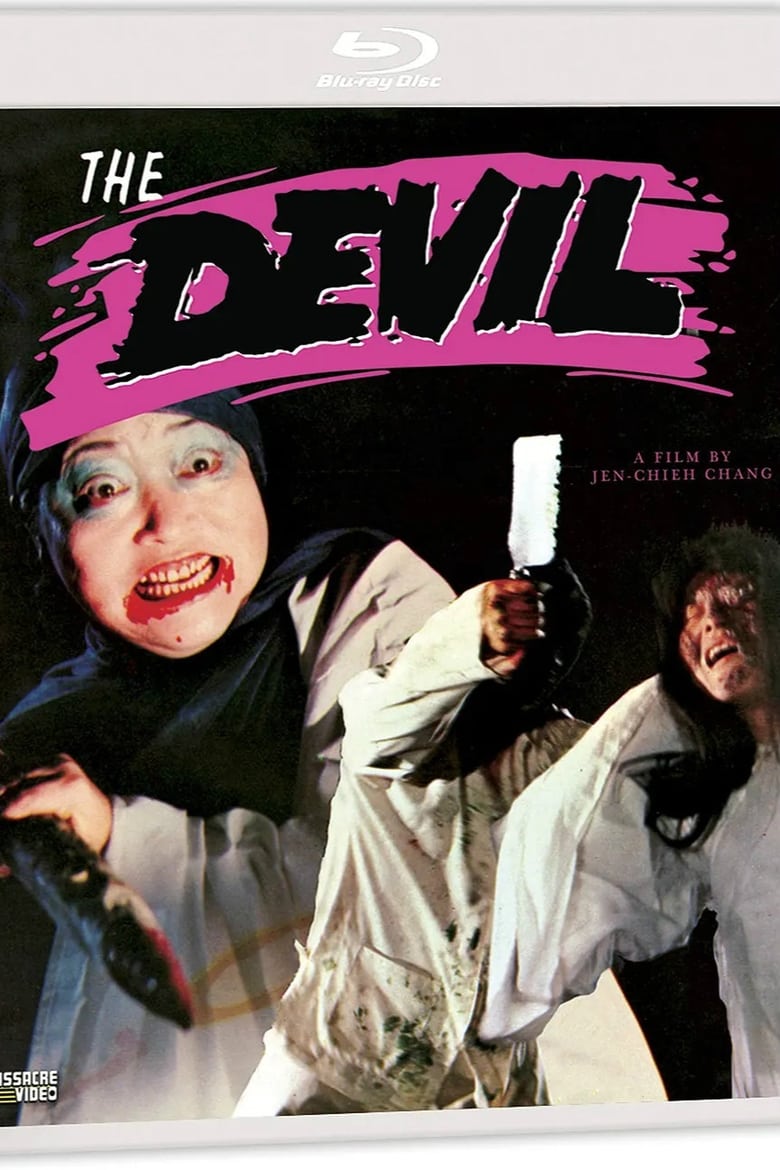
1981
Not RatedDirector
Chang Jen-Chieh
Runtime
86 minutes
Average Rating
No ratings yetSynopsis
A hideously ugly witch casts spells on her victims which turns their insides into snakes and worms.
Overall Score
Limited
Category Breakdown
LGBTQ+ Representation
The film lacks any visible non-cisnormative identities or same-sex intimacy. Character identities remain secondary to the central supernatural threat of the witch.
Gender Representation
A central female antagonist is depicted through the 'monstrous feminine' trope. Her power is framed as grotesque and chaotic, reinforcing traditional gender hierarchies.
Racial & Ethnic Diversity
The ensemble lacks visible intersectional diversity. The film appears to rely on standard horror casting typical of its era and genre.
Religious & Cultural Diversity
The story follows a traditional morality framework centered on physical corruption. It lacks any significant sociopolitical or secularist critique.
Disability Representation
Physical deformity and biological corruption serve as primary tools of terror. The film uses ugliness as a signifier of evil rather than portraying disability with dignity.
Strengths
Areas for Improvement
AI Analysis
The Devil (1981) functions as a standard genre piece that prioritizes horror tropes over progressive representation. It relies heavily on established cinematic archetypes that reinforce social hierarchies rather than challenging them. The film utilizes the grotesque and the monstrous to drive its narrative. By framing female agency and physical difference through the lens of horror, it adheres to regressive storytelling patterns. Ultimately, the work lacks intersectional depth, focusing instead on traditional themes of bodily integrity and moral consequence.
1976
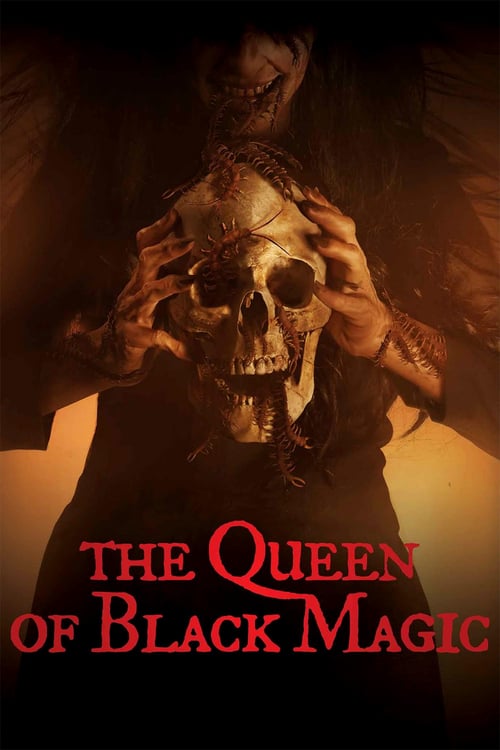
2019
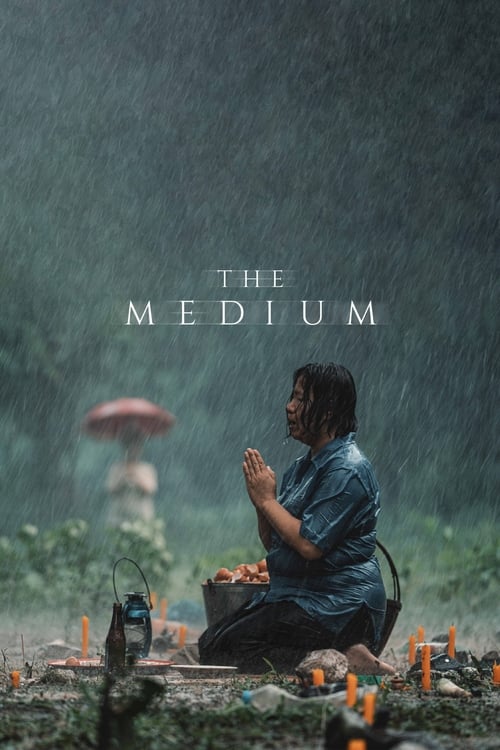
2021
2015
1982
1985

1982
No reviews yet. Be the first to share your thoughts on this movie!
Use the rating form above to leave a star rating and optional review.