Chillerama
2011
No user ratings available yet
Diversity score: 3.0 out of 10
2016
Not RatedDirector
Anthony Scott Burns, Nicholas McCarthy, Adam Egypt Mortimer, Gary Shore, Kevin Smith, Sarah Adina Smith, Scott Stewart, Kevin Kölsch, Dennis Widmyer
Runtime
104 minutes
Average Rating
No ratings yetSynopsis
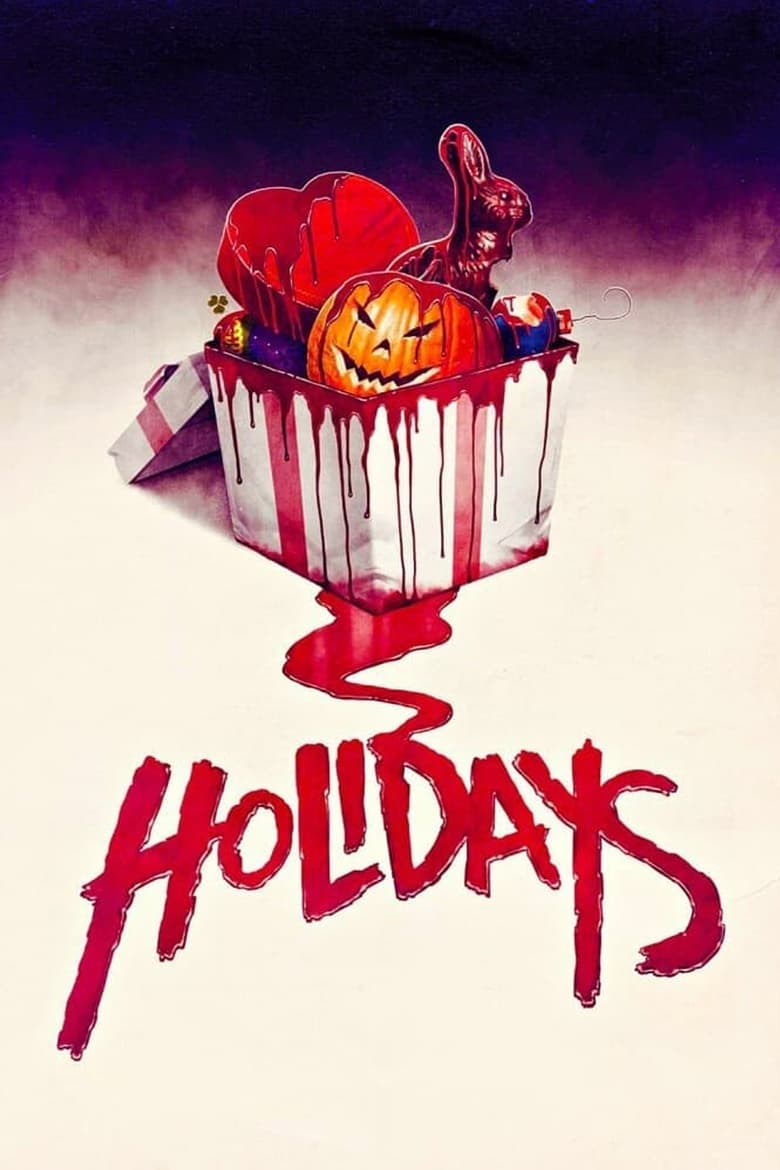
An anthology feature film that puts a uniquely dark and original spin on some of the most iconic and beloved holidays of all time by challenging our folklore, traditions and assumptions.
Overall Score
Fair
Category Breakdown
LGBTQ+ Representation
The film exhibits a near-total absence of LGBTQ+ visibility across all segments. No characters identify as queer, and romantic dynamics remain strictly heterosexual. This silence reinforces traditional social norms without offering narrative space for queer identities or critiques of heteronormativity.
Gender Representation
Gender dynamics vary by director. Kevin Smith’s segment mildly subverts masculinity by portraying an inept father and competent mother. However, other entries often relegate women to victims of supernatural violence or objects of male paranoia, tethering the film to traditional horror archetypes rather than critiquing gender roles.
Racial & Ethnic Diversity
Sarah Adina Smith’s segment features Lily Gladstone in a lead role rooted in Indigenous folklore, providing respectful, central representation. In contrast, other segments feature predominantly white casts. The Halloween segment includes a racially diverse group, but race remains incidental rather than a narrative focus.
Religious & Cultural Diversity
Cultural engagement is largely superficial, relying on holiday stereotypes. While Smith’s segment critiques consumerism, it lacks systemic depth. The Indigenous segment uses a magical realist lens that may exoticize beliefs, while others rely on ethnic clichés. The film uses holidays as backdrops for conventional horror rather than deep cultural critique.
Disability Representation
Disability is not a significant theme, with no meaningful roles for characters with visible or invisible disabilities. The film fails to address neurodivergence or mental health beyond general horror trauma. This absence leaves a significant aspect of human experience unexplored, reinforcing the able-bodied norm.
Strengths
Areas for Improvement
AI Analysis
Holidays (2016) operates as a fragmented anthology where representation is inconsistent across its five distinct segments. The film’s diversity profile is defined by a stark contrast between its most culturally significant entry and its more conventional, traditionalist stories. While it avoids overtly harmful stereotypes, it largely adheres to established genre tropes, treating representation as background texture rather than a central narrative driver. The inclusion of Indigenous perspectives in Sarah Adina Smith’s segment provides the film’s only substantial engagement with intersectional identity. This portrayal is respectful and integral to the plot, avoiding tokenism. However, this strength is isolated within a single story, preventing a cohesive progressive narrative architecture across the feature. The rest of the anthology relies on familiar horror tropes that reinforce traditional social norms. The absence of LGBTQ+ visibility and disability representation further limits the film’s progressive potential. Gender dynamics are mixed, with some segments offering mild subversions while others reinforce traditional hierarchies. Ultimately, the film represents a moderate level of inclusion where diversity is present but not central to the narrative structure, resulting in a score that reflects its inconsistent approach to representation.
2011
2007
2018
2006
2019
2017
1991
2021
2017
2007
2020
2015
No reviews yet. Be the first to share your thoughts on this movie!
Use the rating form above to leave a star rating and optional review.