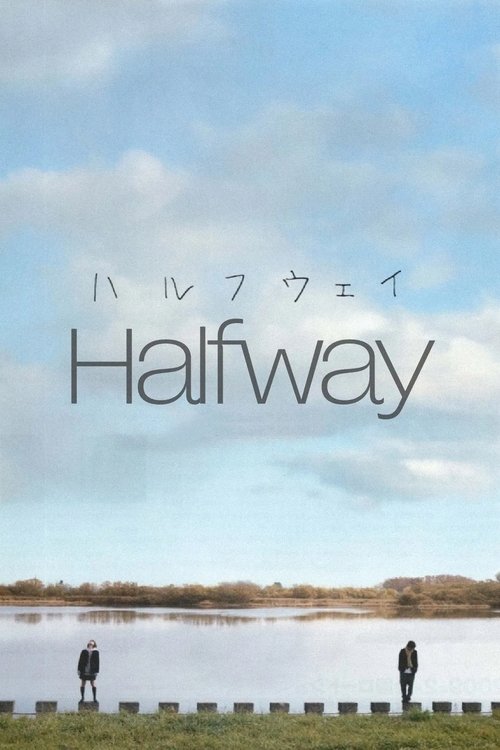
Halfway
2009
No user ratings available yet
Representation score: 2.0 out of 10

Representation Score
Good
1993
Director
Shunji Iwai
Runtime
50 minutes
Average Rating
No ratings yetNew Showbiz Analysis
Shunji Iwai’s work excels in intellectual sophistication, using a non-linear structure to explore subjectivity and the fragmentation of identity. The film questions objective truth through its central metaphor of the fireworks. However, the film is demographically narrow. It adheres to traditional social milieus, resulting in low scores for racial and LGBTQ+ representation. The narrative remains rooted in a specific, homogeneous Japanese context. Ultimately, the film prioritizes psychological depth over demographic breadth. It succeeds in deconstructing domestic stability and objective reality, even if it lacks diverse representation across identity markers.
Category Breakdown
The film examines adolescent desires and relationships among sixth-grade students but does not explicitly focus on LGBTQ+ identities or challenge assumptions about straight relationships.
Nazuna plays a significant role in driving the narrative tension through her emotional responses to family instability. The film offers a nuanced portrayal of women's ability to drive the story within its character studies.
The cast and setting are ethnically uniform, reflecting a localized Japanese coastal town. It presents a culturally specific experience rather than a multicultural tapestry.
The story challenges the idealized nuclear family by showing domestic turbulence and parental separation. Its non-linear structure promotes a sense of perceptual and moral relativism.
The narrative centers on typical adolescent developmental challenges. There is no prominent depiction of physical, sensory, or neurodivergent disabilities as central thematic elements.
Present on Screen
Limited or Absent
Official Synopsis
One summer day, a group of sixth-grade boys have an argument about whether fireworks are round or flat when viewed from different angles and embark on a journey for the answer during the annual firework festival. Meanwhile, one of their classmates, Nazuna, is troubled by her parents' separation and decides to choose one of the boys to run away with.
2009

1970
2006

1998

2006
1985
2003
2005
No reviews yet. Be the first to share your thoughts on this movie!
Use the rating form above to leave a star rating and optional review.